Acetaldehyde → 3-(1-Hydroxyethyl)-camphor
Reaction equation

C(NC(C)C)(C)C.[C:8]12([CH3:18])[C:15]([CH3:17])([CH3:16])[CH:12]([CH2:13][CH2:14]1)[CH2:11][C:9]2=[O:10].[CH:19](=[O:21])[CH3:20].C(=O)([O-])O.[Na+]>C1COCC1.CCCCCC>[OH:21][CH:19]([CH:11]1[CH:12]2[C:15]([CH3:17])([CH3:16])[C:8]([CH3:18])([CH2:14][CH2:13]2)[C:9]1=[O:10])[CH3:20]Participants
Reactant 4
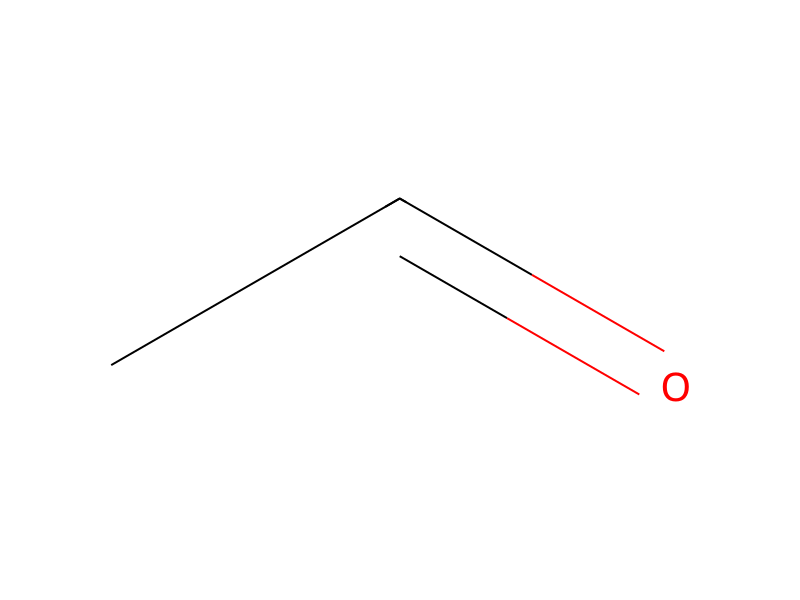



Product 1

Reagents, catalysts & solvents 2


Procedure
2.50 ml of 2.5 M n-butylithium hexane solution was added dropwise a tetrahydrofuran solution comprising 4 ml THF and 1.00 ml diisopropylamine at −78° C. and the mixture was stirred for 15 minutes. Then, a THF solution comprising 4 ml THF and 0.91 g camphor was added dropwise to the above solution at −78° C., then the solution was further admixed with 0.27 g of acetaldehyde and stirred for 15 minutes. This reaction solution was admixed with 50 ml of a saturated sodium hydrogen carbonate aqueous solution and restored to room temperature. The reaction product was extracted with diethylether. The organic layer was washed with saturated brine, dried with anhydrous sodium sulfate and then the solvent was removed under a vacuum. The residue was purified by means of silica gel column chromatography (eluent: hexane/ethylacetate=8/2) and 0.94 g of 3-(1-hydroxyethyl)-camphor was obtained (yield: 80%).
Workup
- customat −78° C.
- additionwas added dropwise to the above solution at −78° C.
- stirringstirred for 15 minutes
- customrestored to room temperature
- extractionThe reaction product was extracted with diethylether
- washThe organic layer was washed with saturated brine
- dry with materialdried with anhydrous sodium sulfate
- customthe solvent was removed under a vacuum
- customThe residue was purified by means of silica gel column chromatography (eluent: hexane/ethylacetate=8/2)
Sources & evidence
- ORD record
- ord-0c7d1886336f453c943d3a80d22616a8
- Source dataset
- uspto-grants-2004_01
- Patent number
- US06677384B1
Reaction notes
Loading…