Hydrochloric Acid → 2-Bromo-1-(4-fluorophenyl)-2-phenylethanone
Reaction equation

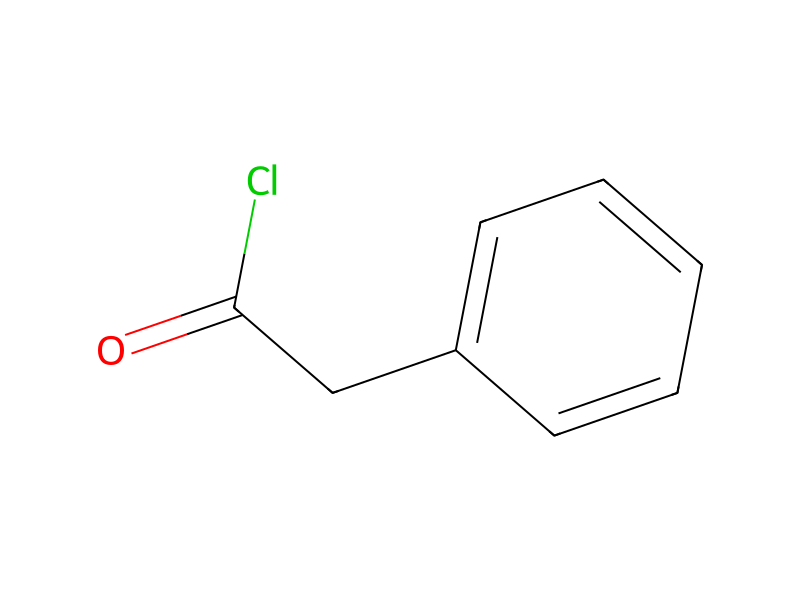
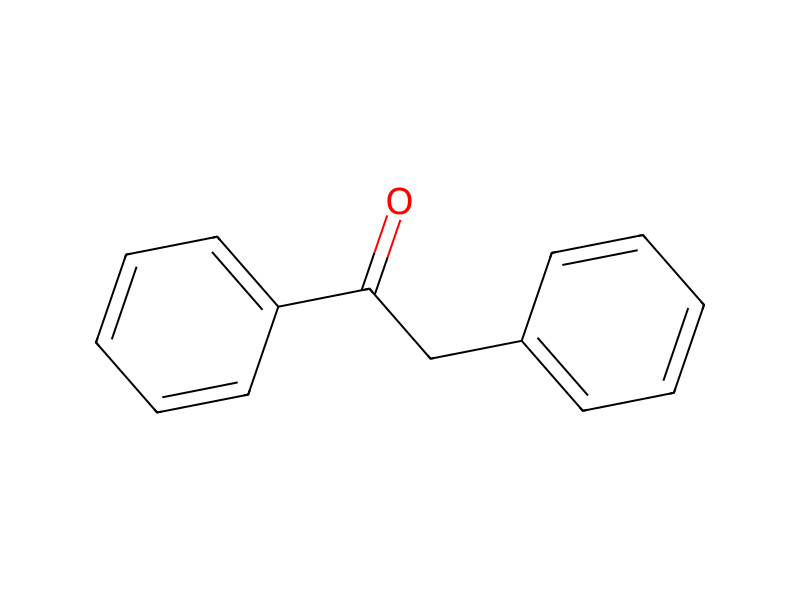
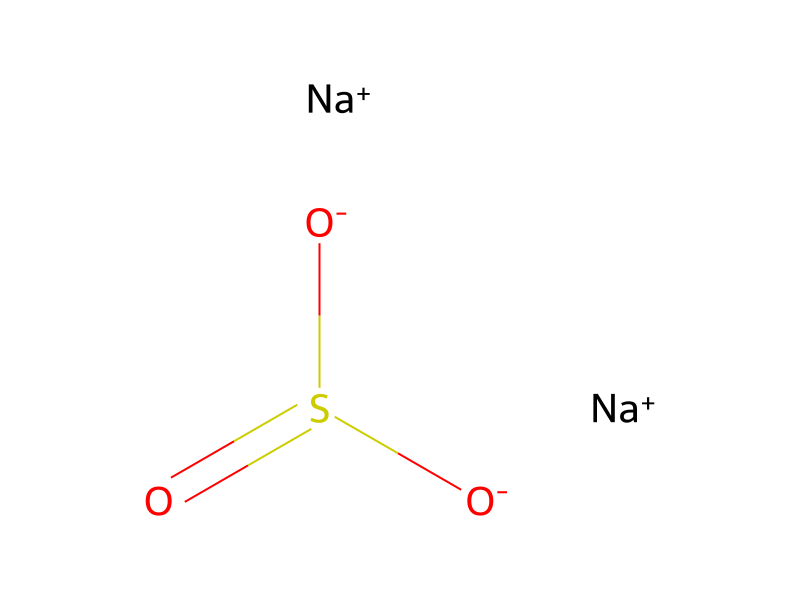
FC1C=CC=CC=1.[Cl-].[Al+3].[Cl-].[Cl-].C1(CC(Cl)=O)C=CC=CC=1.[F:22][C:23]1[CH:28]=[CH:27][C:26]([C:29](=[O:37])[CH2:30][C:31]2[CH:36]=[CH:35][CH:34]=[CH:33][CH:32]=2)=[CH:25][CH:24]=1.C1(C(CC2C=CC=CC=2)=O)C=CC=CC=1.Cl.[Br:54]Br.S([O-])([O-])=O.[Na+].[Na+]>C(Cl)Cl.O>[Br:54][CH:30]([C:31]1[CH:32]=[CH:33][CH:34]=[CH:35][CH:36]=1)[C:29]([C:26]1[CH:25]=[CH:24][C:23]([F:22])=[CH:28][CH:27]=1)=[O:37]Participants
Reactant 8





Product 1

Reagents, catalysts & solvents 2


Conditions
- Temperature
- 0 °C
Procedure
Fluorobenzene (100 g, 1.04 mol) is taken in a clean and dry 4 necked RB flask equipped with mechanical stirring rod, pressure equalization funnel, N2 inlet and a CaCl2 guard tube. The contents of the flask are cooled to 0° C. in an ice bath under a stream of N2 gas. 103 g (1.54 mol) of powdered aluminum chloride are added into the flask under stirring. The contents of the flask are further cooled to −10° C. by adding common salt to ice bath. Phenyl acetyl chloride (110.75 g, 1.43 mol) is placed in the pressure equalization funnel fitted to the flask and added drop wise manner in 2-2½ hours, while maintaining the temperature of the reaction between −10° to 0° C. After the addition the reaction is maintained for a further period of 2 hours between −10° to 0° C. In process sample of reaction mixture showed the area % of 1-(4-Fluorophenyl)-2-phenyl ethanone by HPLC as 99.02% and deoxy benzoin content as nil. The reaction mixture is then poured slowly into a mixture of ice (300 g), water (300 ml) and Conc.hydrochloric acid (30 ml) while maintain the temperature between −10 to 5° C. the contents are stirred for ½ hr at this temperature. The solid thus obtained is dissolved in methylene chloride (1.0 L) and separated the organic phase. The aqueous phase is extracted with methylene chloride (500 ml).The combined methylene chloride extract is sequentially washed with 5% aqueous sodium bicarbonate (600 ml), water (600 ml) and 5% sodium chloride (400 ml). The methylene chloride extract is then transferred into a 4 necked RB flask equipped with mechanical strring rod, pressure equalization funnel and a CaCl2 guard tube. 4 ml of a 30% hydrobromic acid in acetic acid is then added, followed by gradual addition of a cold solution of bromine 109 g, 0.68 mole) in 200 ml of methylene chloride at 26±2° C. Bromine solution is added in such a manner that it is consumed instantly as indicated by colouration of reaction mixture. After addition of bromine solution the reaction mixture is cooled to 19±1° C., treated with 5% aqueous sodium sulphite (400 ml) and stirred for about lhr at 21.5±3.5° C. The organic layer is then separated and is subjected to the above operation twice with 5% aqueous sodium sulphite (2×400 ml). The organic layer is stirred with 5% aqueous sodium bicarbonate (400 ml) for about 1 hr at 21.5±3.5° C. and separated. The organic layer is finally stirred with 5% aqueous sodium chloride(400 ml) and separated. The organic layer is dried over sodium sulphate and filtered. Methylene chloride is removed by distillation and the syrup thus obtained solidified on standing in to a pale orange coloured solid. Yield 183 g (85.9%)
Workup
- customdry 4 necked RB flask
- customequipped with mechanical stirring rod, pressure equalization funnel, N2 inlet and a CaCl2 guard tube
- temperatureThe contents of the flask are further cooled to −10° C.
- additionby adding common salt to ice bath
- customfitted to the flask
- additionadded drop wise manner in 2-2½ hours
- temperaturewhile maintaining
- customthe temperature of the reaction between −10° to 0° C
- additionAfter the addition the reaction
- temperatureis maintained for a further period of 2 hours between −10° to 0° C
- customIn process sample of reaction mixture
- stirringare stirred for ½ hr at this temperature
- customThe solid thus obtained
- customseparated the organic phase
- extractionThe aqueous phase is extracted with methylene chloride (500 ml).The combined methylene chloride
- extractionextract
- washis sequentially washed with 5% aqueous sodium bicarbonate (600 ml), water (600 ml) and 5% sodium chloride (400 ml)
- extractionThe methylene chloride extract
- customequipped with mechanical strring rod, pressure equalization funnel and a CaCl2 guard tube
- addition4 ml of a 30% hydrobromic acid in acetic acid is then added
- customis consumed instantly
- customas indicated by colouration of reaction mixture
- temperatureis cooled to 19±1° C.
- stirringstirred for about lhr at 21.5±3.5° C
- customThe organic layer is then separated
- stirringThe organic layer is stirred with 5% aqueous sodium bicarbonate (400 ml) for about 1 hr at 21.5±3.5° C.
- customseparated
- stirringThe organic layer is finally stirred with 5% aqueous sodium chloride(400 ml)
- customseparated
- dry with materialThe organic layer is dried over sodium sulphate
- filtrationfiltered
- customMethylene chloride is removed by distillation
- customthe syrup thus obtained
Sources & evidence
- ORD record
- ord-fa93bd3eba14415aa9ae636bf3d222d8
- Source dataset
- uspto-grants-2015_02
- Patent number
- US08946479B2
Reaction notes
Loading…