Sodium hydride → HCID 68590745, compound
Reaction equation

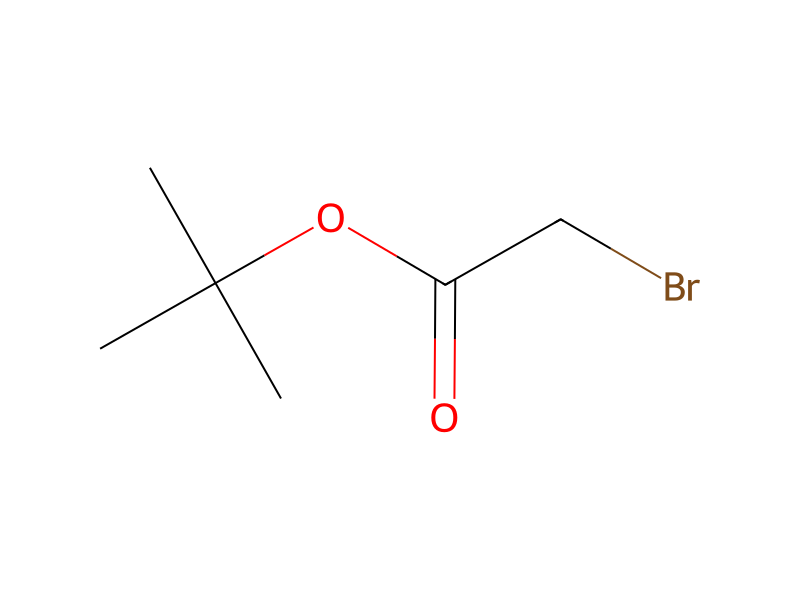
[H-].[Na+].[Cl:3][C:4]1[CH:9]=[CH:8][C:7]([C:10]2[CH:11]=[C:12]3[C:17](=[CH:18][C:19]=2[O:20][CH3:21])[NH:16][C:15](=[O:22])[CH2:14][CH2:13]3)=[CH:6][CH:5]=1.Br[CH2:24][C:25]([O:27][C:28]([CH3:31])([CH3:30])[CH3:29])=[O:26]>CN(C)C=O>[Cl:3][C:4]1[CH:5]=[CH:6][C:7]([C:10]2[CH:11]=[C:12]3[C:17](=[CH:18][C:19]=2[O:20][CH3:21])[N:16]([CH2:24][C:25]([O:27][C:28]([CH3:31])([CH3:30])[CH3:29])=[O:26])[C:15](=[O:22])[CH2:14][CH2:13]3)=[CH:8][CH:9]=1Participants
Reactant 3


Product 1

Reagents, catalysts & solvents 1

Procedure
To a mixture of 95% dry sodium hydride (24 mg, 1.00 mmol) in anhydrous N,N-dimethylformamide (8 mL) at room temperature was added a solution of 6-(4-chlorophenyl)-7-methoxy-3,4-dihydroquinolin-2(1H)-one (7) (110 mg, 0.38 mmol) in N,N-dimethylformamide. The reaction mixture was stirred for 30 minutes under an atmosphere of dry N2, followed by addition of a solution of tert-butyl bromoacetate (390 mg, 2.00 mmol) in N,N-dimethylformamide (2 mL). The reaction mixture was stirred at room temperature until majority of the starting material was converted (as shown by LCMS), then it was quenched by addition of methanol (10 mL). The mixture was concentrated under reduced pressure, anhydrous toluene (10 mL) was added to the residue, and the solvent removed under reduced pressure, to afford crude (tert-butyl 2-(6-(4-chlorophenyl)-7-methoxy-2-oxo-3,4-dihydroquinolin-1 (2H)-yl)acetate).
Workup
- stirringThe reaction mixture was stirred at room temperature until majority of the starting material
- customit was quenched by addition of methanol (10 mL)
- concentrationThe mixture was concentrated under reduced pressure, anhydrous toluene (10 mL)
- additionwas added to the residue
- customthe solvent removed under reduced pressure
Sources & evidence
- ORD record
- ord-8fda1433903f4f0b85c0f77e855370d7
- Source dataset
- uspto-grants-2015_02
- Patent number
- US08952007B2
Reaction notes
Loading…