Potassium Carbonate → HCID 57960268, compound
Reaction equation

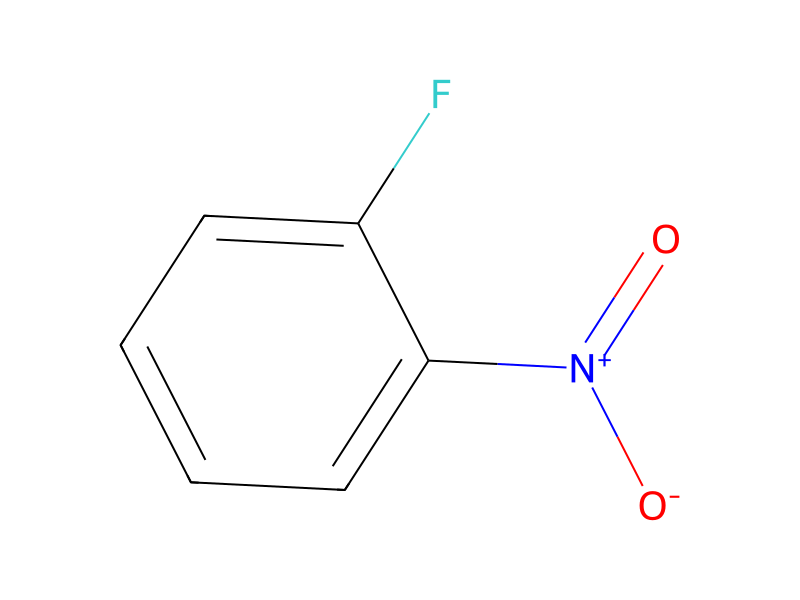
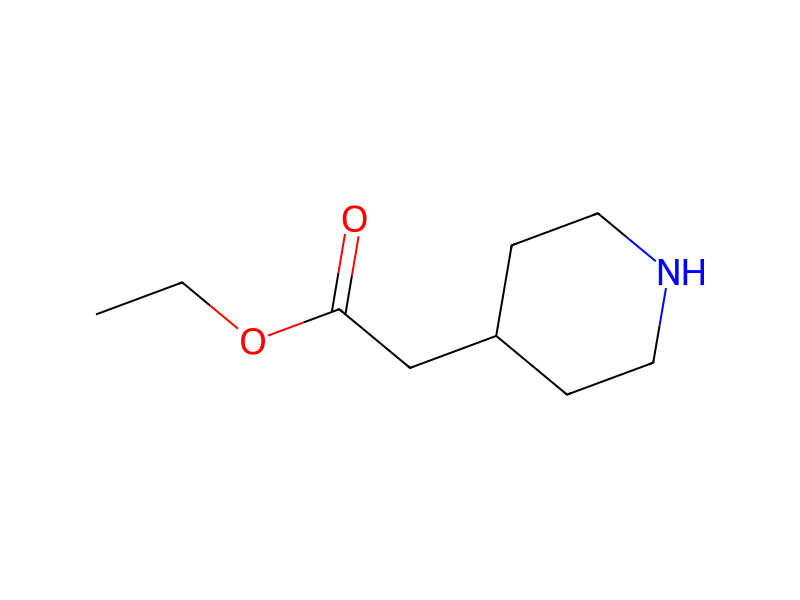
[N+:1]([C:4]1[CH:9]=[CH:8][CH:7]=[CH:6][C:5]=1F)([O-:3])=[O:2].[CH2:11]([O:13][C:14](=[O:22])[CH2:15][CH:16]1[CH2:21][CH2:20][NH:19][CH2:18][CH2:17]1)[CH3:12].C(=O)([O-])[O-].[K+].[K+]>CN(C)C=O.O>[CH2:11]([O:13][C:14](=[O:22])[CH2:15][CH:16]1[CH2:21][CH2:20][N:19]([C:5]2[CH:6]=[CH:7][CH:8]=[CH:9][C:4]=2[N+:1]([O-:3])=[O:2])[CH2:18][CH2:17]1)[CH3:12]Participants
6




Procedure
To a solution of 1.00 g (7.09 mmol) of 2-nitrofluorobenzene in N,N-dimethylformamide (50 mL) is added 1.3 g (7.6 mmol) of 2-(piperdin-4-yl)-acetic acid ethyl ester followed by 1.0 g (7.2 mmol) of potassium carbonate. The mixture is stirred at room temperature for 2 hours. The mixture is diluted with water and washed with ethyl acetate. The combined organic phase is washed with water followed by brine then dried over anhydrous sodium sulfate and concentrated under reduced pressure. The residue is purified by flash silica gel chromatography to provide 1.85 g (89%) of [1-(2-nitro-phenyl)-piperidin-4-yl]-acetic acid ethyl ester as an orange oil.
Workup
- washwashed with ethyl acetate
- washThe combined organic phase is washed with water
- dry with materialthen dried over anhydrous sodium sulfate
- concentrationconcentrated under reduced pressure
- customThe residue is purified by flash silica gel chromatography
Sources & evidence
- ORD record
- ord-7757c66cca814956ad642148f24f9466
- Source dataset
- uspto-grants-2015_02
- Patent number
- US08952004B2
Reaction notes
Loading…