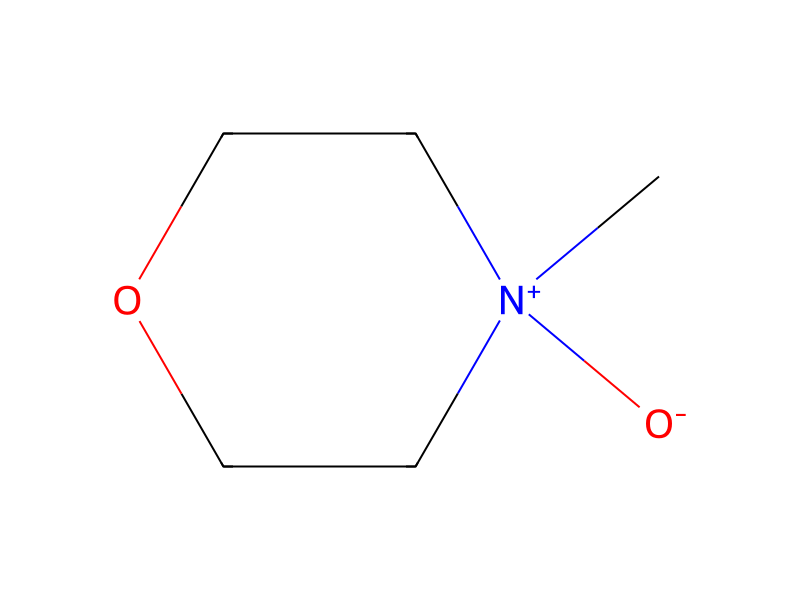
Methyl morpholine oxide → 1-(2,3-Dihydroxypropyl)-7-methoxyquinoxalin-2(1H)-one
Reaction equation

[CH3:1][O:2][C:3]1[CH:12]=[C:11]2[C:6]([N:7]=[CH:8][C:9](=[O:16])[N:10]2CC=C)=[CH:5][CH:4]=1.C[N+]1([O-])CC[O:21]CC1.O1CCCC1.O.[CH3:31][C:32]([CH3:34])=[O:33]>C(OCC)(=O)C.[Os](=O)(=O)(=O)=O>[OH:33][CH:32]([CH2:34][OH:21])[CH2:31][N:10]1[C:11]2[C:6](=[CH:5][CH:4]=[C:3]([O:2][CH3:1])[CH:12]=2)[N:7]=[CH:8][C:9]1=[O:16]Participants
Reactant 3


Product 1

Reagents, catalysts & solvents 2


Procedure
7-Methoxy-1-(2-propen-1-yl)quinoxalin-2(1H)-one (synthesized with reference to WO2008/9700; 2.77 g, 12.82 mmol) was dissolved in a mixed solvent (100 ml) of tetrahydrofuran/water/acetone (2:1:2). N-methylmorpholineoxide (3.47 g, 25.64 mmol) was added to this solution under cooling on ice and a 4% aqueous solution of osmium tetroxide (1.6 ml, 0.256 mmol) was subsequently added. The reaction solution was stirred for 2 days while the temperature was raised to room temperature. The reaction solution was diluted with ethyl acetate and washed with saturated sodium bicarbonate water and saturated sodium chloride solution. The organic layer was dried over anhydrous sodium sulfate and the solvent was removed under reduced pressure to yield 3.16 g (99%) of the title compound in the form of a brown oily product.
Workup
- temperatureunder cooling on ice
- washwashed with saturated sodium bicarbonate water and saturated sodium chloride solution
- dry with materialThe organic layer was dried over anhydrous sodium sulfate
- customthe solvent was removed under reduced pressure
Sources & evidence
- ORD record
- ord-ec7f3d046d9241bca7d8316e11ac9adf
- Source dataset
- uspto-grants-2015_02
- Patent number
- US08952010B2
Reaction notes
Loading…