Bromine → 2,3-Dibromo-5-fluoropyridine
Reaction equation

[Br:1][C:2]1[C:3](N)=[N:4][CH:5]=[C:6]([F:8])[CH:7]=1.[Br:10]Br.N([O-])=O.[Na+].S([O-])([O-])=O.[Na+].[Na+]>Br.O>[Br:10][C:3]1[C:2]([Br:1])=[CH:7][C:6]([F:8])=[CH:5][N:4]=1Participants

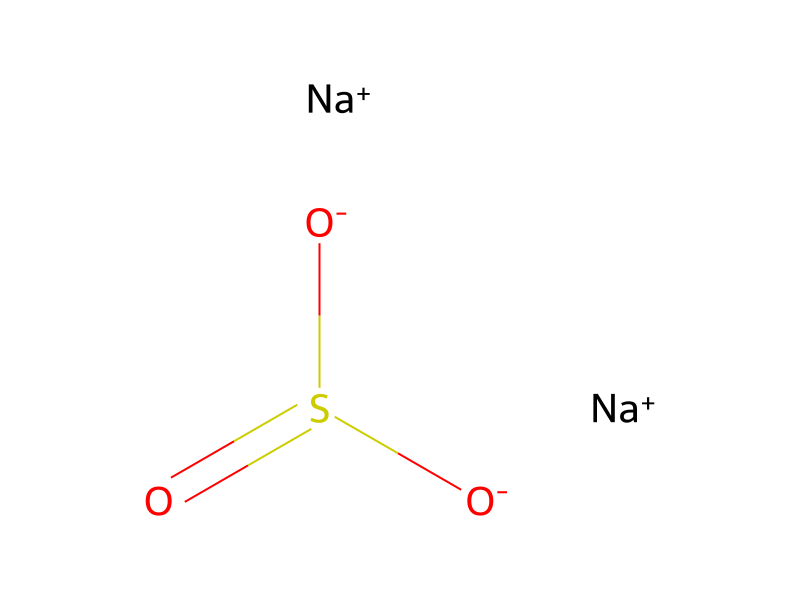





Conditions
- Temperature
- -5 °C
Procedure
At 60° C., 3-bromo-5-fluoro-pyridin-2-ylamine (56) (1.91 g, 0.01 mol) was dissolved in 48% hydrobromic acid (30 mL). After cooling to −5° C., bromine (3.24 g, 0.02 mol) was added dropwise over 5 min. A solution of sodium nitrite (1.01 g, 0.02 mol) in water (3 mL) was then added at a rate to keep the temperature of the reaction mixture between −5° C. and 0° C. When finished, the temperature was allowed to reach 25° C. The bromine was reduced with an excess of solid sodium sulfite, and the reaction mixture was extracted with EtOAc (3×50 mL). The combined organic extracts were washed with water (30 mL), brine (30 mL), dried over Na2SO4 and filtered. The filtrate was evaporated in vacuo and the residue was purified by flash column chromatography on silica gel (10% to 20% EtOAc in petroleum ether) to give 2,3-dibromo-5-fluoro-pyridine (57) (1.27 g, 5.0 mmol, 50% yield) as a yellow solid.
Workup
- customthe temperature of the reaction mixture between −5° C. and 0° C
- customto reach 25° C
- extractionthe reaction mixture was extracted with EtOAc (3×50 mL)
- washThe combined organic extracts were washed with water (30 mL), brine (30 mL)
- dry with materialdried over Na2SO4
- filtrationfiltered
- customThe filtrate was evaporated in vacuo
- customthe residue was purified by flash column chromatography on silica gel (10% to 20% EtOAc in petroleum ether)
Sources & evidence
- ORD record
- ord-e052fe1a87f7440c8a00802d8bb69787
- Source dataset
- uspto-grants-2015_02
- Patent number
- US08957073B2
Reaction notes
Loading…