Hydrochloric Acid → 2-Bromo-6-iodopyridin-3-ol
Reaction equation

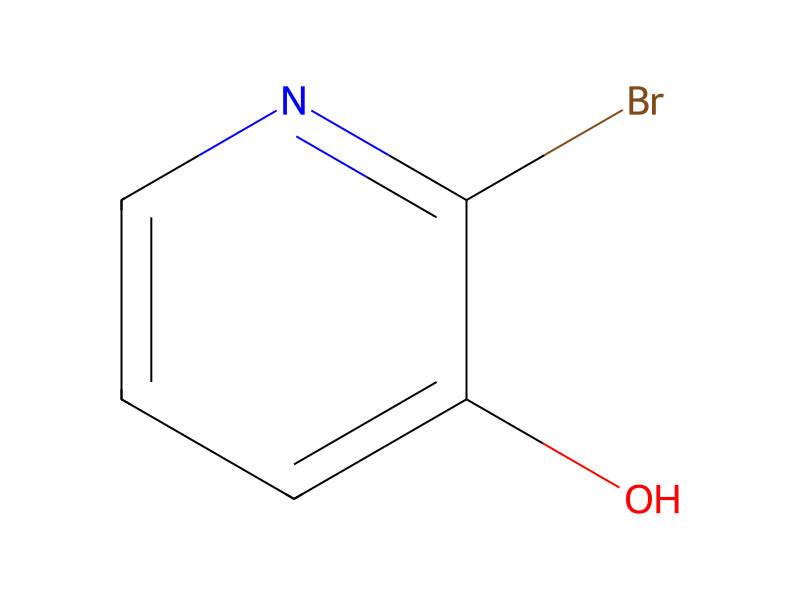
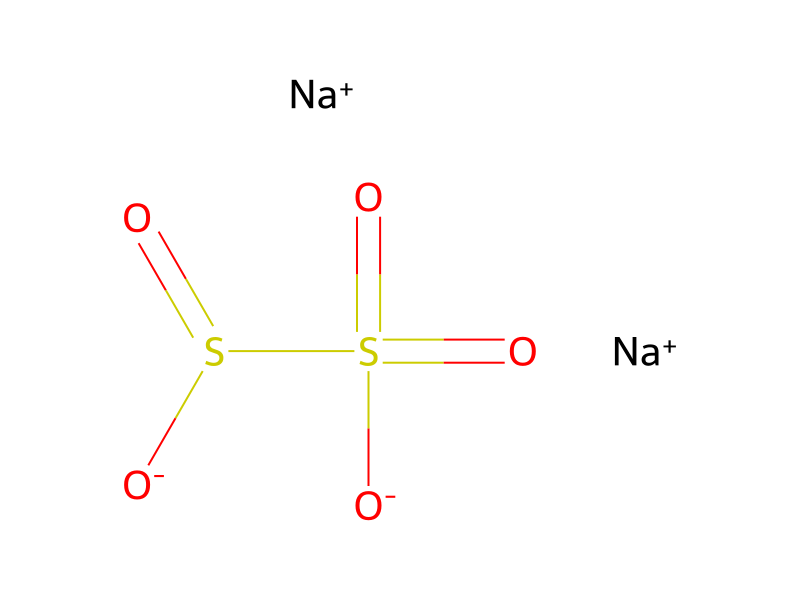
[Br:1][C:2]1[C:7]([OH:8])=[CH:6][CH:5]=[CH:4][N:3]=1.C(=O)([O-])[O-].[K+].[K+].[I:15]I.S(S([O-])=O)([O-])(=O)=O.[Na+].[Na+].Cl>O>[Br:1][C:2]1[C:7]([OH:8])=[CH:6][CH:5]=[C:4]([I:15])[N:3]=1Participants
7
Reactant 5



Product 1

Reagents, catalysts & solvents 1

Procedure
To a solution of 2-bromo-3-hydroxypyridine (10 g, 57.5 mmol) and potassium carbonate (15.9 g, 114.9 mmol) in water (130 mL) was added iodine (15 g, 59.2 mmol) and the reaction mixture stirred at room temperature for 23 hours. A small amount of solid sodium metabisulfite was added to the reaction mixture. The reaction mixture was then cooled to 0° C. and acidified to pH 6 by the addition of 1 M aqueous hydrochloric acid. The resulting suspension was stirred at 0° C. for 1 hour then filtered to give 2-bromo-6-iodopyridin-3-ol (13.6 g, 79% yield) as a white solid.
Workup
- temperatureThe reaction mixture was then cooled to 0° C.
- stirringThe resulting suspension was stirred at 0° C. for 1 hour
- filtrationthen filtered
Sources & evidence
- ORD record
- ord-c407a75608b942149e5300fb7bb8cc89
- Source dataset
- uspto-grants-2015_02
- Patent number
- US08962657B2
Reaction notes
Loading…