Tetrahydrofuran → HCID 9798180, compound
Reaction equation

[C:1]1([CH2:7][N:8](C2C=CC=CC=2CCC=O)[CH2:9][C:10]2[CH:15]=[CH:14][CH:13]=[CH:12][CH:11]=2)[CH:6]=[CH:5][CH:4]=[CH:3][CH:2]=1.ClCI.C([Li])CCC.[CH3:34][CH2:35][CH2:36][CH2:37][CH2:38][CH3:39].[O:40]1[CH2:44][CH2:43][CH2:42][CH2:41]1>C(OCC)(=O)C.CCCCCC>[CH2:7]([N:8]([CH2:9][C:10]1[CH:15]=[CH:14][CH:13]=[CH:12][CH:11]=1)[C@@H:42]([CH2:41][C:36]1[CH:35]=[CH:34][CH:39]=[CH:38][CH:37]=1)[C@@H:43]1[O:40][CH2:44]1)[C:1]1[CH:6]=[CH:5][CH:4]=[CH:3][CH:2]=1Participants


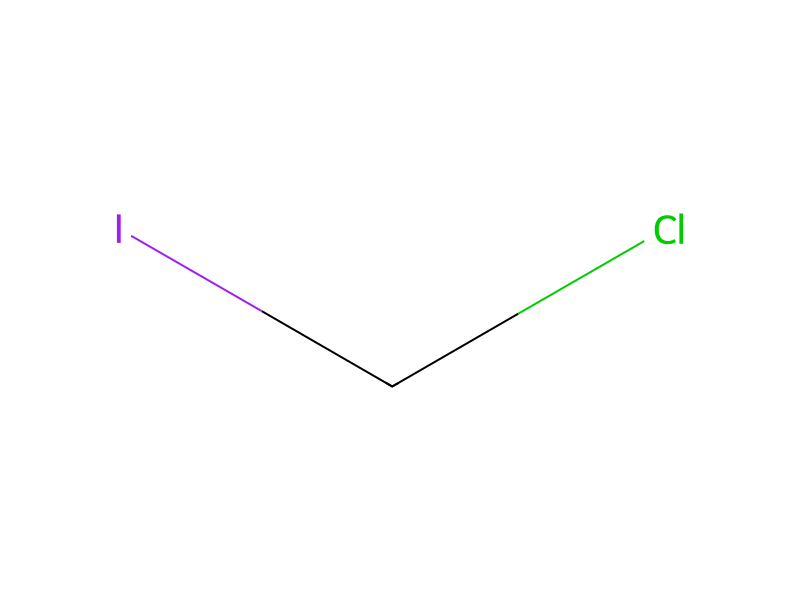




Conditions
- Temperature
- -32.5 °C
Procedure
A solution of aS-[Bis(phenylmethyl)amino]benzene-propanaldehyde (191.7 g, 0.58 mol) and chloroiodomethane (56.4 mL, 0.77 mol) in tetrahydrofuran (1.8 L) was cooled to -30 to -35° C. (colder temperature such as -70° C. also worked well but warmer temperatures are more readily achieved in large scale operations) in a stainless steel reactor under a nitrogen atmosphere. A solution of n-butyllithium in hexane (1.6 M, 365 mL, 0.58 mol) was then added at a rate that maintained the temperature below -25° C. After addition the mixture was stirred at -30 to -35° C. for 10 minutes. More additions of reagents were carried out in the following manner: (1) additional chloroiodomethane (17 mL) was added, followed by n-butyllithium (110 mL) at <-25° C. After addition the mixture was stirred at -30 to -35° C. for 10 minutes. This was repeated once. (2) Additional chloroiodomethane (8.5 mL, 0.11 mol) was added, followed by n-butyllithium (55 mL, 0.088 mol) at <-25° C. After addition, the mixture was stirred at -30 to -35° C. for 10 minutes. This was repeated 5 times. (3) Additional chloroiodomethane (8.5 mL, 0.11 mol) was added, followed by n-butyllithium (37 mL, 0.059 mol) at <-25° C. After addition, the mixture was stirred at -30 to -35° C. for 10 minutes. This was repeated once. The external cooling was stopped and the mixture warmed to ambient temp. over 4 to 16 hours when TLC (silica gel, 20% ethyl acetate/hexane) indicated that the reaction was completed. The reaction mixture was cooled to 100° C. and quenched with 1452 g of 16% ammonium chloride solution (prepared by dissolving 232 g of ammonium chloride in 1220 mL of water), keeping the temperature below 230° C. The mixture was stirred for 10 minutes and the organic and aqueous layers were separated. The aqueous phase was extracted with ethyl acetate (2×500 mL). The ethyl acetate layer was combined with the tetrahydrofuran layer. The combined solution was dried over magnesium sulfate (220 g), filtered and concentrated on a rotary evaporator at 65° C. The brown oil residue was dried at 70° C. in vacuo (0.8 bar) for 1 h to give 222.8 g of crude material. (The crude product weight was >100%. Due to the relative instability of the product on silica gel, the crude product is usually used directly in the next step without purification). The diastereomeric ratio of the crude mixture was determined by proton NMR: (2S)/(2R): 86:14. The minor and major epoxide diastereomers were characterized in this mixture by tlc analysis (silica gel, 10% ethyl acetate/hexane), Rf=0.29 & 0.32, respectively. An analytical sample of each of the diastereomers was obtained by purification on silica-gel chromatography (3% ethyl acetate/hexane) and characterized as follows:
Workup
- temperaturethat maintained the temperature below -25° C
- additionAfter addition the mixture
- additionAfter addition the mixture
- stirringwas stirred at -30 to -35° C. for 10 minutes
- additionAfter addition
- stirringthe mixture was stirred at -30 to -35° C. for 10 minutes
- additionAfter addition
- stirringthe mixture was stirred at -30 to -35° C. for 10 minutes
- temperatureThe external cooling
- temperatureThe reaction mixture was cooled to 100° C.
- customquenched with 1452 g of 16% ammonium chloride solution (prepared by dissolving 232 g of ammonium chloride in 1220 mL of water)
- customthe temperature below 230° C
- stirringThe mixture was stirred for 10 minutes
- customthe organic and aqueous layers were separated
- extractionThe aqueous phase was extracted with ethyl acetate (2×500 mL)
- dry with materialThe combined solution was dried over magnesium sulfate (220 g)
- filtrationfiltered
- concentrationconcentrated on a rotary evaporator at 65° C
- customThe brown oil residue was dried at 70° C. in vacuo (0.8 bar) for 1 h
- customto give 222.8 g of crude material
- customDue to the relative instability of the product on silica gel, the crude product is usually used directly in the next step without purification)
- customAn analytical sample of each of the diastereomers was obtained by purification on silica-gel chromatography (3% ethyl acetate/hexane)
Sources & evidence
- ORD record
- ord-f265a6034b3b4a9194183aca5e211386
- Source dataset
- uspto-grants-2000_11
- Patent number
- US06143747
Reaction notes
Loading…