Ammonium Chloride → 4-(2-Bromophenyl)-3-cyano-N-benzylpyrrolidine
Reaction equation

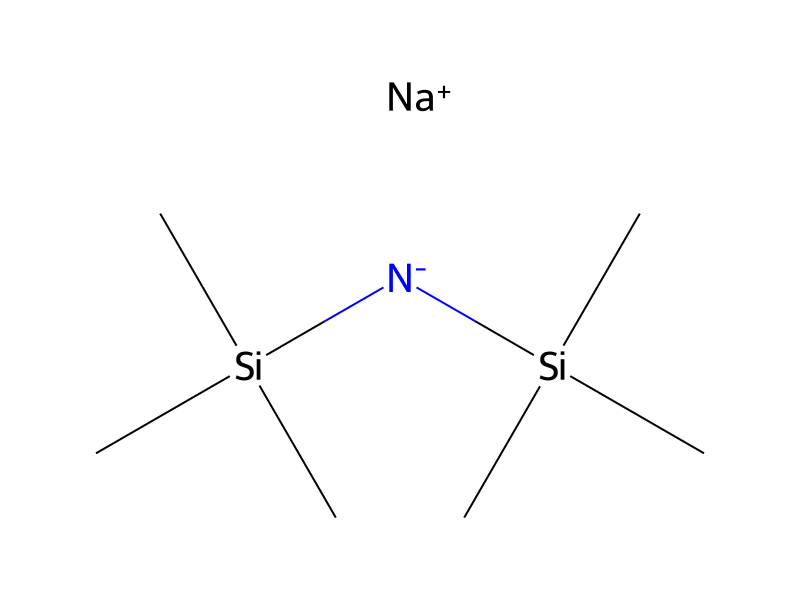
[CH2:1]([N:8]([CH2:13][CH:14]([C:16]1[CH:21]=[CH:20][CH:19]=[CH:18][C:17]=1[Br:22])Cl)[CH2:9][CH2:10][C:11]#[N:12])[C:2]1[CH:7]=[CH:6][CH:5]=[CH:4][CH:3]=1.C[Si](C)(C)[N-][Si](C)(C)C.[Na+].[Cl-].[NH4+]>O1CCCC1>[Br:22][C:17]1[CH:18]=[CH:19][CH:20]=[CH:21][C:16]=1[CH:14]1[CH2:13][N:8]([CH2:1][C:2]2[CH:7]=[CH:6][CH:5]=[CH:4][CH:3]=2)[CH2:9][CH:10]1[C:11]#[N:12]Participants
5




Conditions
- Temperature
- -70 °C
Procedure
The 90.2 g of product obtained in Step 3 are dissolved in tetrahydrofuran. The solution is cooled to -70° C. and 143 ml of a 2M solution of sodium hexamethyldisilazide are poured in dropwise. After 1 hour at -70° C. and then 12 hours at ambient temperature, the reaction mixture is poured into 300 ml of saturated aqueous ammonium chloride solution and then extracted with ether. The combined organic phases are washed and dried. After evaporating, 78.5 g of expected product are obtained in the form of a mixture of diastereoisomers.
Workup
- extractionextracted with ether
- washThe combined organic phases are washed
- customdried
- customAfter evaporating
Sources & evidence
- ORD record
- ord-325ea73bcad54a0cabe026132d93e27a
- Source dataset
- uspto-grants-2000_11
- Patent number
- US06153640
Reaction notes
Loading…