Diisopropylamine → 2-(4-Bromo-phenyl)-3-cyclopentyl-propionic acid
Reaction equation

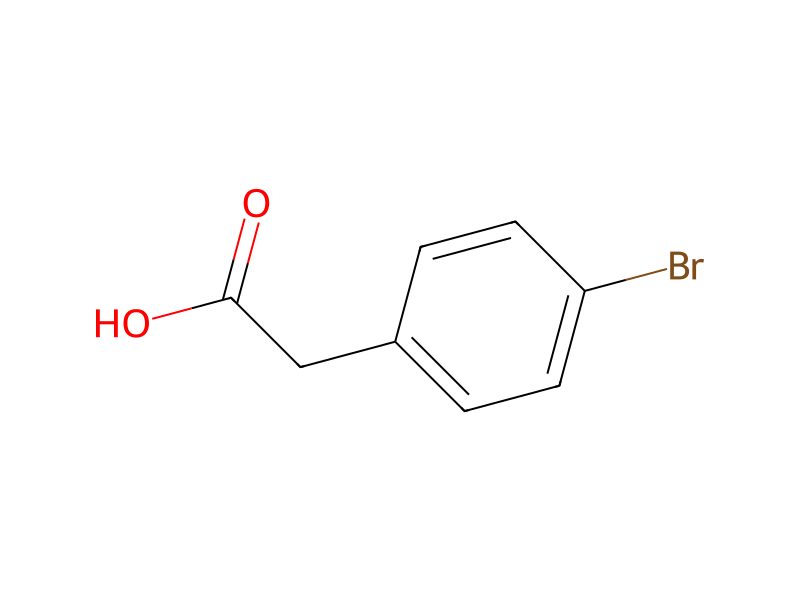
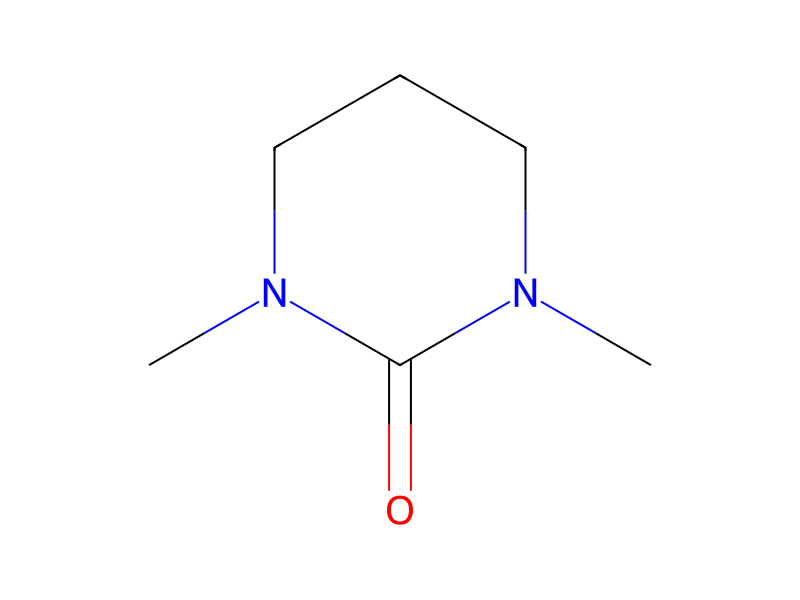
C(NC(C)C)(C)C.C([Li])CCC.[Br:13][C:14]1[CH:19]=[CH:18][C:17]([CH2:20][C:21]([OH:23])=[O:22])=[CH:16][CH:15]=1.I[CH2:25][CH:26]1[CH2:30][CH2:29][CH2:28][CH2:27]1>O1CCCC1.CN1CCCN(C)C1=O>[Br:13][C:14]1[CH:15]=[CH:16][C:17]([CH:20]([CH2:25][CH:26]2[CH2:30][CH2:29][CH2:28][CH2:27]2)[C:21]([OH:23])=[O:22])=[CH:18][CH:19]=1Participants
Reactant 4



Product 1

Reagents, catalysts & solvents 2

Conditions
- Temperature
- -78 °C
Procedure
A solution of diisopropylamine (7.7 mL, 54.88 mmol) in dry tetrahydrofuran (23 mL) and 1,3-dimethyl-3,4,5,6-tetrahydro-2(1H)-pyrimidinone (10 mL) was cooled to −78° C. under nitrogen and then treated with a 2.5M solution of n-butyllithium in hexanes (22.0 mL, 54.88 mmol). The reaction mixture was stirred at −78° C. for 30 min and then treated dropwise with a solution of 4-bromophenylacetic acid (5.62 g, 26.13 mmol) in dry tetrahydrofuran (23 mL) and 1,3-dimethyl-3,4,5,6-tetrahydro-2(1H)-pyrimidinone (10 mL). The reaction mixture turned dark in color and was allowed to stir at −78° C. for 1 h, at which time, a solution of iodomethylcyclopentane (5.76 g, 27.44 mmol) in a small amount of dry tetrahydrofuran was added dropwise. The reaction mixture was allowed to warm to 25° C. where it was stirred for 24 h. The reaction mixture was quenched with water and then concentrated in vacuo to remove tetrahydrofuran. The aqueous residue was acidified using a 10% aqueous hydrochloric acid solution. The resulting aqueous layer was extracted with ethyl acetate (2×100 mL). The combined organic extracts were dried over sodium sulfate, filtered, and concentrated in vacuo. Flash chromatography (Merck Silica gel 60, 230-400 mesh, 3/1 hexanes/ethyl acetate) afforded 2-(4-bromo-phenyl)-3-cyclopentyl-propionic acid (3.88 g, 50%) as a light yellow solid: mp 91-93° C.; EI-HRMS m/e calcd for C14H17BrO2 (M+) 296.0412, found 296.0417.
Workup
- stirringto stir at −78° C. for 1 h, at which time
- temperatureto warm to 25° C. where it
- stirringwas stirred for 24 h
- customThe reaction mixture was quenched with water
- concentrationconcentrated in vacuo
- customto remove tetrahydrofuran
- extractionThe resulting aqueous layer was extracted with ethyl acetate (2×100 mL)
- dry with materialThe combined organic extracts were dried over sodium sulfate
- filtrationfiltered
- concentrationconcentrated in vacuo
Sources & evidence
- ORD record
- ord-27881f6975ba47b5ad17fb51e22969ef
- Source dataset
- uspto-grants-2003_03
- Patent number
- US06528543B1
Reaction notes
Loading…