Lithium diisopropylamide → 3-Cyclopentyl-2-(4-fluoro-3-trifluoromethyl-phenyl)-propionic acid
Reaction equation

C([N-]C(C)C)(C)C.[Li+].[F:9][C:10]1[CH:15]=[CH:14][C:13]([CH2:16][C:17]([OH:19])=[O:18])=[CH:12][C:11]=1[C:20]([F:23])([F:22])[F:21].I[CH2:25][CH:26]1[CH2:30][CH2:29][CH2:28][CH2:27]1>O1CCCC1.CN1CCCN(C)C1=O.CN1CCCN(C)C1=O>[CH:26]1([CH2:25][CH:16]([C:13]2[CH:14]=[CH:15][C:10]([F:9])=[C:11]([C:20]([F:21])([F:22])[F:23])[CH:12]=2)[C:17]([OH:19])=[O:18])[CH2:30][CH2:29][CH2:28][CH2:27]1Participants
Reactant 3


Product 1

Reagents, catalysts & solvents 2
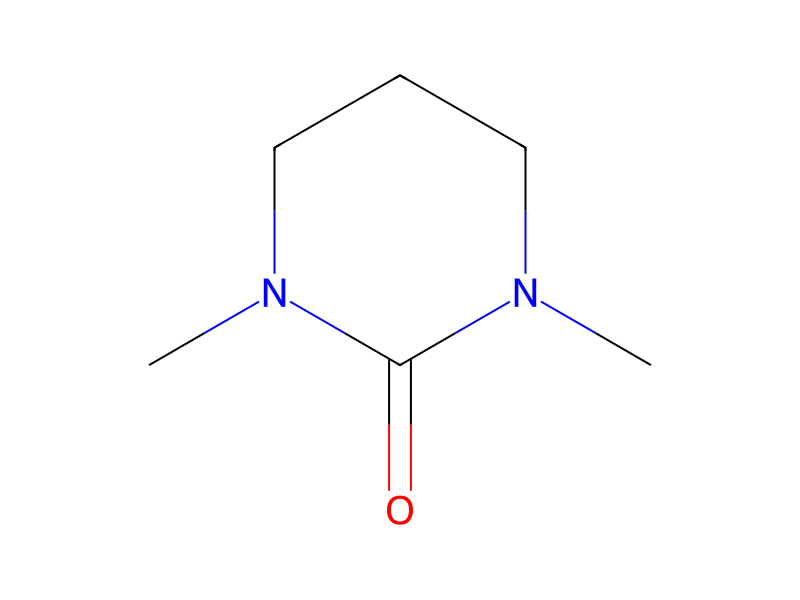

Conditions
- Temperature
- -78 °C
Procedure
A solution of freshly prepared lithium diisopropylamide (35.3 mL of a 0.31 M stock solution, 10.9 mmol) cooled to −78° C. was treated with (4-fluoro-3-trifluoromethyl-phenyl)-acetic acid (1.11 g, 5.0 mmol) in tetrahydrofuran/1,3-dimethyl-3,4,5,6-tetrahydro-2(1H)-pyrimidinone (12.4 mL, 3:1). The resulting solution was stirred at −78° C. for 1 h. At this time, the reaction was treated with a solution of iodomethylcyclopentane (1.16 g, 5.52 mmol) in 1,3-dimethyl-3,4,5,6-tetrahydro-2(1H)-pyrimidinone (1.2 mL). The reaction mixture was stirred at −78° C. for 4 h. The reaction was then warmed to 25° C. and was stirred at 25° C. for 48 h. This solution was then quenched by the slow addition of the reaction mixture to an aqueous solution of 2N hydrochloric acid (50 mL). The product was extracted into ethyl acetate (3×100 mL) and diethyl ether (1×50 mL). The organic layers were dried over magnesium sulfate and sodium sulfate, filtered, and concentrated in vacuo. Flash chromatography (Merck Silica gel 60, 230-400 mesh, 50/50 hexanes/ethyl acetate with acetic acid) afforded 3-cyclopentyl-2-(4-fluoro-3-trifluoromethyl-phenyl)-propionic acid (1.28 g, 84.3%) as a white solid: mp 66-68° C.: EI-HRMS m/e calcd for C15H16F4O2 (M+) 305.1165, found 305.1174.
Workup
- stirringThe reaction mixture was stirred at −78° C. for 4 h
- temperatureThe reaction was then warmed to 25° C.
- stirringwas stirred at 25° C. for 48 h
- customThis solution was then quenched by the slow addition of the reaction mixture to an aqueous solution of 2N hydrochloric acid (50 mL)
- extractionThe product was extracted into ethyl acetate (3×100 mL) and diethyl ether (1×50 mL)
- dry with materialThe organic layers were dried over magnesium sulfate and sodium sulfate
- filtrationfiltered
- concentrationconcentrated in vacuo
Sources & evidence
- ORD record
- ord-abcd579550cb4118afbc23d83335e43d
- Source dataset
- uspto-grants-2003_03
- Patent number
- US06528543B1
Reaction notes
Loading…