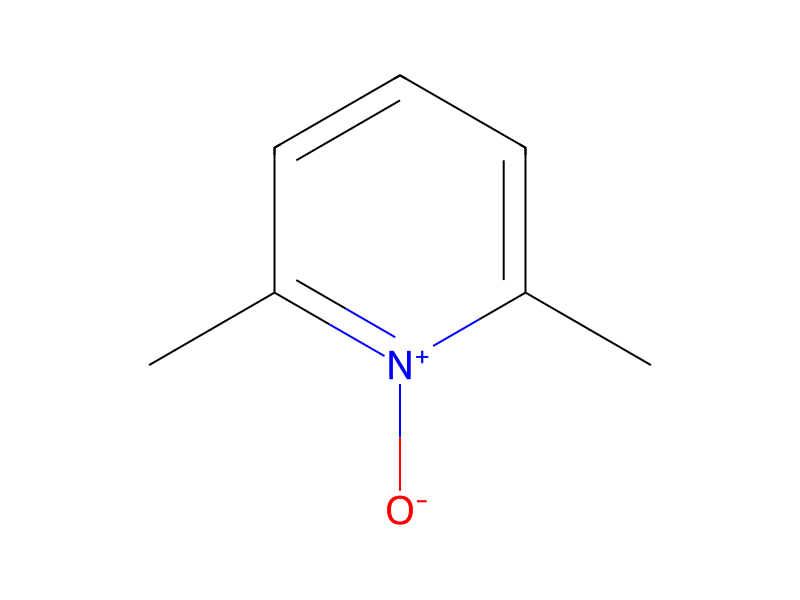
2,6-Lutidine → 2,6-Dimethylpyridine N-oxide
Reaction equation

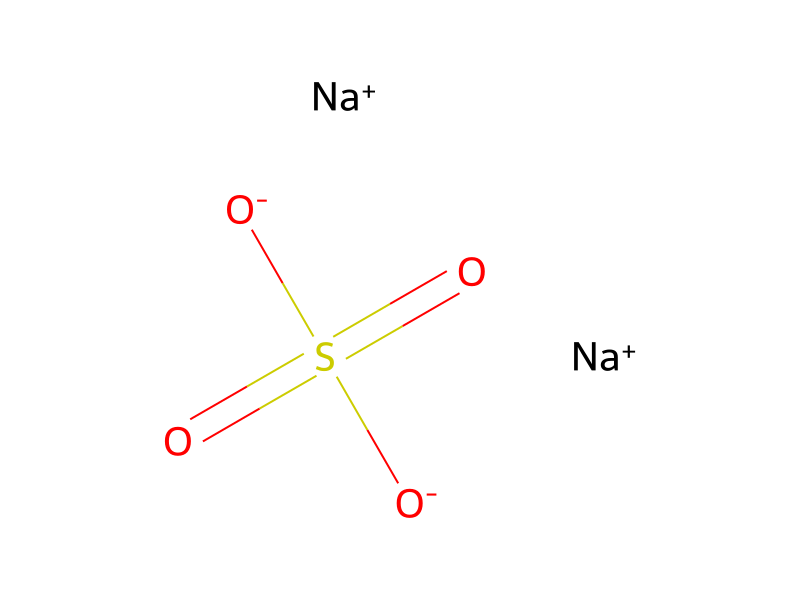
S([O-])([O-])(=O)=O.[Na+].[Na+].ClC1C=CC=C(C(OO)=[O:16])C=1.[N:19]1[C:24]([CH3:25])=[CH:23][CH:22]=[CH:21][C:20]=1[CH3:26]>C(Cl)Cl>[N+:19]1([O-:16])[C:24]([CH3:25])=[CH:23][CH:22]=[CH:21][C:20]=1[CH3:26]Participants
5
Reactant 3


Product 1
Reagents, catalysts & solvents 1

Procedure
Sodium sulphate (6 g) and a solution of m-chloroperbenzoic acid (40 g) in DCM (140 ml) was added to a solution of 2,6-lutidine (5 ml) in dry DCM (60 ml). The mixture was stirred at 23° and under a nitrogen atmosphere for 18 h; then it was quenched with a saturated aqueous sodium bicarbonate solution (200 ml). Then a solution of potassium carbonate was added and the aqueous phase was saturated with NaCl and then it was extract with DCM (3×100 ml). The organic extract was dried and concentrated in vacuo to a yellow oil which was purified by flash chromatography (eluting in gradient from EA to EA-MeOH 9:1) to give the title compound as a yellow oil (4.7 g).
Workup
- customthen it was quenched with a saturated aqueous sodium bicarbonate solution (200 ml)
- additionThen a solution of potassium carbonate was added
- extractionit was extract with DCM (3×100 ml)
- extractionThe organic extract
- customwas dried
- concentrationconcentrated in vacuo to a yellow oil which
- customwas purified by flash chromatography (eluting in gradient from EA to EA-MeOH 9:1)
Sources & evidence
- ORD record
- ord-e21c929b0d0547f09663b0a11b70155e
- Source dataset
- uspto-grants-2003_03
- Patent number
- US06531466B2
Reaction notes
Loading…