4-Nitrobenzyl chloride → HCID 15340882, compound
Reaction equation

[CH3:1][O:2][C:3]1[CH:4]=[C:5]([C:11]2[CH2:12][CH2:13][C:14](=[O:17])[NH:15][N:16]=2)[CH:6]=[CH:7][C:8]=1[O:9][CH3:10].CC(C)([O-])C.[K+].[N+:24]([C:27]1[CH:34]=[CH:33][C:30]([CH2:31]Cl)=[CH:29][CH:28]=1)([O-:26])=[O:25]>C1COCC1>[N+:24]([C:27]1[CH:34]=[CH:33][C:30]([CH2:31][N:15]2[C:14](=[O:17])[CH2:13][CH2:12][C:11]([C:5]3[CH:6]=[CH:7][C:8]([O:9][CH3:10])=[C:3]([O:2][CH3:1])[CH:4]=3)=[N:16]2)=[CH:29][CH:28]=1)([O-:26])=[O:25]Participants
5
Reactant 3
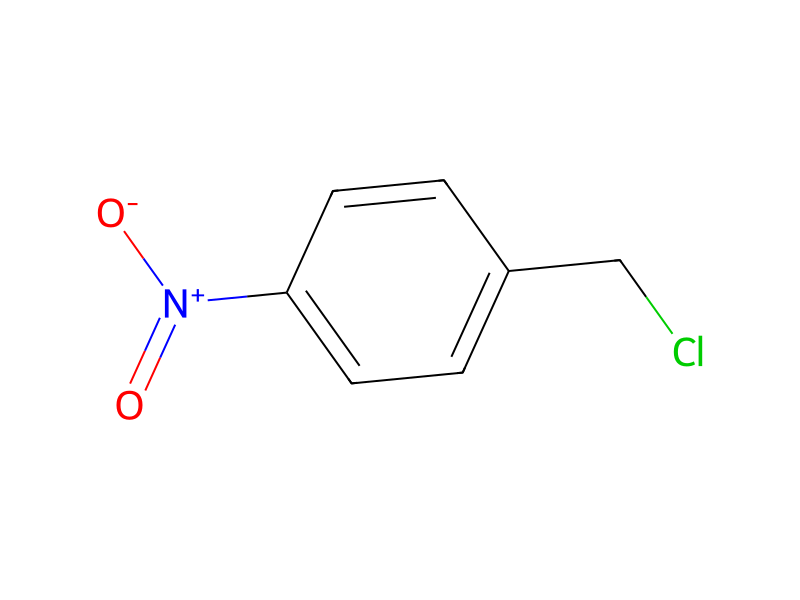


Product 1

Reagents, catalysts & solvents 1

Procedure
A suspension of 4.70 g of 6-(3,4-dimethoxyphenyl)-2,3,4,5-tetrahydropyridazin-3-one (“A”) in 150 ml of THF is treated with 2.24 g of potassium tertbutoxide and stirred for 30 minutes. 4.32 g of 4-nitrobenzyl chloride are added thereto and the mixture is stirred at room temperature for 10 hours. The solvent is removed. and the residue is worked up in the customary manner. 2-(4-Nitrobenzyl)-6-(3,4-dimethoxyphenyl)-2,3,4,5-tetrahydropyridazin-3-one, m.p. 126°, is obtained.
Workup
- stirringthe mixture is stirred at room temperature for 10 hours
- customThe solvent is removed
Sources & evidence
- ORD record
- ord-3f63e0baea144a1884a6198d8afacbf1
- Source dataset
- uspto-grants-2003_03
- Patent number
- US06531473B2
Reaction notes
Loading…