Hydrogen Bromide → HCID 22475286, compound
Reaction equation

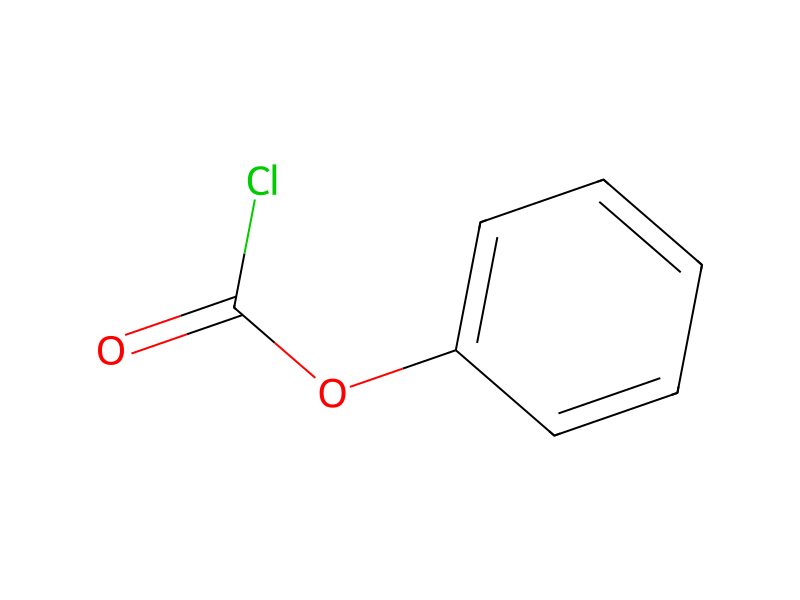
[CH2:1]1[CH2:8][CH:7]2[CH2:9][CH:3]([CH2:4][CH2:5][N:6]2[C:10]2C=CC=CC=2)[CH2:2]1.N1[CH:21]=[CH:20][CH2:19][CH2:18][CH2:17]1.[C:22]1([O:28][C:29](Cl)=O)[CH:27]=[CH:26][CH:25]=[CH:24][CH:23]=1.N[C:33](OCC)=O.[OH-].[K+].Br>C(O)(=O)C>[CH3:29][O:28][C:22]1[CH:27]=[C:26]([C:3]23[CH2:2][C:1]4[CH:8]=[CH:21][CH:20]=[CH:19][C:18]=4[CH2:17][C:4]2([CH3:33])[CH2:5][N:6]([CH3:10])[CH2:7][CH2:9]3)[CH:25]=[CH:24][CH:23]=1Participants
Reactant 6





Product 1

Reagents, catalysts & solvents 1

Procedure
The synthesis of the N-methyl- and N-phenethyl-9β-methyl-5-(3-hydroxyphenyl)-morphans (5b and 5c, respectively) was achieved as illustrated in FIG. 13. Treatment of 1,2,6-trihydro-1,3-dimethyl-4-(3-methoxy)pyridine (6) with sec-butyl lithium followed by quenching with allyl bromide provided the enamine adduct (7) which was cyclized without isolation to give 2,9-dimethyl-5-(3-methoxyphenyl)-2-azabicyclo[3.3.1]non-3-ene (8a,b) in a 3:1 9β- to 9α-methyl ratio, using hydrochloric acid in tetrahydrofuran. Reduction of unpurified 8a,b using sodium borohydride triacetate followed by separation of the major isomer gave 9. Subjection of 9 to O-demethylation using hydrobromic acid in acetic acid provided the desired phenylmorphan (5b). Single crystal X-ray analysis showed that 5b had the desired 9β-methyl relative configuration (FIG. 14). The N-phenethyl derivative (5c) was prepared from intermediate 9. Treatment of 9 with phenylchloroformate followed by hydrolysis of the resulting urethane with potassium hydroxide followed by O-demethylation with hydrobromic acid in acetic acid gave 10. Compound 10 was converted to 5c by coupling with phenyl acetic acid in the presence of benzotriazol-1-yl-oxy-tris(dimethylamino)phosphonium hexafluorophosphate followed by borane reduction of the resulting amide intermediate.
Sources & evidence
- ORD record
- ord-87d5bd2698ae4f3095f9818ce7e66a64
- Source dataset
- uspto-grants-2003_03
- Patent number
- US06531481B2
Reaction notes
Loading…