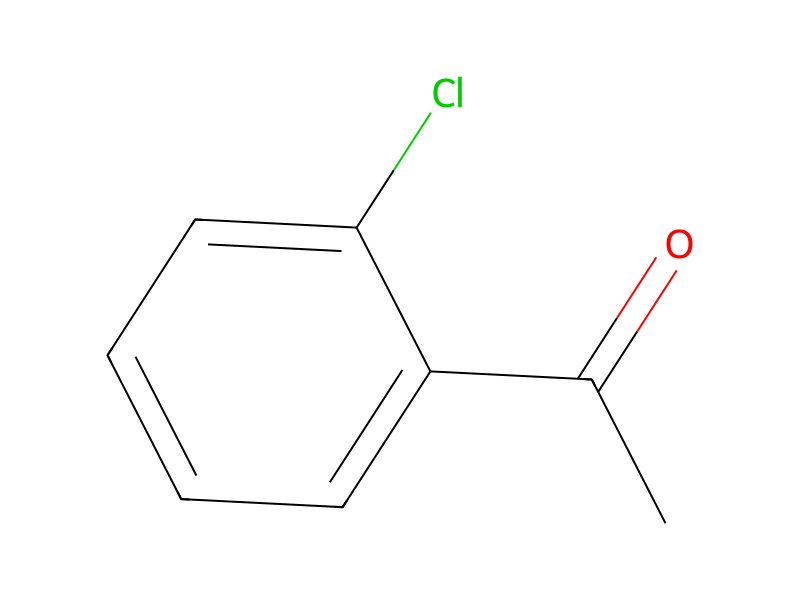
Formate → 2-Chloroacetophenone
Reaction equation

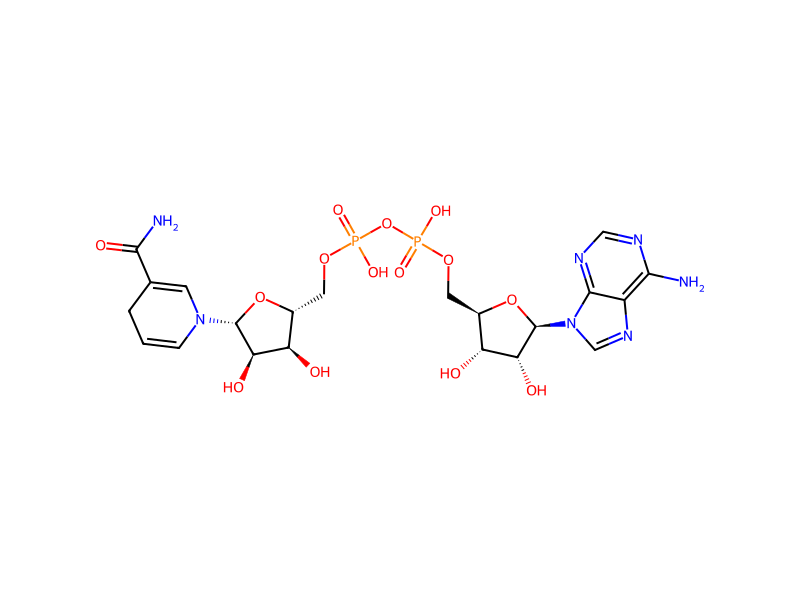
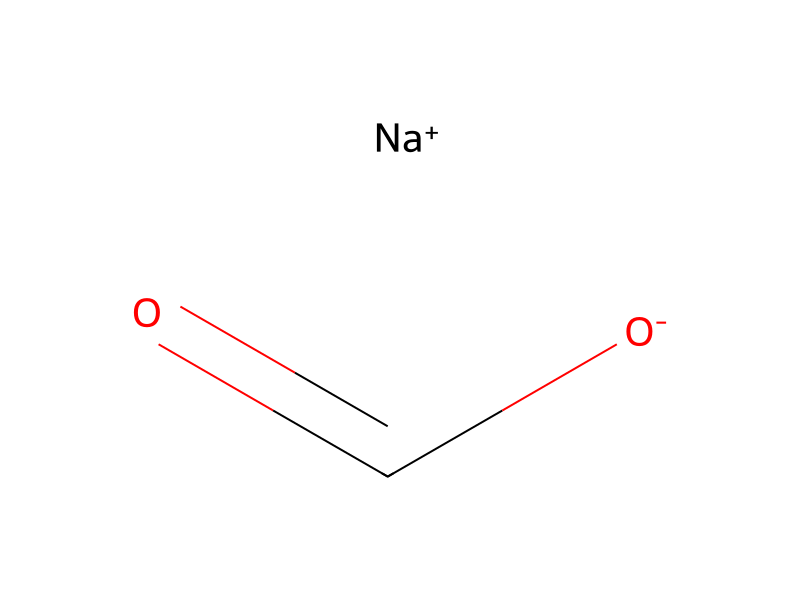
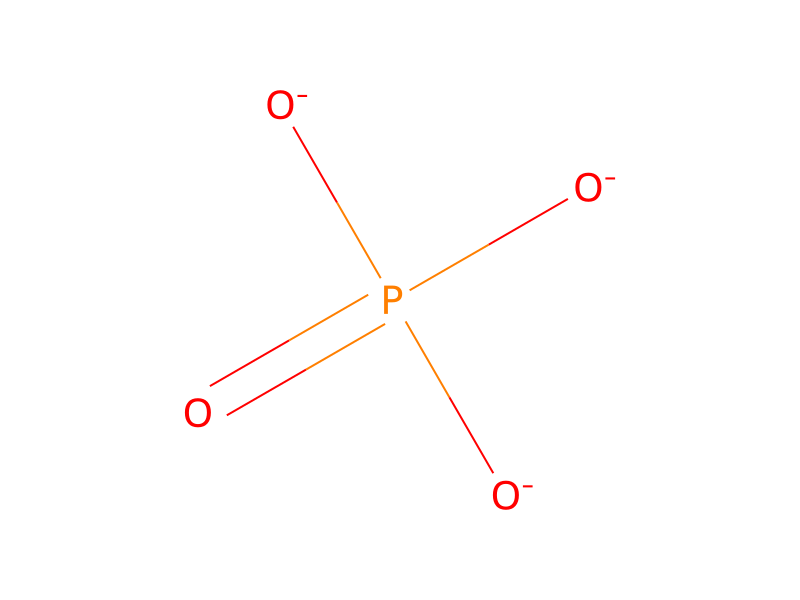
[Cl:1][C:2]1C=CC=CC=1C(=O)C.C1N=C(N)C2N=CN([C@@H]3O[C@H](COP(OP(OC[C@H]4O[C@@H](N5[CH:46]=[C:45]([C:47](N)=[O:48])[CH2:44][CH:43]=[CH:42]5)[C@H](O)[C@@H]4O)(O)=O)(O)=O)[C@@H](O)[C@H]3O)C=2N=1.[CH:55]([O-])=O.[Na+].C([O-])=O>P([O-])([O-])([O-])=O>[Cl:1][CH2:2][C:47]([C:45]1[CH:44]=[CH:43][CH:42]=[CH:55][CH:46]=1)=[O:48]Participants
Reactant 4

Product 1

Reagents, catalysts & solvents 1
Procedure
A reaction mixture, comprising ortho-chloroacetophenone (2-chloroacetophenone; 250 mM), as well as NADH (0.04 equivalent, based on the ketone), and sodium formate (5.5 equivalents, based on the ketone) at enzyme amounts of 60 U/mmol of an (S)-ADH from R. erythropolis (expr. in E. coli) and 60 U/mmol of a formate dehydrogenase from Candida boidinii (double mutants: C23S, C262A; expr. in E. coli), is stirred at a reaction temperature of 30° C. over a period of 72 hours in 50 ml of a phosphate buffer (100 mM; pH 7.0). Samples are taken during this period of time and the particular conversion is determined via HPLC. After 72 hours, complete conversion of the ketone to the desired alcohol was found. The organic components are then extracted with 2×50 ml methyl tert-butyl ether, the aqueous phase is discarded and the organic phase is dried. The filtrate which results after filtration is freed from the readily volatile constituents in vacuo and the resulting residue is investigated in respect of the formation rate by analysis via HPLC and 1H nuclear magnetic resonance spectroscopy. A formation rate of >99% was determined (FIG. 3).
Workup
- waitSamples are taken during this period of time
- extractionThe organic components are then extracted with 2×50 ml methyl tert-butyl ether
- customthe organic phase is dried
- customThe filtrate which results
- filtrationafter filtration
Sources & evidence
- ORD record
- ord-8d6114f24d7e4dbb91d81aeb7df0d1d2
- Source dataset
- uspto-grants-2009_12
- Patent number
- US07632665B2
Reaction notes
Loading…