Toluene → HCID 23031435, compound
Reaction equation

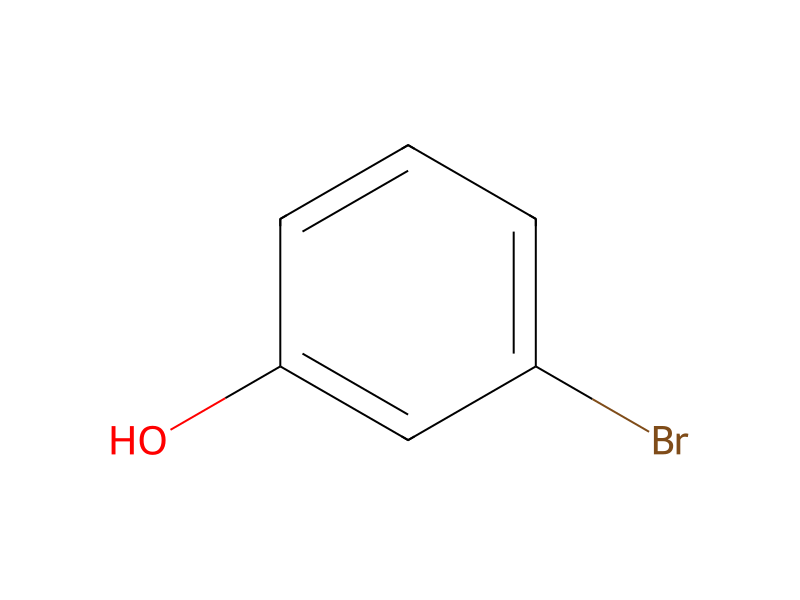
[Br:1][C:2]1[CH:3]=[C:4]([OH:8])[CH:5]=[CH:6][CH:7]=1.[CH:9]1([CH2:15][CH2:16]C2C=CC=CC=2O)[CH2:14][CH2:13][CH2:12][CH2:11][CH2:10]1.C1(P(C2C=CC=CC=2)C2C=CC=CC=2)C=CC=CC=1.N(C(OCC)=O)=NC(OCC)=O.C1(C)C=CC=CC=1>O1CCCC1>[Br:1][C:2]1[CH:7]=[CH:6][CH:5]=[C:4]([O:8][CH2:16][CH2:15][CH:9]2[CH2:14][CH2:13][CH2:12][CH2:11][CH2:10]2)[CH:3]=1Participants






Procedure
To a solution of 3-bromophenol (15.0 g, 86.7 mmol), 2-cyclohexylethylphenol (12.0 ml, 86.7 mmol) and triphenylphosphine (23.0 g, 86.7 mmol) in tetrahydrofuran (200 ml) was added slowly a 40% solution of diethyl azodicarboxylate in toluene (38.0 ml, 86.7 mmol) in portions at 0° C. with stirring, and then the resulting mixture was stirred at room temperature for 7 hours. After stirring, the reaction mixture was evaporated in vacuo, and hexane was added to the residue. After filtration, the filtrate was evaporated in vacuo once again, and the residue was purified by chromatography on a silica gel column using a mixed solvent of ethyl acetate and hexane (1:100) as the eluent to afford 1-bromo-3-(2-cyclohexylethoxy)benzene (23.0 g, yield: 94%).
Workup
- stirringthe resulting mixture was stirred at room temperature for 7 hours
- stirringAfter stirring
- customthe reaction mixture was evaporated in vacuo, and hexane
- additionwas added to the residue
- filtrationAfter filtration
- customthe filtrate was evaporated in vacuo once again
- customthe residue was purified by chromatography on a silica gel column
Sources & evidence
- ORD record
- ord-00aaf8b30d4a4ca284e0aaf46893c12c
- Source dataset
- uspto-grants-2009_12
- Patent number
- US07638551B2
Reaction notes
Loading…