Ammonium Bicarbonate → Ammonia
Reaction equation

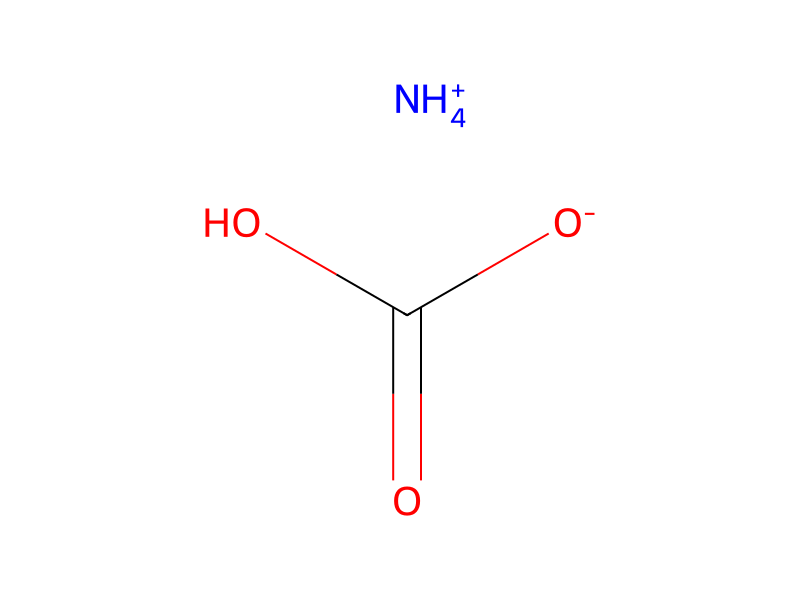
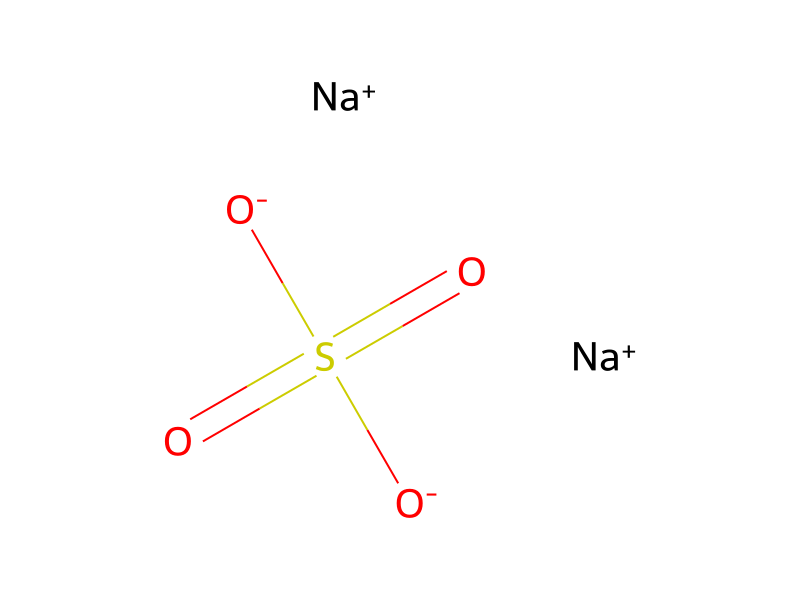
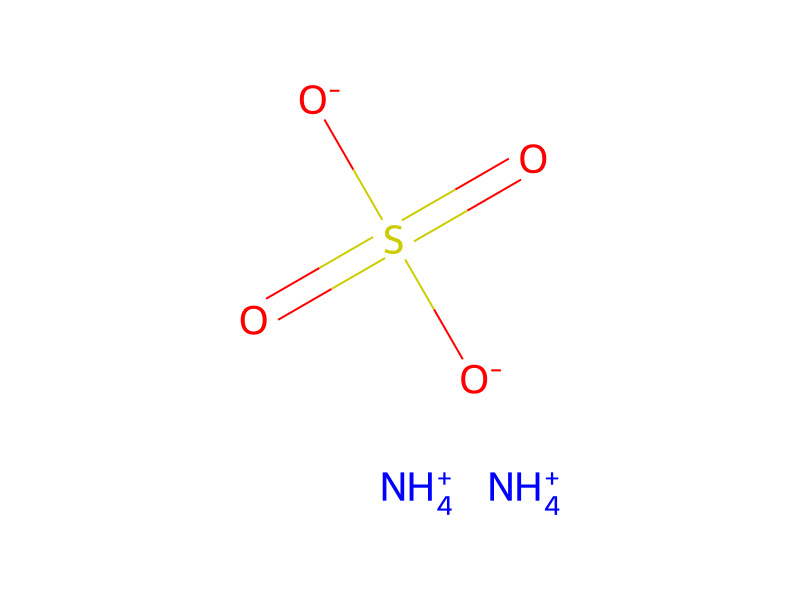
[C:1](=O)([OH:3])[O-:2].[Na+:5].[S:6]([O-:10])([O-:9])(=[O:8])=[O:7].[Na+].[Na+].S([O-])([O-])(=O)=O.[NH4+:18].[NH4+].C(=O)(O)[O-].[NH4+]>[Cl-].[Na+].O>[S:6]([O-:10])([O-:9])(=[O:8])=[O:7].[Na+:5].[Na+:5].[C:1](=[O:3])=[O:2].[NH3:18]Participants




Procedure
" . . . the brine remaining after screening off the solid sodium bicarbonate contains a mixture of unreacted sodium sulfate, ammonium sulfate, ammonium bicarbonate and minor amounts of sodium bicarbonate. This brine is transferred by a pump 36 into a gas recovery boiler 31 where it is heated to a temperature of 95° to 100° C. Under these conditions, the ammonium bicarbonate breaks down and sodium bicarbonate dissolved in the brine reacts with ammonium sulfate to produce sodium sulfate, carbon dioxide and ammonia. Carbon dioxide and ammonia dissolved in the brine boil off, leaving in the solution a mixture composed mostly of sodium and ammonium sulfate. The carbon dioxide and ammonia so regenerated are cooled in a gas cooler 32 and returned to the reactor 21 by a blower 33 after being further cooled in a gas cooler 34. This regeneration step minimizes the amount of carbon dioxide and ammonia used in the process."
Workup
- temperatureis heated to a temperature of 95° to 100° C
Sources & evidence
- ORD record
- ord-b6ca9ed369e741fd889238d2937adc28
- Source dataset
- uspto-grants-2000_08
- Patent number
- US06106796
Reaction notes
Loading…