Pyridine → HCID 57749089, compound
Reaction equation

[NH2:1][C:2]1[CH:3]=[C:4]([CH:13]=[CH:14][C:15]=1[Cl:16])[O:5][C:6]1[CH:7]=[CH:8][C:9]([NH2:12])=[N:10][CH:11]=1.N1C=CC=CC=1.[CH3:23][N:24]1[C:28]([C:29](Cl)=[O:30])=[CH:27][C:26]([CH3:32])=[N:25]1>O1CCCC1>[NH2:12][C:9]1[N:10]=[CH:11][C:6]([O:5][C:4]2[CH:13]=[CH:14][C:15]([Cl:16])=[C:2]([NH:1][C:29]([C:28]3[N:24]([CH3:23])[N:25]=[C:26]([CH3:32])[CH:27]=3)=[O:30])[CH:3]=2)=[CH:7][CH:8]=1Participants
5
Reactant 3

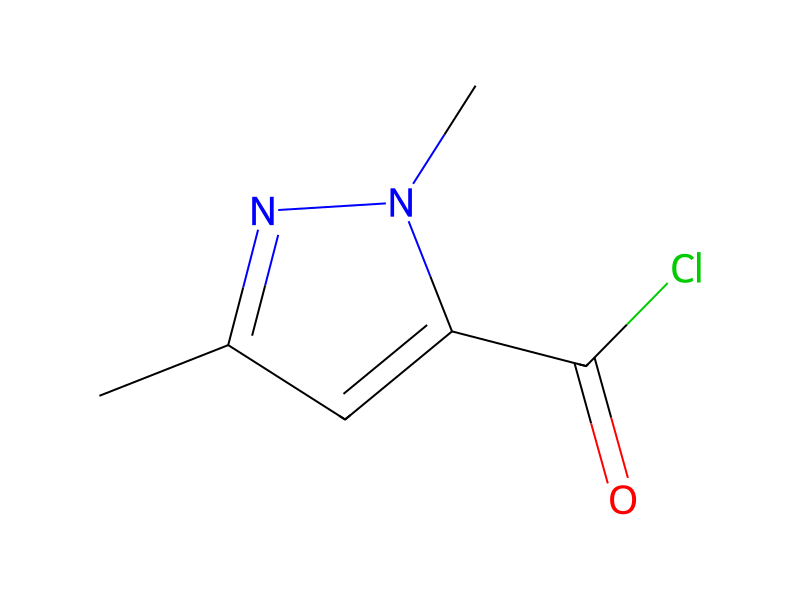

Product 1

Reagents, catalysts & solvents 1

Procedure
In the same manner as in Reference Example 3 and using 5-(3-amino-4-chlorophenoxy)pyridin-2-amine (2.01 g, 8.55 mmol), pyridine (725 μL, 8.98 mmol), 1,3-dimethyl-1H-pyrazole-5-carbonyl chloride (1.42 g, 8.98 mmol) and tetrahydrofuran (50 mL) as starting materials, the title compound (306 mg, 10%) was obtained as a white solid.
Sources & evidence
- ORD record
- ord-ff074694484f45d5837a9cdaa714ad59
- Source dataset
- uspto-grants-2012_11
- Patent number
- US08304557B2
Reaction notes
Loading…