Hydrazine hydrate (1:1) → HCID 178505621, compound
Reaction equation

Cl[C:2]1[C:7]([C:8](=O)[CH2:9][C:10]2[CH:15]=[CH:14][CH:13]=[CH:12][C:11]=2[F:16])=[CH:6][CH:5]=[CH:4][N:3]=1.O.[NH2:19][NH2:20]>C(O)CCC.COC(C)(C)C>[F:16][C:11]1[CH:12]=[CH:13][CH:14]=[CH:15][C:10]=1[CH2:9][C:8]1[C:7]2[C:2](=[N:3][CH:4]=[CH:5][CH:6]=2)[NH:20][N:19]=1Participants
5
Reactant 2


Product 1

Reagents, catalysts & solvents 2

Procedure
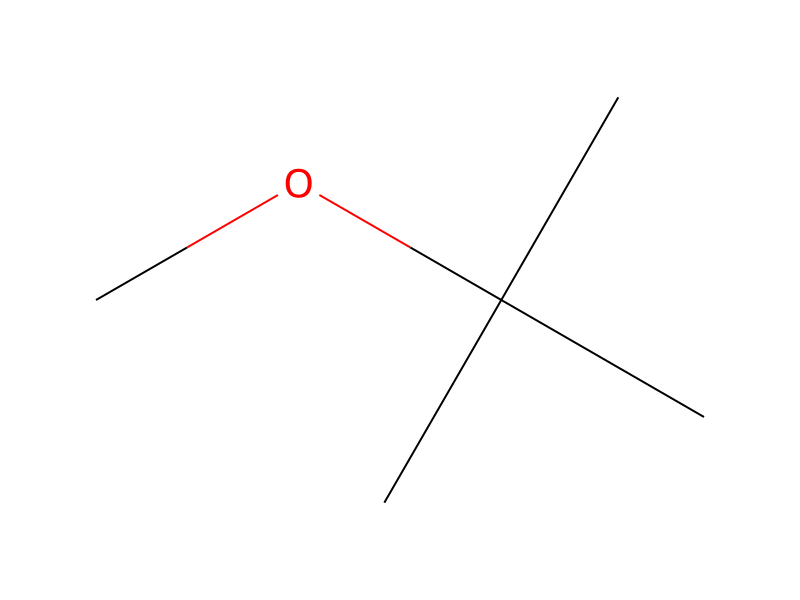
A solution of 2.00 g (8.01 mmol) of 1-(2-chloropyridin-3-yl)-2-(2-fluorophenyl)ethanone from example 11A and 560 mg (11.2 mmol) of hydrazine hydrate in 6 ml of 1-butanol is heated in a microwave at 200° C. for 10 min. It is then diluted with tert-butyl methyl ether, washed with saturated sodium bicarbonate solution and dried over sodium sulfate. The solution is concentrated in vacuo. The crystalline residue is stirred with a little tert-butyl methyl ether and filtered off with suction. The mother liquor is concentrated and purified by chromatography on silica gel (eluent: cyclohexane/ethyl acetate 2:1). In total, 1.40 g (77% of theory) of the desired product are obtained as yellow crystals.
Workup
- washwashed with saturated sodium bicarbonate solution
- dry with materialdried over sodium sulfate
- concentrationThe solution is concentrated in vacuo
- filtrationfiltered off with suction
- concentrationThe mother liquor is concentrated
- custompurified by chromatography on silica gel (eluent: cyclohexane/ethyl acetate 2:1)
Sources & evidence
- ORD record
- ord-92fbb16f0f0f491cb71514a71c63f453
- Source dataset
- uspto-grants-2012_11
- Patent number
- US08309551B2
Reaction notes
Loading…