Triethylamine → HCID 86637298, compound
Reaction equation

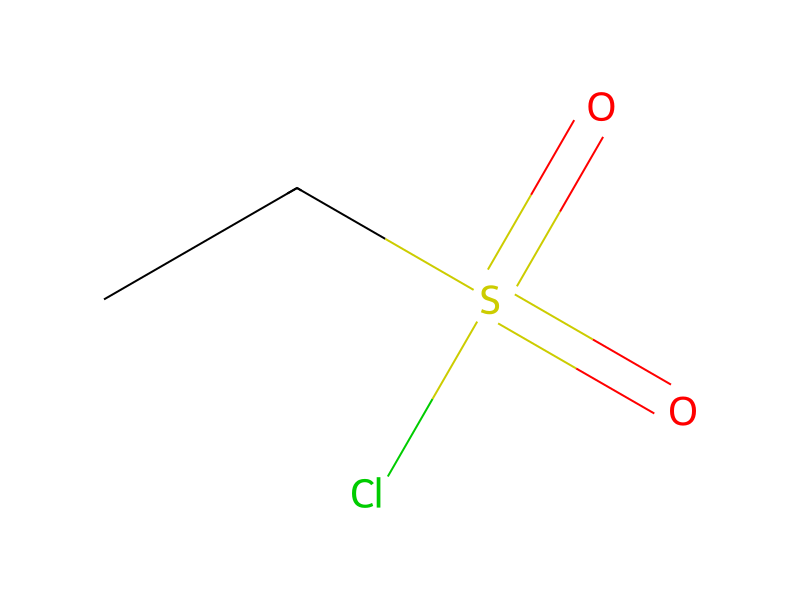
Cl.[Cl:2][C:3]1[N:8]=[C:7]([C:9]2[CH:10]=[N:11][N:12]([C:14]3([CH2:18][C:19]#[N:20])[CH2:17][NH:16][CH2:15]3)[CH:13]=2)[CH:6]=[CH:5][N:4]=1.C(N(CC)CC)C.[CH2:28]([S:30](Cl)(=[O:32])=[O:31])[CH3:29]>ClCCl>[Cl:2][C:3]1[N:8]=[C:7]([C:9]2[CH:10]=[N:11][N:12]([C:14]3([CH2:18][C:19]#[N:20])[CH2:17][N:16]([S:30]([CH2:28][CH3:29])(=[O:32])=[O:31])[CH2:15]3)[CH:13]=2)[CH:6]=[CH:5][N:4]=1Participants
5
Reactant 3


Product 1

Reagents, catalysts & solvents 1

Procedure
To a mixture of 3-(4-(2-chloropyrimidin-4-yl)-1H-pyrazol-1-yl)azetidin-3-ylacetonitrile hydrochloride (1.42 g, 0.00456 mol) in dichloromethane (30 mL) was added triethylamine (1.59 mL, 0.0114 mol) followed by ethanesulfonyl chloride (0.497 mL, 0.00525 mol) at 0° C. The reaction was stirred at room temperature for 1 h, quenched with 1N HCl. The organic layer was separated, washed with aqueous sodium bicarbonate, dried over sodium sulfate, and evaporated to dryness. The crude product was used directly in next step (1.26 g, 75.3%). LCMS (M+H) 367.3.
Workup
- customquenched with 1N HCl
- customThe organic layer was separated
- washwashed with aqueous sodium bicarbonate
- dry with materialdried over sodium sulfate
- customevaporated to dryness
Sources & evidence
- ORD record
- ord-9bc4fb68df52404faa078bb1097148e5
- Source dataset
- uspto-grants-2012_11
- Patent number
- US08309718B2
Reaction notes
Loading…