8-Hydroxyquinoline → 4-nitro-1-phenyl-1H-pyrazole
Reaction equation

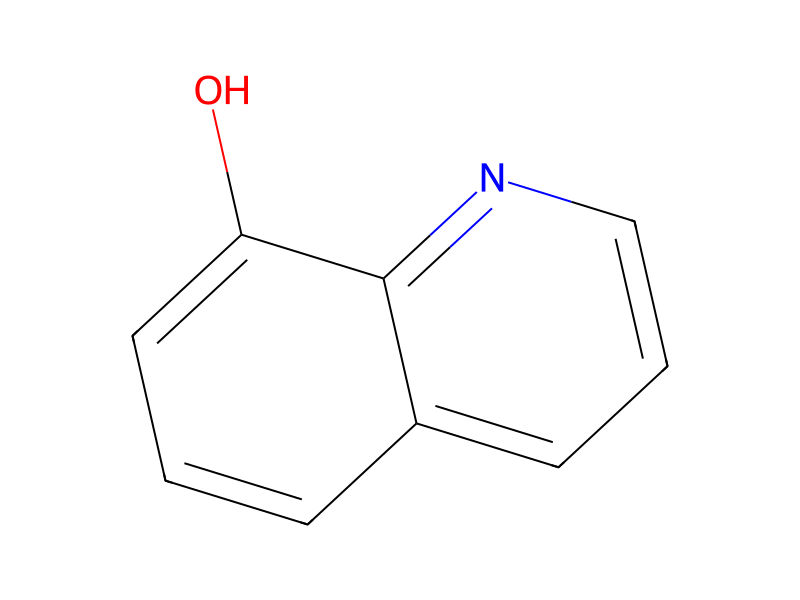
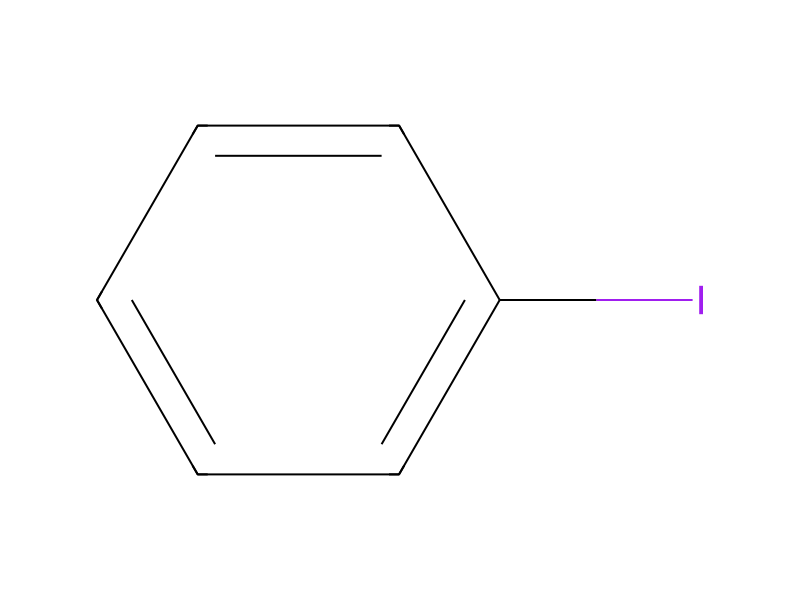
[N+:1]([C:4]1[CH:5]=[N:6][NH:7][CH:8]=1)([O-:3])=[O:2].I[C:10]1[CH:15]=[CH:14][CH:13]=[CH:12][CH:11]=1.OC1C=CC=C2C=1N=CC=C2.C([O-])([O-])=O.[K+].[K+]>CS(C)=O.[Cu]I.O>[N+:1]([C:4]1[CH:5]=[N:6][N:7]([C:10]2[CH:15]=[CH:14][CH:13]=[CH:12][CH:11]=2)[CH:8]=1)([O-:3])=[O:2]Participants
8
Reactant 4


Product 1

Reagents, catalysts & solvents 3



Procedure
A mixture of 4-nitropyrazole (270 mg, 2.38 mmol), iodobenzene (485 mg, 2.38 mmol), 8-hydroxyquinoline (60 mg, 0.41 mmol) and K2CO3 (600 mg, 4.34 mmol) in DMSO (3 mL) was degassed with argon before being charged with CuI (45 mg, 0.23 mmol). The mixture in a sealed tube was heated at 130 C for 20 h. Water was added to induce precipitation. The precipitate was collected to give 4-nitro-1-phenyl-1H-pyrazole (454 mg).
Workup
- customwas degassed with argon
- temperatureThe mixture in a sealed tube was heated at 130 C for 20 h
- customprecipitation
- customThe precipitate was collected
Sources & evidence
- ORD record
- ord-144a2bf57523423d934f3d09c291062b
- Source dataset
- uspto-grants-2012_11
- Patent number
- US08318755B2
Reaction notes
Loading…