Cesium carbonate → 4-Methoxybenzyl (3-bromophenyl)acetate
Reaction equation

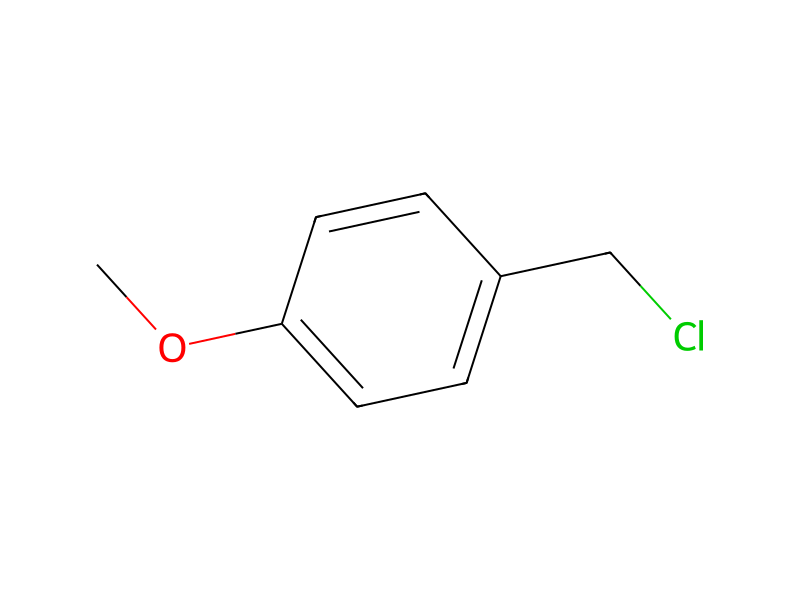
[Br:1][C:2]1[CH:3]=[C:4]([CH2:8][C:9]([OH:11])=[O:10])[CH:5]=[CH:6][CH:7]=1.C(=O)([O-])[O-].[Cs+].[Cs+].[CH3:18][O:19][C:20]1[CH:27]=[CH:26][C:23]([CH2:24]Cl)=[CH:22][CH:21]=1>CN(C=O)C>[Br:1][C:2]1[CH:3]=[C:4]([CH2:8][C:9]([O:11][CH2:24][C:23]2[CH:26]=[CH:27][C:20]([O:19][CH3:18])=[CH:21][CH:22]=2)=[O:10])[CH:5]=[CH:6][CH:7]=1Participants
5
Reactant 3

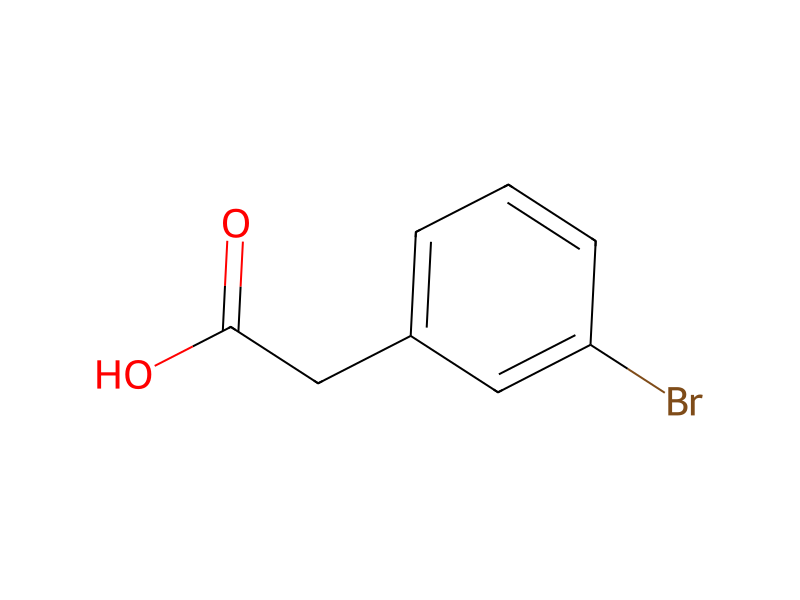
Product 1

Reagents, catalysts & solvents 1

Procedure
A DMF (30 mL) solution of (3-bromophenyl)acetic acid (2.5 g, 11.6 mmol), cesium carbonate (3.78 g, 11.6 mmol) and 4-methoxybenzyl chloride (1.82 g, 11.6 mmol) was stirred overnight at room temperature. The solution was then partitioned between ethyl acetate and water. The organic phase was washed with water (3×), brine and dried over magnesium sulfate. The solution was filtered, concentrated and the residue purified by silica gel chromatography using a hexanes/ethyl acetate gradient to give the title compound. 1H NMR (400 MHz, CDCl3): δ 7.43-7.39 (m, 2H); 7.29-7.24 (m, 2H); 7.20-7.16 (m, 2H); 6.90-6.86 (m, 2H); 5.07 (s, 2H); 3.81 (s, 3H); 3.60 (s, 2H). LCMS1 3.70 min.
Workup
- customThe solution was then partitioned between ethyl acetate and water
- washThe organic phase was washed with water (3×), brine
- dry with materialdried over magnesium sulfate
- filtrationThe solution was filtered
- concentrationconcentrated
- customthe residue purified by silica gel chromatography
Sources & evidence
- ORD record
- ord-df83517b623849eaaa1a7849219003e3
- Source dataset
- uspto-grants-2012_11
- Patent number
- US08318760B2
Reaction notes
Loading…