Trifluoroacetic acid → 2-(3-Bromophenyl)-3-[4-(methoxycarbonyl)phenyl]butanoic acid
Reaction equation

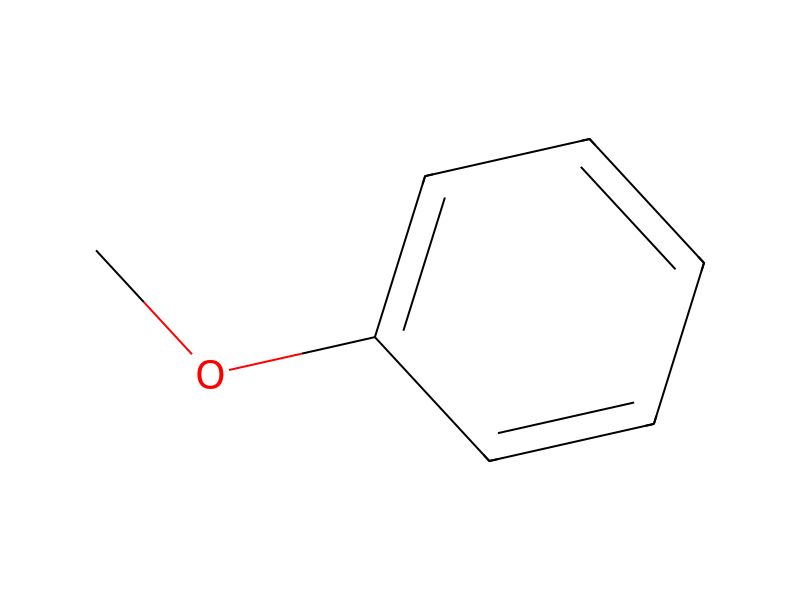
[Br:1][C:2]1[CH:3]=[C:4]([CH:8]([C:21]([O:23]CC2C=CC(OC)=CC=2)=[O:22])[CH:9]([C:11]2[CH:20]=[CH:19][C:14]([C:15]([O:17][CH3:18])=[O:16])=[CH:13][CH:12]=2)[CH3:10])[CH:5]=[CH:6][CH:7]=1.COC1C=CC=CC=1.FC(F)(F)C(O)=O>>[Br:1][C:2]1[CH:3]=[C:4]([CH:8]([CH:9]([C:11]2[CH:12]=[CH:13][C:14]([C:15]([O:17][CH3:18])=[O:16])=[CH:19][CH:20]=2)[CH3:10])[C:21]([OH:23])=[O:22])[CH:5]=[CH:6][CH:7]=1Participants
4



Procedure
The intermediate from Step B (0.8 g, 1.6 mmol) was treated with 4-methoxy benzene (2 mL) and trifluoroacetic acid (15 mL). After stirring for 1.5 hours the solution was concentrated and the residue purified by silica gel chromatography using a hexanes/ethyl acetate gradient (containing 0.05% acetic acid) to give the title compounds as mixture of diastereomers. 1H NMR (400 MHz, CDCl3): selected data δ3.90 (s); 3.85 (s); 3.72-3.64 (m); 3.52-3.42 (m); 1.39 (d, J=6.8 Hz); 1.03 (d, J=7.0 Hz). LCMS1 3.34 min. (M+H)=377. LCMS1 3.57 min. (N+H)=377.
Workup
- concentrationwas concentrated
- customthe residue purified by silica gel chromatography
- additiona hexanes/ethyl acetate gradient (containing 0.05% acetic acid)
Sources & evidence
- ORD record
- ord-8a25e41668fe4c9e87508030f5d77f1d
- Source dataset
- uspto-grants-2012_11
- Patent number
- US08318760B2
Reaction notes
Loading…