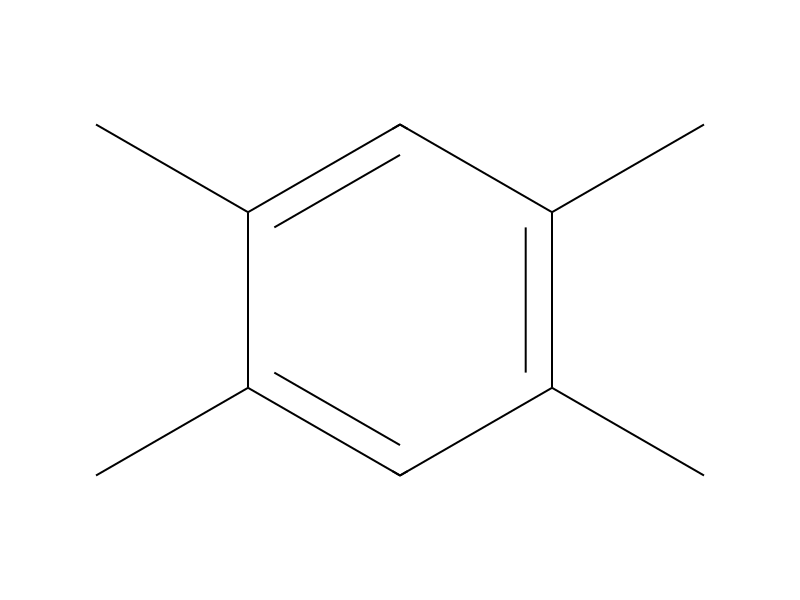
Durene → 1,1-Diphenylbutane
Reaction equation

C(O[SiH](O[CH2:9][CH3:10])OCC)C.[C:11]1([C:13](=[CH:15][C:16](=[C:18]([CH:20]=1)C)C)C)[CH3:12]>>[C:11]1([CH:12]([C:10]2[CH:9]=[CH:18][CH:20]=[CH:11][CH:12]=2)[CH2:13][CH2:15][CH3:16])[CH:20]=[CH:18][CH:16]=[CH:15][CH:13]=1Participants
3
Reactant 2
Product 1

Procedure
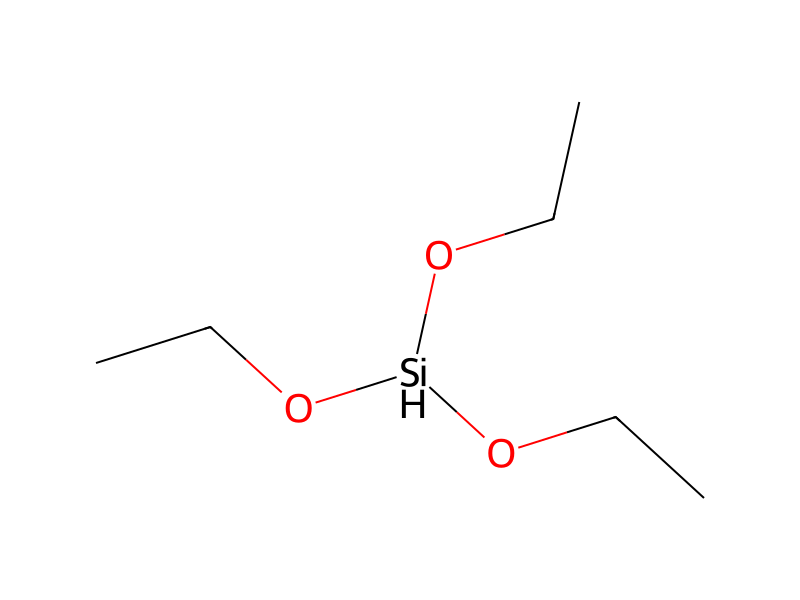
Triethoxisilane (compound 2, 0.6 mmol) instead of pentamethyldisiloxane was used for the same reaction to Example 14A. 1H-NMR analysis with durene as an internal standard material without isolation of products showed that (4,4-diphenylbuthyl) triethoxysilane (compound 3) was produced with the yield of 85%, and 1,1-diphenylbutane (compound 4) was produced with the yield of 6%.
Workup
- customwas produced with the yield of 85%
Sources & evidence
- ORD record
- ord-917aa428d7844a5aaa678c34858fb67e
- Source dataset
- uspto-grants-2012_11
- Patent number
- US08318967B2
Reaction notes
Loading…