Hydrochloric Acid → HCID 21906432, compound
Reaction equation

[Cl:1][C:2]1[CH:3]=[CH:4][C:5]([NH:8][C:9](=[O:26])[C:10]2[CH:15]=[CH:14][CH:13]=[CH:12][C:11]=2[NH:16][C:17]([O:19][CH:20]2[CH2:25][CH2:24][NH:23][CH2:22][CH2:21]2)=[O:18])=[N:6][CH:7]=1.[C:27]1(=O)[CH2:31][CH2:30][CH2:29][CH2:28]1.C([BH3-])#N.[Na+].Cl>>[ClH:1].[Cl:1][C:2]1[CH:3]=[CH:4][C:5]([NH:8][C:9](=[O:26])[C:10]2[CH:15]=[CH:14][CH:13]=[CH:12][C:11]=2[NH:16][C:17]([O:19][CH:20]2[CH2:21][CH2:22][N:23]([CH:27]3[CH2:31][CH2:30][CH2:29][CH2:28]3)[CH2:24][CH2:25]2)=[O:18])=[N:6][CH:7]=1Participants
5

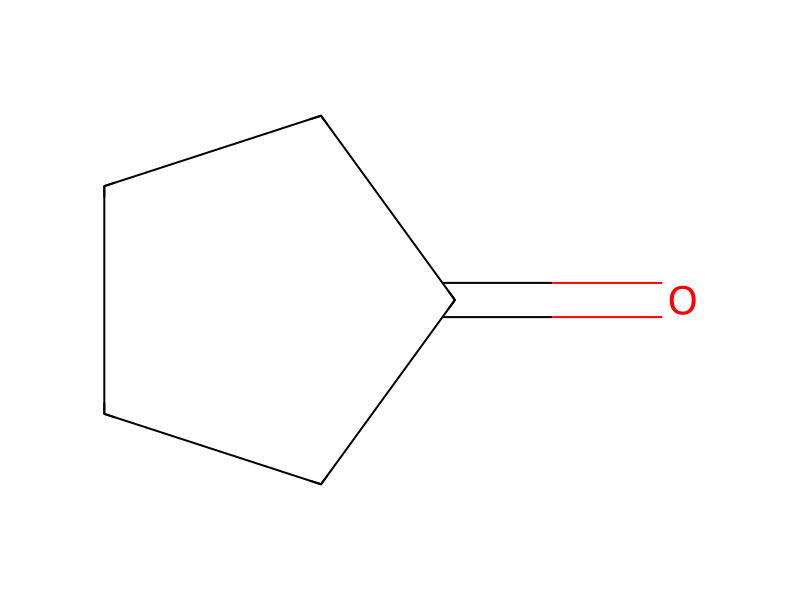



Procedure
Using a similar procedure to that described in Example 9-C, N-(5-chloropyridin-2-yl)-2-[(piperidin-4-yloxy-carbonyl)amino]benzamide (100 mg, 0.205 mmol), cyclopentanone (0.091 mL, 1.02 mmol), and sodium cyanoborohydride (51 mg, 0.82 mmol) yielded, after treatment with HCl, 60 mg (60%) of the title compound as a hydrochloride salt.
Workup
- customyielded
Sources & evidence
- ORD record
- ord-c3faa26d7392440faf1bd87ce6a82bda
- Source dataset
- uspto-grants-2004_07
- Patent number
- US06759414B2
Reaction notes
Loading…