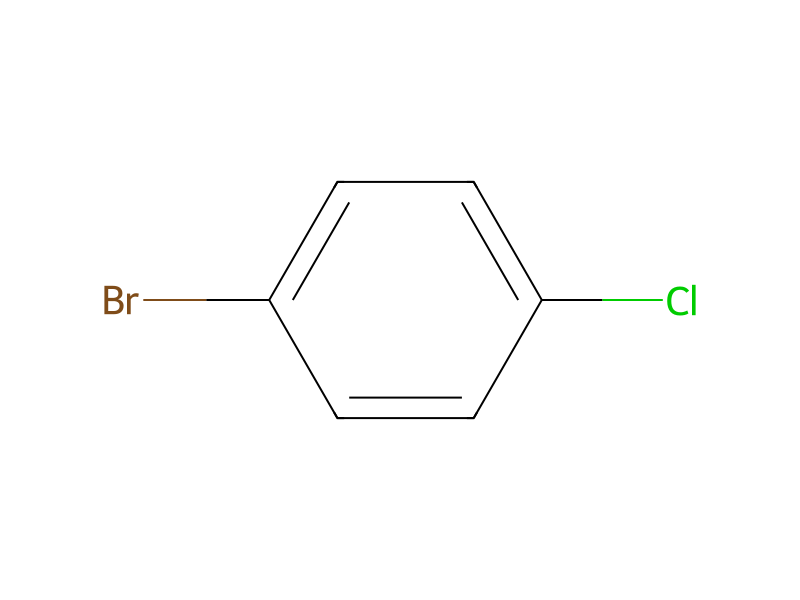
p-Bromochlorobenzene → tert-butyl N-(4-chlorophenyl)carbamate
Reaction equation

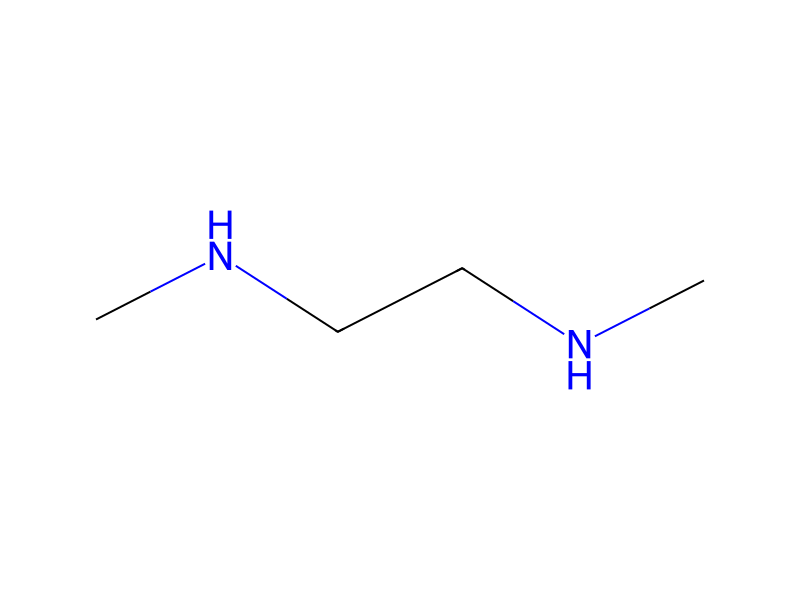
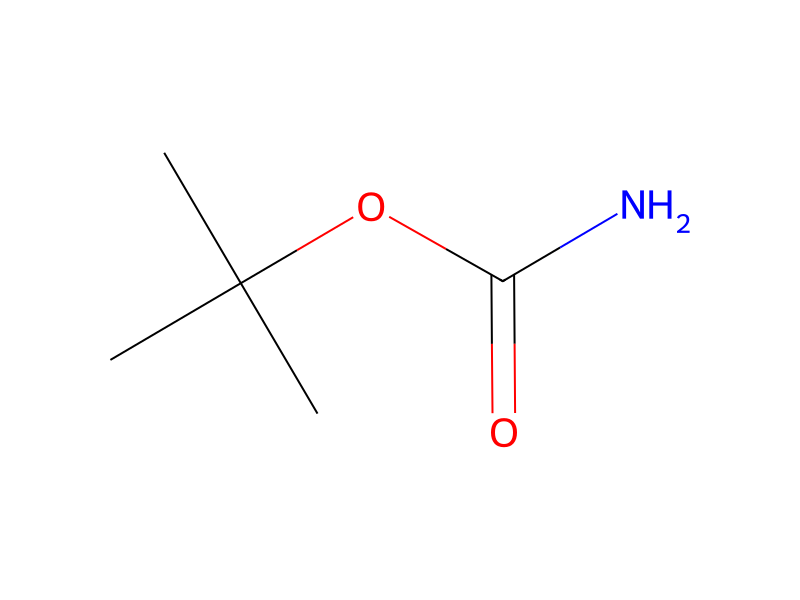
Br[C:2]1[CH:7]=[CH:6][C:5]([Cl:8])=[CH:4][CH:3]=1.[C:9](=[O:16])([O:11][C:12]([CH3:15])([CH3:14])[CH3:13])[NH2:10].C([O-])([O-])=O.[K+].[K+].CNCCNC>[Cu]I.C1(C)C=CC=CC=1>[C:12]([O:11][C:9]([NH:10][C:2]1[CH:7]=[CH:6][C:5]([Cl:8])=[CH:4][CH:3]=1)=[O:16])([CH3:15])([CH3:14])[CH3:13]Participants
Reactant 4

Product 1

Reagents, catalysts & solvents 2


Conditions
- Temperature
- 110 °C
Procedure
A Schlenk tube was charged with CuI (9.6 mg, 0.050 mmol, 5.0 mol %), 4-bromo-1-chlorobenzene (192 mg, 1.00 mmol), tert-butyl carbamate (142 mg, 1.21 mmol), K2CO3 (280 mg, 2.03 mmol), briefly evacuated and backfilled with argon. N,N′-Dimethylethylenediamine (11 μL, 0.10 mmol, 10 mol %) and toluene (1.0 mL) were added under argon. The Schlenk tube was sealed with a Teflon valve and the reaction mixture was stirred at 110° C. for 23 h. The resulting pale blue suspension was allowed to reach room temperature and filtered through a 0.5×cm pad of silica gel eluting with ethyl acetate (10 mL). The filtrate was concentrated and the residue was purified by flash chromatography on silica gel (2×20 cm; hexane-ethyl acetate 9:1; 15 mL fractions). Fractions 12-22 provided 178 mg (78% yield) of the product as white crystals.
Workup
- custombriefly evacuated
- customThe Schlenk tube was sealed with a Teflon valve
- customto reach room temperature
- filtrationfiltered through a 0.5×cm pad of silica gel eluting with ethyl acetate (10 mL)
- concentrationThe filtrate was concentrated
- customthe residue was purified by flash chromatography on silica gel (2×20 cm; hexane-ethyl acetate 9:1; 15 mL fractions)
Sources & evidence
- ORD record
- ord-0f341385e4244e4593625530a74f5c59
- Source dataset
- uspto-grants-2004_07
- Patent number
- US06759554B2
Reaction notes
Loading…