Dimethylformamide → 2-Methyl-5-phenylbenzylisocyanate
Reaction equation

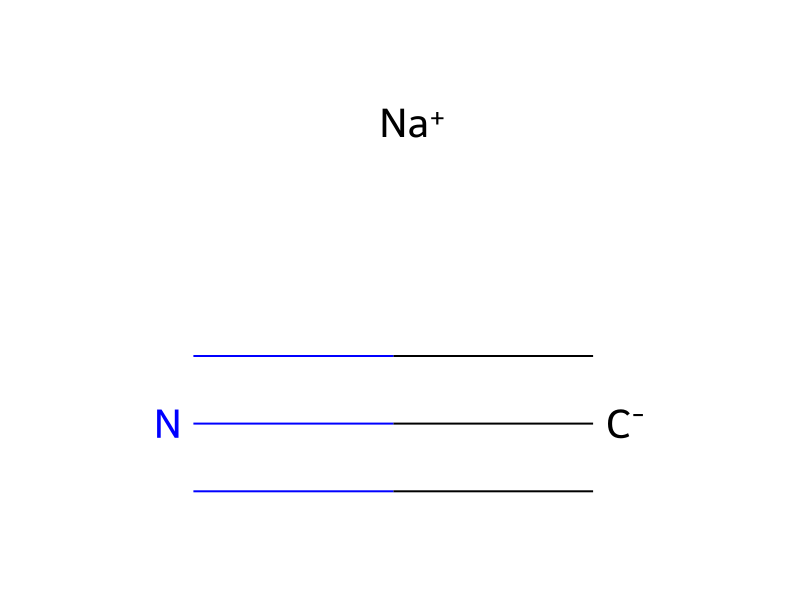
[CH3:1][C:2]1[CH:9]=[CH:8][C:7]([C:10]2[CH:15]=[CH:14][CH:13]=[CH:12][CH:11]=2)=[CH:6][C:3]=1[CH2:4]Br.[C-]#N.[Na+].C[N:20](C)[CH:21]=[O:22]>>[CH3:1][C:2]1[CH:9]=[CH:8][C:7]([C:10]2[CH:15]=[CH:14][CH:13]=[CH:12][CH:11]=2)=[CH:6][C:3]=1[CH2:4][N:20]=[C:21]=[O:22]Participants



Conditions
- Temperature
- 100 °C
Procedure
3.0 g (11.6 mmol) of 2-methyl-5-phenylbenzyl bromide (produced in the same manner as in Reference Production Example 1 (5)) was dissolved in 5 ml of anhydrous N,N-dimethylformamide, and to this solution was added 1.13 g (17.3 mmol) of sodium cyanide, and the mixture was stirred for 3 hours at 100° C., to obtain a 2-methyl-5-phenylbenzyl isocyanate solution. To this solution was added 5 ml of toluene, then, the solution was cooled to 0° C., and to this was slowly dropped 550 mg (11.9 mmol) of methylhydrazine. Further, the mixture was stirred for 3 hours at room temperature, and to this reaction mixture was added water, and the mixture was extracted with chloroform. The organic layer was washed with saturated saline, then, dried over anhydrous magnesium sulfate, and concentrated. The residue was subjected to silica gel column chromatography (eluant: ethyl acetate/methanol=9/1 (v/v)), to obtain 1.24 g of 2-methyl-4-(2-methyl-5-phenylbenzyl) semicarbazide.
Sources & evidence
- ORD record
- ord-6a3e9fe07cbe4fddb39ada7aa18f6e35
- Source dataset
- uspto-grants-2004_07
- Patent number
- US06762197B2
Reaction notes
Loading…