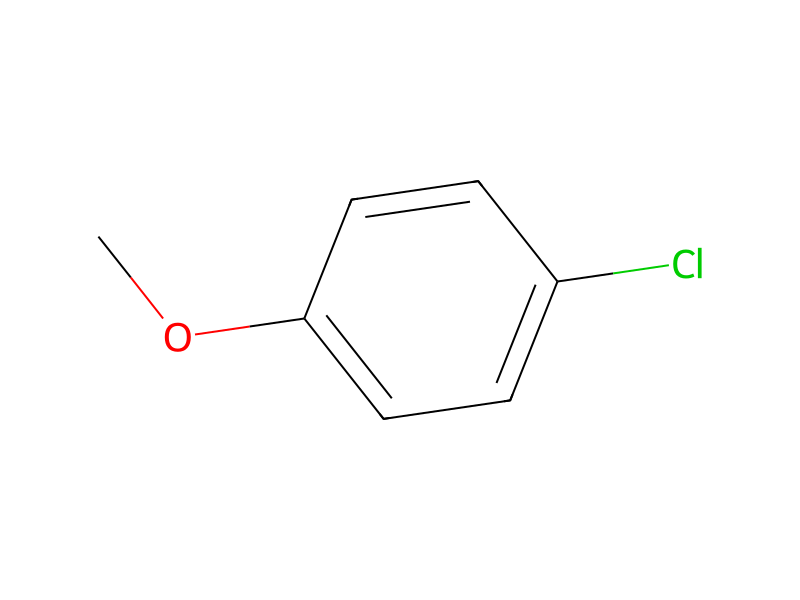
4-Chloroanisole → 4-Methoxybiphenyl
Reaction equation

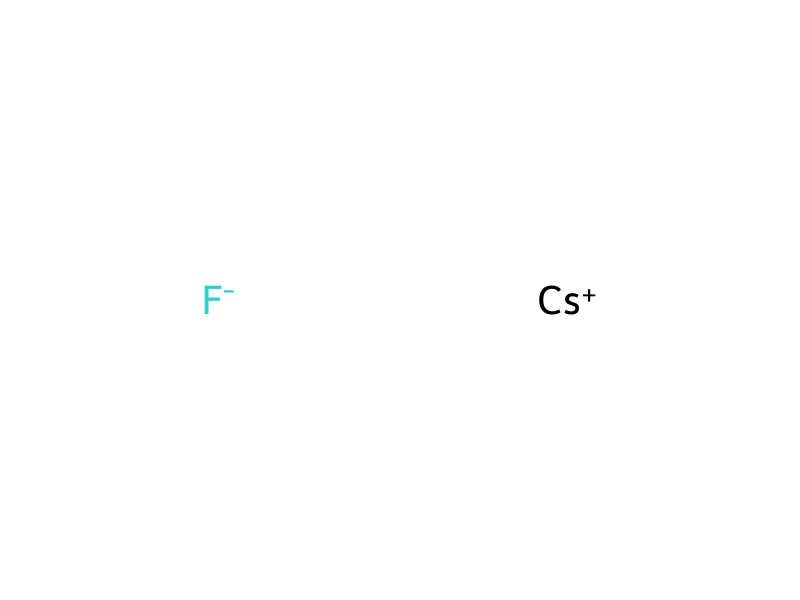
Cl[C:2]1[CH:7]=[CH:6][C:5]([O:8][CH3:9])=[CH:4][CH:3]=1.[C:10]1(B(O)O)[CH:15]=[CH:14][CH:13]=[CH:12][CH:11]=1.[F-].[Cs+]>C1C=CC(/C=C/C(/C=C/C2C=CC=CC=2)=O)=CC=1.C1C=CC(/C=C/C(/C=C/C2C=CC=CC=2)=O)=CC=1.C1C=CC(/C=C/C(/C=C/C2C=CC=CC=2)=O)=CC=1.[Pd].[Pd].O1CCOCC1>[C:10]1([C:2]2[CH:7]=[CH:6][C:5]([O:8][CH3:9])=[CH:4][CH:3]=2)[CH:15]=[CH:14][CH:13]=[CH:12][CH:11]=1Participants
Reactant 3

Product 1

Reagents, catalysts & solvents 2


Procedure
In the drybox, 9.6 mg (0.058 mmol) of (Me3C)2PH(O) from Experiment 2, 13.3 mg (0.0145 mmol) of Pd2(dba)3 and 3.0 mL of 1,4-dioxane were loaded into a reactor (20 mL) equipped with a magnetic stir bar. The resulting mixture was stirred at room temperature overnight. Next, 143.0 mg (1.0 mm) of 4-chloroanisole, 182.9 mg (1.5 mm) of PhB(OH)2 and 456 mg (3.0 mmol) of CsF were added into the reactor. The resulting mixture was refluxed for 24 h. The reaction mixture was then cooled to room temperature, chromatographed on silicon gel using ethyl acetate/hexane (5% volume ratio) as eluant. The eluate was concentrated by rotary evaporation followed by high vacuum to yield 179 mg (97% yield) of 4-phenylanisole. It was >95% pure by 1H NMR and GC/MS. 1H NMR (500 MHz, CDCl3): δ7.45 (m, 4H), 7.32 (m, 2H), 7.21 (m, 1H), 6.88 (d, J=8.72 Hz, 2H), 3.74 (s, 3H) ppm. 13C NMR (125 MHz, CDCl3): δ159.2, 140.8, 133.8, 128.7, 128.1, 126.7, 126.6, 114.2, 55.3 ppm.
Workup
- custom(20 mL) equipped with a magnetic stir bar
- temperatureThe resulting mixture was refluxed for 24 h
- temperatureThe reaction mixture was then cooled to room temperature
- customchromatographed on silicon gel
- concentrationThe eluate was concentrated by rotary evaporation
Sources & evidence
- ORD record
- ord-0b48949a68af4f3aaaca5ff34e09e0ff
- Source dataset
- uspto-grants-2004_07
- Patent number
- US06762330B2
Reaction notes
Loading…