4-Chlorotoluene → 4-Methylbiphenyl
Reaction equation

P.Cl[C:3]1[CH:8]=[CH:7][C:6]([CH3:9])=[CH:5][CH:4]=1.[C:10]1(B(O)O)[CH:15]=[CH:14][CH:13]=[CH:12][CH:11]=1.[F-].[Cs+]>CC([O-])=O.CC([O-])=O.[Pd+2].O1CCOCC1>[C:10]1([C:3]2[CH:8]=[CH:7][C:6]([CH3:9])=[CH:5][CH:4]=2)[CH:15]=[CH:14][CH:13]=[CH:12][CH:11]=1Participants
Reactant 4
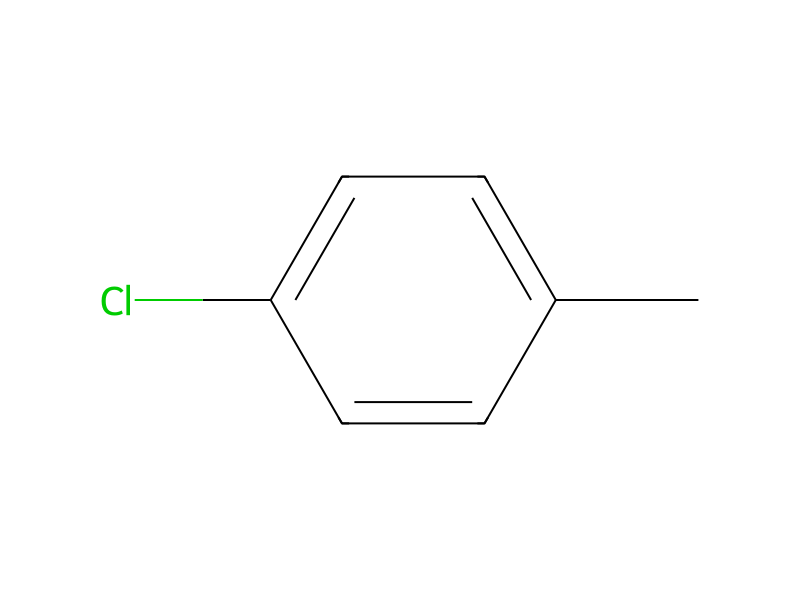

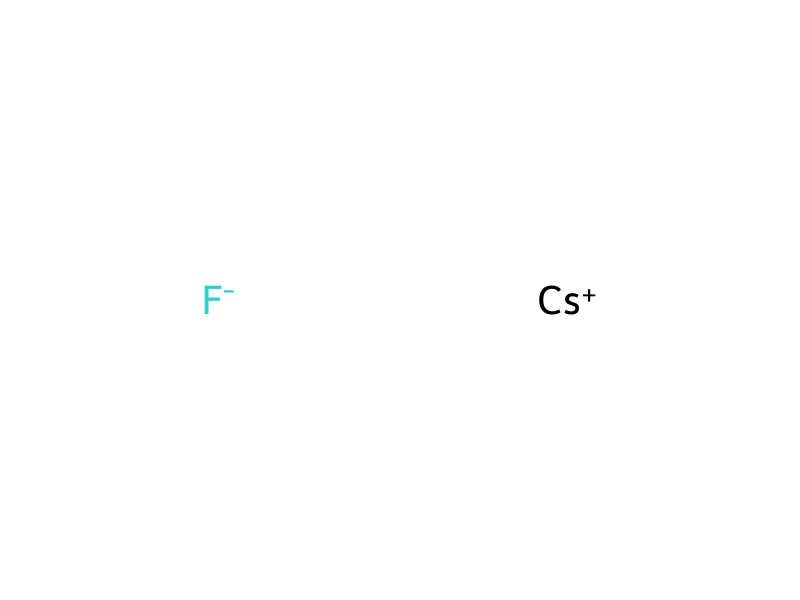

Product 1

Reagents, catalysts & solvents 2


Procedure
A 500 mL of round-bottomed flask equipped with magnetic stir bar was charged with 1.00 g (6.06 mm) of (Me3C)2PH(O), 670 mg (2.98 mm) of Pd(OAc)2 and 100 mL of 1,4-dioxane. The resulting mixture was then heated to a gentle reflux under open-to-air condition for 2 h. The phosphorus-31 NMR spectrum of the reaction mixture showed only the δ123.0 (singlet) resonance, and no unchanged (Me3C)2PH(O). Next, 112.659 g (100.0 mm) of 4-chlorotoluene, 113.41 g (110.0 mm) of PhB(OH)2 and 22.785 g (150 mm) of CsF were added into the flask. The resulting mixture was refluxed for 18 h. The reaction mixture was then cooled to room temperature, quenched with 200 mL of H2O, and extracted with diethyl ether (2×300 mL). The organic extracts were washed with H2O (2×250 mL), brine (250 mL), and dried over mgSO4, filtered, and the ether and dioxane removed from the filtrate by rotary evaporation. The resulting residue was chromatographed on silicon gel using hexane as eluant. The eluate was concentrated by rotary evaporation followed by high vacuum to yield 4-phenyltoluene.
Workup
- customA 500 mL of round-bottomed flask equipped with magnetic stir bar
- temperatureThe resulting mixture was then heated to
- temperaturea gentle reflux under open-to-air condition for 2 h
- temperatureThe resulting mixture was refluxed for 18 h
- customquenched with 200 mL of H2O
- extractionextracted with diethyl ether (2×300 mL)
- washThe organic extracts were washed with H2O (2×250 mL), brine (250 mL)
- customdried over mgSO4
- filtrationfiltered
- customthe ether and dioxane removed from the filtrate by rotary evaporation
- customThe resulting residue was chromatographed on silicon gel
- concentrationThe eluate was concentrated by rotary evaporation
Sources & evidence
- ORD record
- ord-712f25d1bef54291b40a2acee72a04dc
- Source dataset
- uspto-grants-2004_07
- Patent number
- US06762330B2
Reaction notes
Loading…