Beta-Alanine → 2-Benzylidene-4-methyl-3-oxo-N-phenylpentanamide
Reaction equation

[CH3:1][CH:2]([CH3:15])[C:3](=[O:14])[CH2:4][C:5]([NH:7][C:8]1[CH:13]=[CH:12][CH:11]=[CH:10][CH:9]=1)=[O:6].CC(C)C(=O)CC(OC)=O.NC1C=CC=CC=1.C(N)CN.[CH:37](=O)[C:38]1[CH:43]=[CH:42][CH:41]=[CH:40][CH:39]=1.N1CCCCC1.NCCC(O)=O>C1(C)C=CC=CC=1.O.CCCCCC.CCCCCCC.C(O)(=O)C>[CH3:1][CH:2]([CH3:15])[C:3](=[O:14])[C:4](=[CH:37][C:38]1[CH:43]=[CH:42][CH:41]=[CH:40][CH:39]=1)[C:5]([NH:7][C:8]1[CH:13]=[CH:12][CH:11]=[CH:10][CH:9]=1)=[O:6]Participants
Reactant 7






Product 1

Reagents, catalysts & solvents 5





Procedure
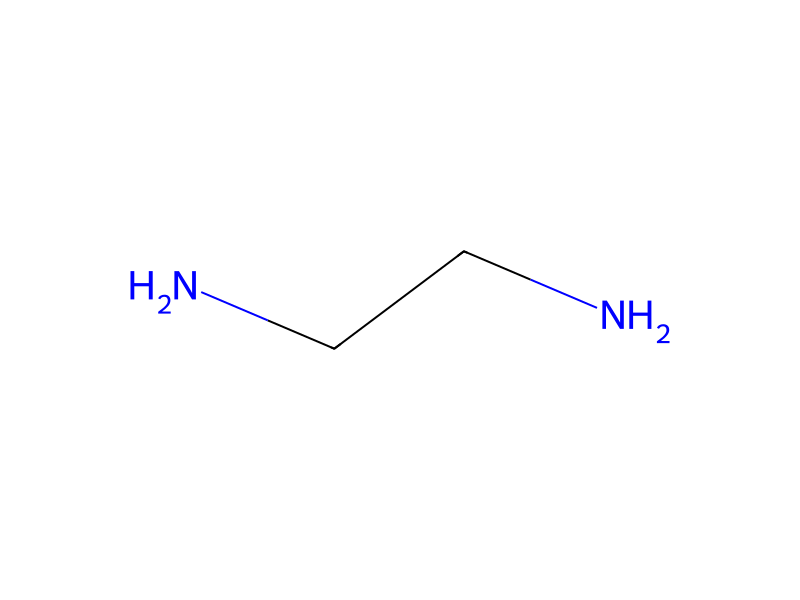
4-Methyl-3-oxo-N-phenylpentanamide (XIX) is obtained by heating a mixture of methyl 4-methyl-3-oxopentanoate (XX), aniline and ethylene diamine in toluene. 4-Methyl-3-oxo-N-phenylpentanamide (XIX) is subsequently reacted with benzaldehyde in the presence of a catalyst such as, for example, piperidine and glacial acetic acid, ethylene diamine and glacial acetic acid, β-alanine and glacial acetic acid, and the like in an inert solvent such as, for example, toluene, heptane, hexane, and the like for about 24 to about 36 hours at about 60° to about 120° C. with the removal of water to afford 4-methyl-3-oxo-N-phenyl-2-(phenylmethylene)pentanamide (XVIIl). Preferably the reaction is carried out with β-alanine and glacial acetic acid at reflux for about 24 hours in hexane. The 4-methyl-3-oxo-N-phenyl-2-(phenylmethylene)pentanamide (XVI) is reacted with 4-fluorobenzaldehyde in the presence of a catalyst such as, for example, 3-benzyl-5-(2-hydroxyethyl)-4-methylthiazolium chloride, 3,4-dimethyl-5-(2-hydroxyethyl)thiazolium iodide, 3-ethyl-5-(2-hydroxyethyl)-4-methylthiazolium bromide, thiamine hydrochloride, and the like, and a base such as, for example, N,N-diisopropylethylamine, pyridine, N,N-dimethylaniine, triethylamine, 1,8-diazabicyclo[5.4.0]undec-7-ene (DBU), 1,4-diazabicyclo[2.2.2]octane (DABCO), 4-dimethylaminopyridine (DMAP), N,N,N',N'-tetramethylethylenediamine (TMEDA) and the like, either neat or in the presence of a solvent such as, for example, tetrahydrofuran, tertiary-butyl methyl ether, ethanol, dimethylformamide, dimethylsulfoxide, N-methylpyrrolidone, acetonitrile, methylisobutyl ketone, ethyl acetate, isopropanol, pyridine and the like for about 20 to about 30 hours under anhydrous conditions at about room temperature to about the reflux temperature of the solvent to afford the compound of Formula XVII.
Workup
- temperatureby heating
- customlike for about 24 to about 36 hours
- customat about 60° to about 120° C.
Sources & evidence
- ORD record
- ord-83111156d89d492682844aad4ae169e9
- Source dataset
- uspto-grants-1992_09
- Patent number
- US05149837
Reaction notes
Loading…