Hydrochloric Acid → 2-amino-1-((4-fluorophenyl)methyl)-1H-benzimidazole
Reaction equation

[F:1][C:2]1[CH:7]=[CH:6][C:5]([CH2:8][NH:9][C:10]2[C:11]([NH2:16])=[CH:12][CH:13]=[CH:14][CH:15]=2)=[CH:4][CH:3]=1.Cl.[N:18]#[C:19]N.[OH-].[Na+]>O.CN(C)C=O.ClC(Cl)Cl>[F:1][C:2]1[CH:3]=[CH:4][C:5]([CH2:8][N:9]2[C:10]3[CH:15]=[CH:14][CH:13]=[CH:12][C:11]=3[N:16]=[C:19]2[NH2:18])=[CH:6][CH:7]=1Participants
Reactant 4

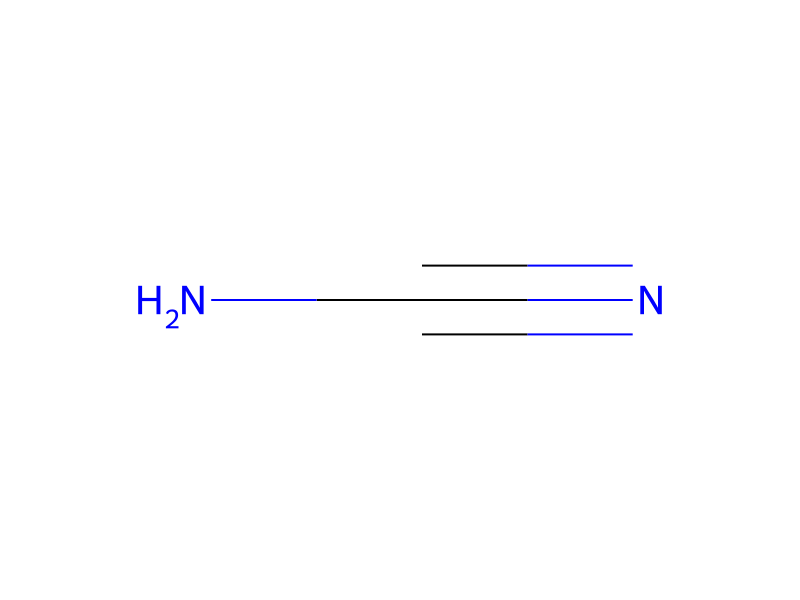


Product 1

Reagents, catalysts & solvents 3



Conditions
- Temperature
- 100 °C
Procedure
To a stirred mixture of 23.5 parts of N-(4-fluorophenylmethyl)-1,2-benzenediamine and 14.4 parts of concentrated hydrochloric acid were added dropwise 9 parts of cyanamide at 100° C. After stirring for 3 hours at 100° C., there were added dropwise 10.5 parts of a sodium hydroxide solution 50%. Upon completion, stirring was continued overnight at reflux temperature. The reaction mixture was cooled and taken up in a mixture of water, trichloromethane and N,N-dimethylformamide. The organic phase was separated, dried, filtered and evaporated. The residue was stirred in trichloromethane. The product was filtered off and crystallized from trichloromethane, yielding 2.5 parts (9.5%) of 1-(4-fluorophenylmethyl)-1H-benzimidazol-2-amine; mp. 189.5° C. (int. 31).
Workup
- stirringUpon completion, stirring
- waitwas continued overnight
- temperatureat reflux temperature
- temperatureThe reaction mixture was cooled
- customThe organic phase was separated
- customdried
- filtrationfiltered
- customevaporated
- stirringThe residue was stirred in trichloromethane
- filtrationThe product was filtered off
- customcrystallized from trichloromethane
Sources & evidence
- ORD record
- ord-e986c530e2a64602be14f94c675216fb
- Source dataset
- uspto-grants-1992_09
- Patent number
- US05151424
Reaction notes
Loading…