Tetrahydrofuran → HCID 15037539, compound
Reaction equation

[AlH4-].[Li+].O1CCCC1.[NH:8]1[C:12]2[CH:13]=[CH:14][CH:15]=[CH:16][C:11]=2[N:10]=[C:9]1[NH:17][CH:18]1[CH2:24][CH2:23][CH2:22][N:21]([C:25](OCC)=O)[CH2:20][CH2:19]1.[OH-].[Na+]>O.C(OCC)(=O)C>[CH3:25][N:21]1[CH2:22][CH2:23][CH2:24][CH:18]([NH:17][C:9]2[NH:8][C:12]3[CH:13]=[CH:14][CH:15]=[CH:16][C:11]=3[N:10]=2)[CH2:19][CH2:20]1Participants






Procedure
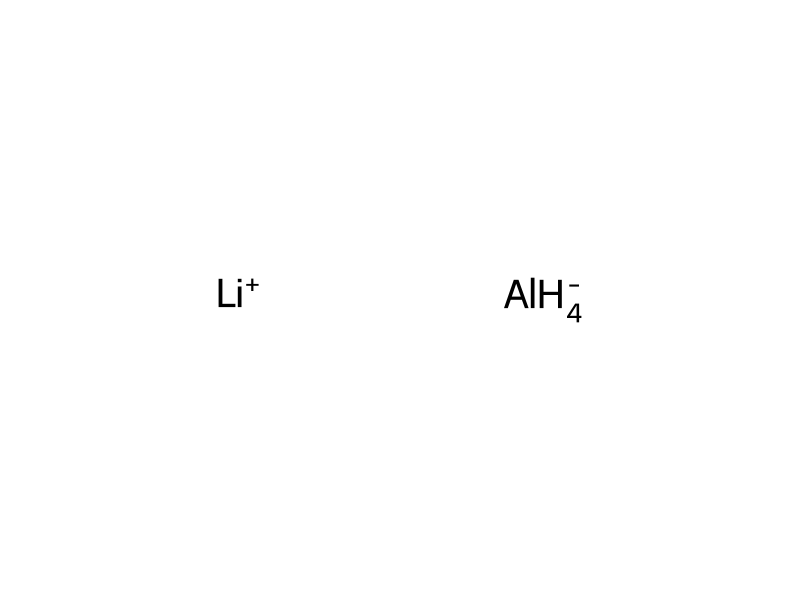
To a stirred and heated (50° C.) mixture of 6.4 parts of lithium tetrahydroaluminate and 450 parts of tetrahydrofuran were added portionwise 23.5 parts of ethyl 4-(1H-benzimidazol-2-ylamino)hexahydro-1H-azepine-1-carboxylate under nitrogen atmosphere. Upon complete addition, stirring was continued for 2 hours at reflux temperature. The reaction mixture was decomposed with ethyl acetate, 30 parts of a sodium hydroxide solution and 30 parts of water. The whole was filtered over diatomaceous earth and the filtrate was evaporated. The residue was crystallized from acetonitrile. The product was filtered off and dried, yielding 10.5 parts (55.0%) of N-(hexahydro-1-methyl-1H-azepin-4-yl)-1H-benzimidazol-2-amine; mp. 168.3° C. (compound 213).
Workup
- temperatureheated
- additionUpon complete addition
- stirringstirring
- temperatureat reflux temperature
- filtrationThe whole was filtered over diatomaceous earth
- customthe filtrate was evaporated
- customThe residue was crystallized from acetonitrile
- filtrationThe product was filtered off
- customdried
Sources & evidence
- ORD record
- ord-c62307724cc14601b58e116d78358021
- Source dataset
- uspto-grants-1992_09
- Patent number
- US05151424
Reaction notes
Loading…