Triethylamine → Methyl 1H-pyrazolo[4,3-B]pyridine-6-carboxylate
Reaction equation

Br[C:2]1[CH:3]=[C:4]2[NH:10][N:9]=[CH:8][C:5]2=[N:6][CH:7]=1.C(N(CC)CC)C.C1(P(C2C=CC=CC=2)C2C=CC3C(=CC=CC=3)C=2C2C3C(=CC=CC=3)C=CC=2P(C2C=CC=CC=2)C2C=CC=CC=2)C=CC=CC=1.[C]=O.[C:66]([O:69][CH2:70]C)(=[O:68])C>CO.C(#N)C.[Pd](Cl)Cl.CCCCCC>[NH:10]1[C:4]2[C:5](=[N:6][CH:7]=[C:2]([C:66]([O:69][CH3:70])=[O:68])[CH:3]=2)[CH:8]=[N:9]1Participants
Reactant 5




Product 1

Reagents, catalysts & solvents 4




Conditions
- Temperature
- 100 °C
Procedure
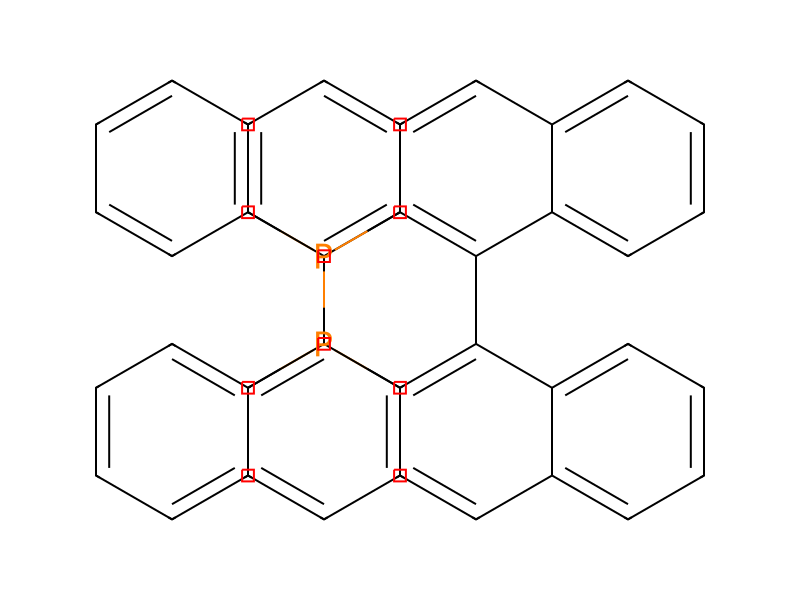
To a solution of 6-bromo-1H-pyrazolo[4,3-b]pyridine (5.5 g, 27.9 mmol) in methanol (125 mL) and acetonitrile (75 mL) was added triethylamine (22 mL, 156 mmol), 2,2′-bis(diphenylphosphino)-1,1′-binaphthyl (1.98 g, 3.07 mmol), palladium dichloride (1.23 g, 6.98 mmol). The mixture was placed under 20 bar of carbon monoxide, heated to 100° C., and stirred vigorously for 18 hours. The reaction mixture was cooled to ambient temperature and filtered through Celite® before the solvent was removed in vacuo to yield a brown oil. This crude oil was then punt led by flash column chromatography (1:1, ethyl acetate:hexane) to give methyl 1H-pyrazolo[4,3-b]pyridine-6-carboxylate as a pale yellow solid (4.52 g, 92% yield). 1HNMR (400, CDCl3) δ ppm 10.56 (s, 1H), 9.23 (s, 1H), 8.35 (s, 1H), 8.40 (s, 1H), 4.01 (s, 3H).
Workup
- temperatureThe reaction mixture was cooled to ambient temperature
- filtrationfiltered through Celite® before the solvent
- customwas removed in vacuo
- customto yield a brown oil
Sources & evidence
- ORD record
- ord-8d0477ee555f4bdf9cea21452fe7b318
- Source dataset
- uspto-grants-2013_08
- Patent number
- US08507681B2
Reaction notes
Loading…