Carbazole → 4-(9H-Carbazol-9-yl)aniline
Reaction equation

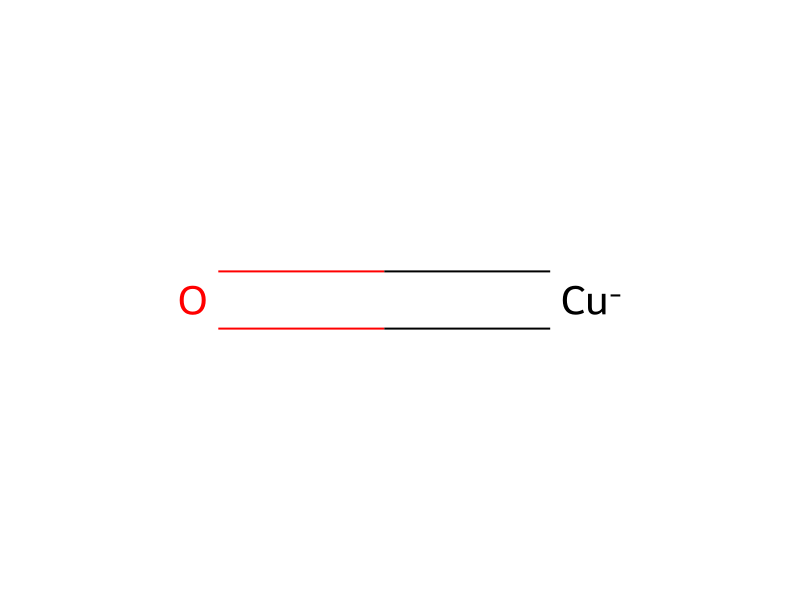
I[C:2]1[CH:7]=[CH:6][C:5]([NH2:8])=[CH:4][CH:3]=1.[CH:9]1[C:21]2[NH:20][C:19]3[C:14](=[CH:15][CH:16]=[CH:17][CH:18]=3)[C:13]=2[CH:12]=[CH:11][CH:10]=1>O(C1C=CC=CC=1)C1C=CC=CC=1.[Cu-]=O>[CH:18]1[C:19]2[N:20]([C:2]3[CH:7]=[CH:6][C:5]([NH2:8])=[CH:4][CH:3]=3)[C:21]3[C:13](=[CH:12][CH:11]=[CH:10][CH:9]=3)[C:14]=2[CH:15]=[CH:16][CH:17]=1Participants


Reagents, catalysts & solvents 2

Conditions
- Temperature
- 190 °C
Procedure
4-(9H-carbazol-9-yl)benzenamine (A) was prepared through the Ullmann Reaction following the procedures reported in the literature (Macromolecules 2004, 37, 5531-5537). A mixture of 4-iodobenzenamine (2.19 g, 10 mmol), copper (I) oxide (2.18 g, 20 mmol) and carbazole (3.35 g, 20 mmol) in 40 ml 1-phenoxybenzene was heated to 190° C. in an oil bath for 24 h under N2 atmosphere. The reaction mixture was cooled to room temperature and then filtered by fast silica gel column to remove excess copper complex and 1-phenoxybenzene. The filtrate was evaporated to dryness and passed through a silica gel column using hexane and ethyl acetate mixture (6:1) as eluent to give product, yielding 2.37 g (92%). 1H NMR (400 MHz, CDCl3): δ(ppm) 8.164-8.144 (d, J=8.0 Hz, 2H), 7.432-7.395 (t, J=8.0 Hz, 2H), 7.353-7.277 (m, 6H), 6.912-6.891 (d, J=7.6 Hz, 2H), 4.019 (w, 2H).
Workup
- temperatureThe reaction mixture was cooled to room temperature
- filtrationfiltered by fast silica gel column
- customto remove excess copper complex and 1-phenoxybenzene
- customThe filtrate was evaporated to dryness
- customto give product
- customyielding 2.37 g (92%)
Sources & evidence
- ORD record
- ord-29e679733c624d9ea5be3eeafa7bce08
- Source dataset
- uspto-grants-2013_08
- Patent number
- US08518559B2
Reaction notes
Loading…