Carbazole → 9-(9,10-diphenyl-2-anthryl)-9H-carbazole
Reaction equation

Br[C:2]1[CH:15]=[CH:14][C:13]2[C:4](=[C:5]([C:22]3[CH:27]=[CH:26][CH:25]=[CH:24][CH:23]=3)[C:6]3[C:11]([C:12]=2[C:16]2[CH:21]=[CH:20][CH:19]=[CH:18][CH:17]=2)=[CH:10][CH:9]=[CH:8][CH:7]=3)[CH:3]=1.[CH:28]1[C:40]2[NH:39][C:38]3[C:33](=[CH:34][CH:35]=[CH:36][CH:37]=3)[C:32]=2[CH:31]=[CH:30][CH:29]=1.CC(C)([O-])C.[Na+].C(P(C(C)(C)C)C(C)(C)C)(C)(C)C>C1C=CC(/C=C/C(/C=C/C2C=CC=CC=2)=O)=CC=1.C1C=CC(/C=C/C(/C=C/C2C=CC=CC=2)=O)=CC=1.[Pd].C1(C)C=CC=CC=1>[C:22]1([C:5]2[C:6]3[C:11]([C:12]([C:16]4[CH:17]=[CH:18][CH:19]=[CH:20][CH:21]=4)=[C:13]4[C:4]=2[CH:3]=[C:2]([N:39]2[C:38]5[CH:37]=[CH:36][CH:35]=[CH:34][C:33]=5[C:32]5[C:40]2=[CH:28][CH:29]=[CH:30][CH:31]=5)[CH:15]=[CH:14]4)=[CH:10][CH:9]=[CH:8][CH:7]=3)[CH:27]=[CH:26][CH:25]=[CH:24][CH:23]=1Participants
Reactant 4


Product 1

Reagents, catalysts & solvents 2

Conditions
- Temperature
- 110 °C
Procedure
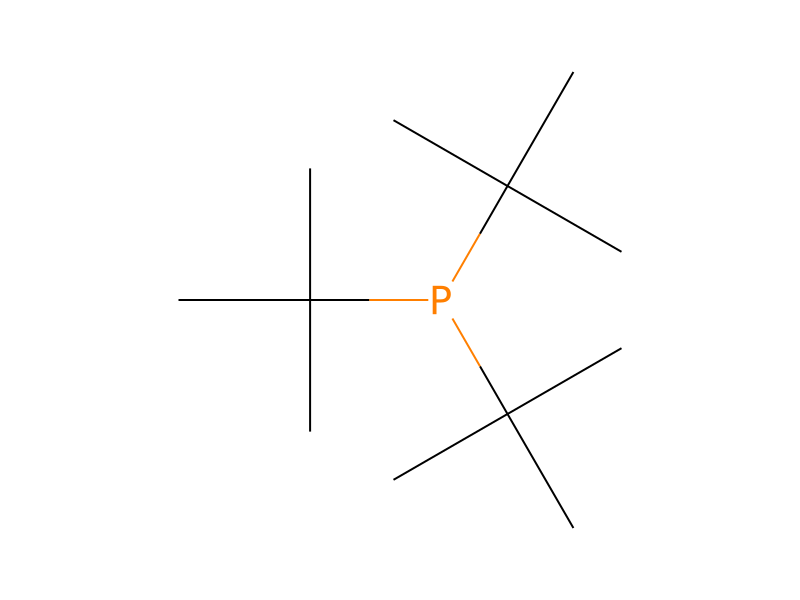
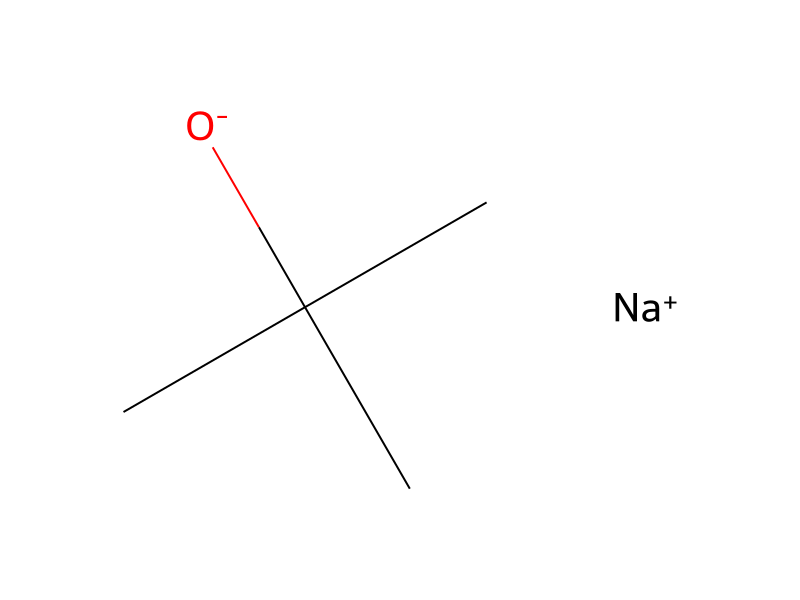
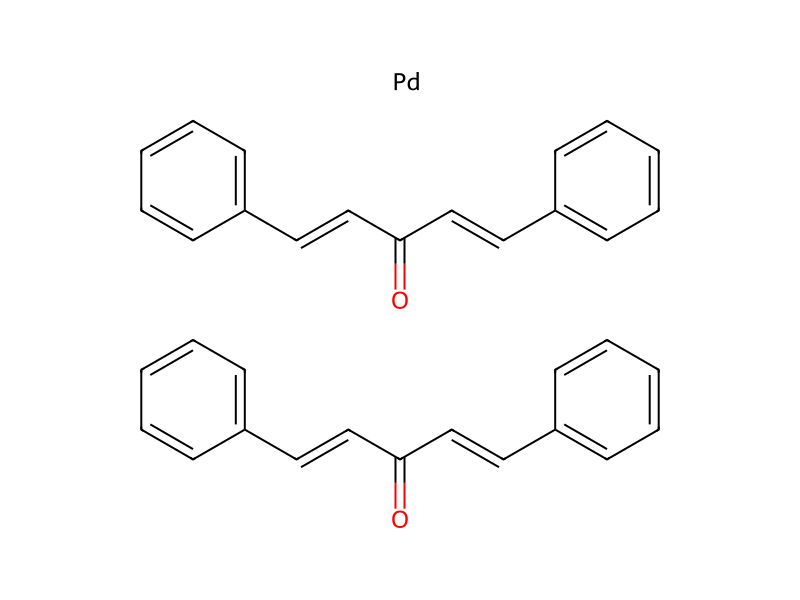
First, 1.5 g (3.7 mmol) of 2-bromo-9,10-diphenylanthracene, which was used in Step 1 of Synthesis Example 5, 610 mg (3.7 mmol) of 9H-carbazole, and 1.5 g (16 mmol) of sodium tert-butoxide were put into a 100 mL three-neck flask, and the air in the flask was replaced with nitrogen. 20 mL of toluene and 0.10 mL of tri(tert-butyl)phosphine (10 wt % hexane solution) were added to this mixture. This mixture was degassed while being stirred under reduced pressure, and after the degassing, 58 mg (0.10 mmol) of bis(dibenzylideneacetone)palladium(0) was added. This mixture was refluxed at 110° C. for 5 hours. After the reflux, this mixture was cooled to room temperature and about 20 mL of toluene was added to this mixture. The mixture was then filtered through alumina, Celite (produced by Wako Pure Chemical Industries, Ltd., Catalog No. 531-16855), and Florisil (produced by Wako Pure Chemical Industries, Ltd., Catalog No. 540-00135). The obtained filtrate was concentrated to give a light-brown oily substance. This oily substance was purified by silica gel column chromatography (a developing solvent was a mixed solvent of hexane:toluene=6:4). The obtained light-yellow solid substance was recrystallized from ethanol, so that 1.7 g of a light-yellow powdered solid was obtained in a yield of 93%. At a pressure of 8.7 Pa and with an argon gas flowing at a flow rate of 3.0 mL/min, 1.6 g of the obtained light-yellow powdered solid substance was heated at 230° C. so as to be sublimated and purified (a train sublimation method). After the sublimation purification, 1.5 g of a light-yellow solid substance was recovered in a yield of 93%. A synthesis scheme of Step 1 is shown in (F-3) given below.
Workup
- customwere put into a 100 mL three-neck flask
- customThis mixture was degassed
- temperatureAfter the reflux, this mixture was cooled to room temperature
- filtrationThe mixture was then filtered through alumina, Celite (produced by Wako Pure Chemical Industries, Ltd., Catalog No. 531-16855), and Florisil (produced by Wako Pure Chemical Industries, Ltd., Catalog No. 540-00135)
- concentrationThe obtained filtrate was concentrated
- customto give a light-brown oily substance
- customThis oily substance was purified by silica gel column chromatography (a developing solvent
- customThe obtained light-yellow solid substance was recrystallized from ethanol, so that 1.7 g of a light-yellow powdered solid
- customwas obtained in a yield of 93%
- temperaturewas heated at 230° C. so as
- custompurified (a train sublimation method)
- customAfter the sublimation purification, 1.5 g of a light-yellow solid substance
- customwas recovered in a yield of 93%
- customA synthesis scheme of Step 1
Sources & evidence
- ORD record
- ord-b732bf49c6b1435989801bf3fcb66070
- Source dataset
- uspto-grants-2013_08
- Patent number
- US08518492B2
Reaction notes
Loading…