Ethyl Acetate → 2-(4-Chlorobenzylthio)benzo[d]oxazol-5-amine
Reaction equation

[Cl:1][C:2]1[CH:21]=[CH:20][C:5]([CH2:6][S:7][C:8]2[O:9][C:10]3[CH:16]=[CH:15][C:14]([N+:17]([O-])=O)=[CH:13][C:11]=3[N:12]=2)=[CH:4][CH:3]=1.[Cl-].[NH4+].C(OCC)(=O)C>C(O)C.O.[Fe]>[Cl:1][C:2]1[CH:21]=[CH:20][C:5]([CH2:6][S:7][C:8]2[O:9][C:10]3[CH:16]=[CH:15][C:14]([NH2:17])=[CH:13][C:11]=3[N:12]=2)=[CH:4][CH:3]=1Participants
6




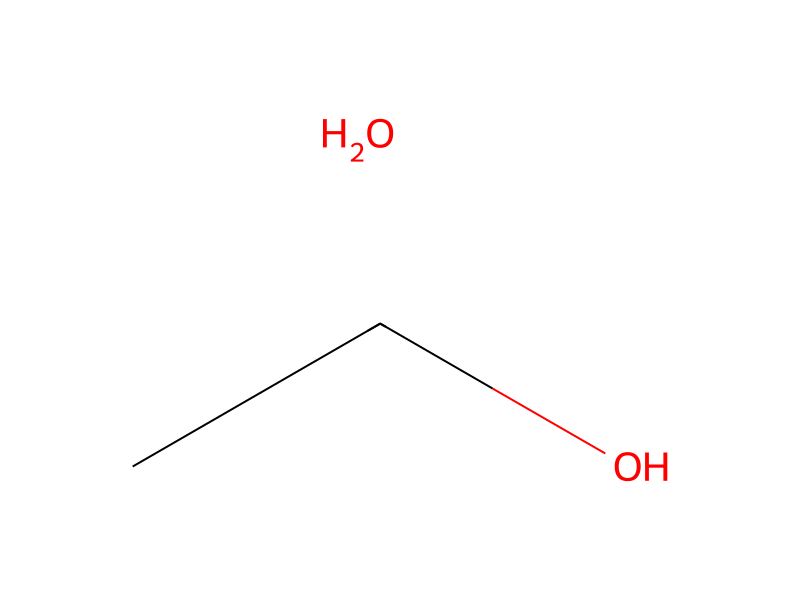
Conditions
- Temperature
- 90 °C
Procedure
To a suspension of 2-(4-chlorobenzylthio)-5-nitrobenzo[d]oxazole (220 mg, 0.70 mmol) in ethanol/water (5 mL/5 mL) at 90° C. was added ammonium chloride (75 mg, 1.4 mmol), followed by iron powder (192 mg, 3.44 mmol). The resulting mixture was stirred for 4 h at 90° C. After cooling, ethyl acetate was added and the solution was passed through a pad of Celite®. The organic layer was then washed with brine, dried over anhydrous MgSO4 and evaporated to afford 190 mg (94%) of the title compound (LCMS RT=6.54 min, MH+ 290.9)
Workup
- temperatureAfter cooling
- washThe organic layer was then washed with brine
- dry with materialdried over anhydrous MgSO4
- customevaporated
Sources & evidence
- ORD record
- ord-f1c078485baf41f3bbd74090b0a9c266
- Source dataset
- uspto-grants-2013_08
- Patent number
- US08518980B2
Reaction notes
Loading…