Hydrochloric Acid → 3-Acetyl-4-chlorobenzene-1-sulfonyl chloride
Reaction equation

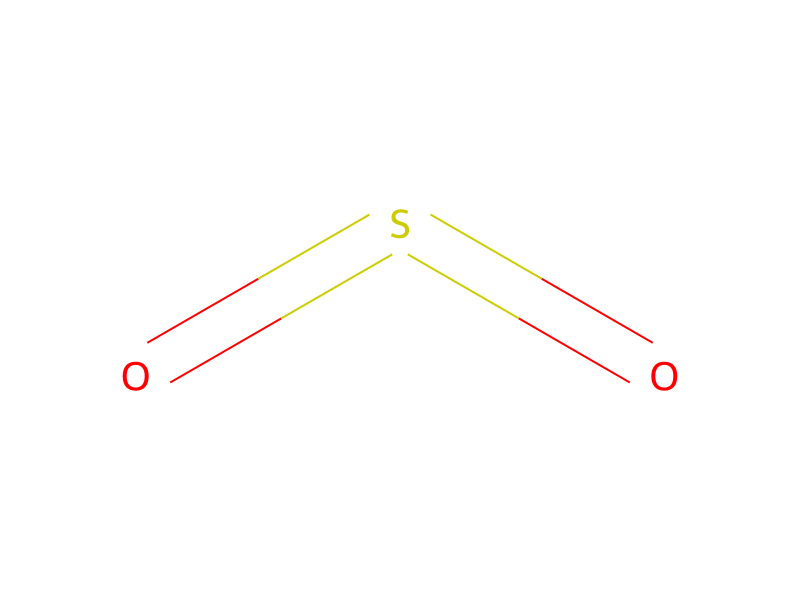
[S:1](=[O:3])=[O:2].N[C:5]1[CH:6]=[CH:7][C:8]([Cl:14])=[C:9]([C:11](=[O:13])[CH3:12])[CH:10]=1.N([O-])=O.[Na+].[ClH:19]>C(O)(=O)C.O.[Cu]Cl>[C:11]([C:9]1[CH:10]=[C:5]([S:1]([Cl:19])(=[O:3])=[O:2])[CH:6]=[CH:7][C:8]=1[Cl:14])(=[O:13])[CH3:12]Participants
8
Reactant 4



Product 1

Reagents, catalysts & solvents 3



Procedure
Amounts used: 8 mL of acetic acid was saturated with sulfur dioxide, 233 mg of copper(I) chloride, 1.60 g (9.41 mmol) of 1-(5-amino-2-chloro-phenyl)-ethanone dissolved in a mixture of 3 mL of acetic acid and 3 mL of concentrated hydrochloric acid, 714 mg of sodium nitrite in 3 mL of water. Flash chromatography on silica using 20-50% ethyl acetate in hexanes afforded 1.6 g of the product as a white solid. LC-MSD, m/z for C8H6Cl2O3S [M+H]+=252.9, 254.9, 256.9;
Sources & evidence
- ORD record
- ord-803999338e0c490b8253818ae26fa05c
- Source dataset
- uspto-grants-2013_08
- Patent number
- US08519135B2
Reaction notes
Loading…