Potassium Carbonate → HCID 23370056, compound
Reaction equation

Br[CH2:2][C:3]([O:5][CH:6]([CH3:8])[CH3:7])=[O:4].[CH3:9][C:10]1[CH:11]=[C:12]([OH:19])[CH:13]=[CH:14][C:15]=1[N+:16]([O-:18])=[O:17].C(=O)([O-])[O-].[K+].[K+]>CC(C)=O>[CH3:9][C:10]1[CH:11]=[C:12]([CH:13]=[CH:14][C:15]=1[N+:16]([O-:18])=[O:17])[O:19][CH2:2][C:3]([O:5][CH:6]([CH3:8])[CH3:7])=[O:4]Participants
5
Reactant 3

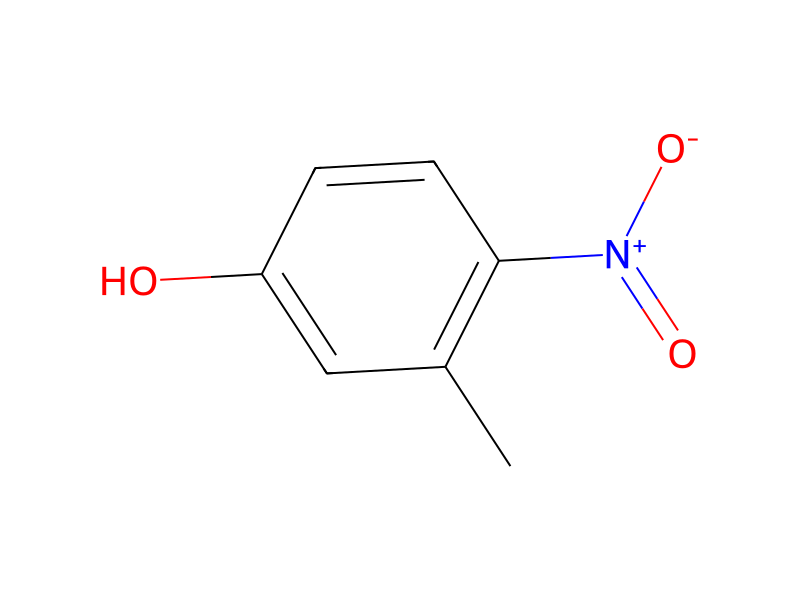

Product 1

Reagents, catalysts & solvents 1

Procedure
In a similar manner to Example 2, starting material step (b), isopropyl bromoacetate (13.9 ml), 3-methyl-4-nitrophenol (15 g), anhydrous potassium carbonate (16.25 g) and acetone (500 ml) were reacted to give isopropyl 3-methyl-4-nitrophenoxyacetate (22.2 g) as an off-white solid: NMR Spectrum (DMSO-d6) 1.22 (6H, d), 2.54 (3H, s), 4.89 (2H, s), 5.00 (1H, m), 6.96 (1H, dd), 7.04 (1H, d), 8.03 (1H, d); Mass Spectrum m/Z 254 (M+H)+.
Workup
- customwere reacted
Sources & evidence
- ORD record
- ord-3220b61377cf46508e34eb83b42b979e
- Source dataset
- uspto-grants-1996_11
- Patent number
- US05576334
Reaction notes
Loading…