Hydrochloric Acid → HCID 9908181, compound
Reaction equation

[CH:1]1[CH:2]=[CH:3][C:4]([C@@H:7]([NH2:24])[C:8]([NH:10][C@@H:11]2[C:18](=[O:19])[N:17]3[C@@H:12]2[CH2:13][CH2:14][C:15]([Cl:23])=[C:16]3[C:20]([OH:22])=[O:21])=[O:9])=[CH:5][CH:6]=1.C[O-].[ClH:27]>C(O)CC>[CH:1]1[CH:2]=[CH:3][C:4]([C@@H:7]([NH2:24])[C:8]([NH:10][C@@H:11]2[C:18](=[O:19])[N:17]3[C@@H:12]2[CH2:13][CH2:14][C:15]([Cl:23])=[C:16]3[C:20]([OH:22])=[O:21])=[O:9])=[CH:5][CH:6]=1.[ClH:27]Participants
4
Reactant 2


Product 1

Reagents, catalysts & solvents 1
Procedure
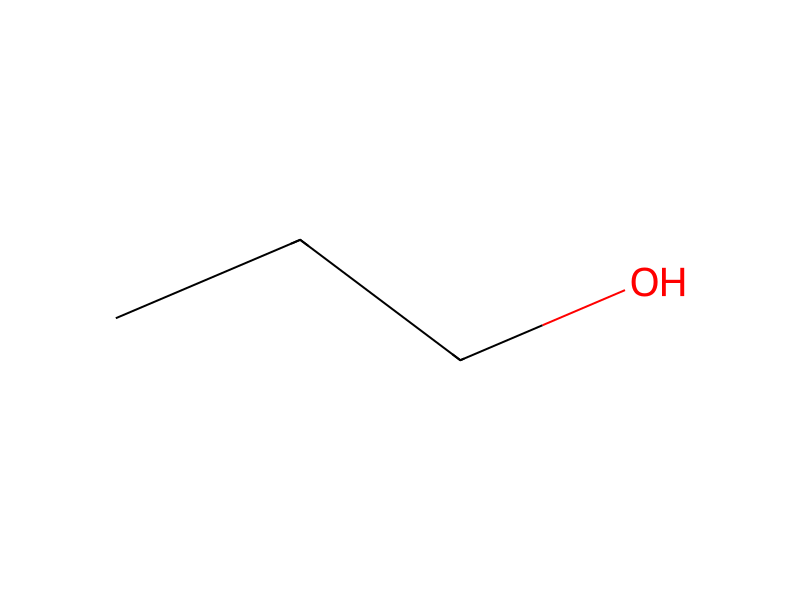
Loracarbef methanolate (5 g) is added to 50 ml of 1-propanol and 1.34 ml of concentrated hydrochloride acid. The solution is stirred at room temperature for approximately 45 minutes and is stripped to solids and placed in the freezer, with large rhomboid crystals formed. The mixture is dried overnight at room temperature in a vacuum oven and the crystals yellowed. The weight yield is 5.16 grams and the X-ray diffraction pattern of the titled product above is as follows:
Workup
- customformed
- customThe mixture is dried overnight at room temperature in a vacuum oven
Sources & evidence
- ORD record
- ord-85d9a4d1655d4beca15d492ea9d0227a
- Source dataset
- uspto-grants-1996_11
- Patent number
- US05578720
Reaction notes
Loading…