Hydrochloric Acid → Piperazine, 1-(4-chlorophenyl)-4-(phenylacetyl)-
Reaction equation

[ClH:1].Cl.Cl[N:4]1[CH2:9][CH2:8][N:7]([C:10]2[CH:15]=[CH:14][CH:13]=[CH:12][CH:11]=2)[CH2:6][CH2:5]1.[OH-].[Na+].[C:18]1([CH2:24][C:25](Cl)=[O:26])[CH:23]=[CH:22][CH:21]=[CH:20][CH:19]=1.Cl>O>[Cl:1][C:13]1[CH:14]=[CH:15][C:10]([N:7]2[CH2:8][CH2:9][N:4]([C:25](=[O:26])[CH2:24][C:18]3[CH:23]=[CH:22][CH:21]=[CH:20][CH:19]=3)[CH2:5][CH2:6]2)=[CH:11][CH:12]=1Participants
6
Reactant 4

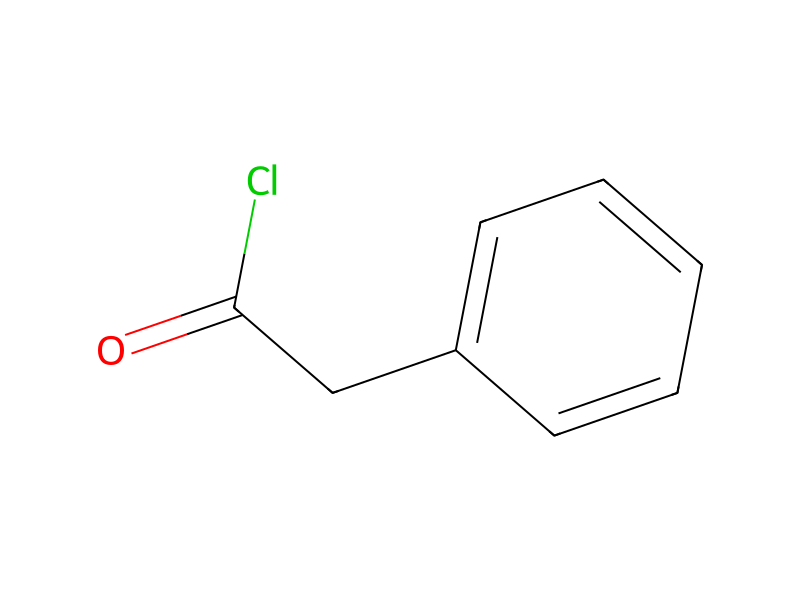


Product 1

Reagents, catalysts & solvents 1

Procedure
To a cold solution of 8.09 g. of p-chlorophenyl piperazine dihydrochloride and 40 ml. of 10% sodium hydroxide in 60 ml. of water was added dropwise with stirring, 4.64 g. of phenylacetyl chloride. The mixture was stirred for one hour, then neutralized with 2 N hydrochloric acid. The solid was collected and recrystallized from ethanol-water, giving 4.2 g. of the desired product, m.p. 93°-94° C.
Workup
- stirringThe mixture was stirred for one hour
- customThe solid was collected
- customrecrystallized from ethanol-water
- customgiving 4.2 g
Sources & evidence
- ORD record
- ord-c6a14796668849198ccbbda51da19870
- Source dataset
- uspto-grants-1984_03
- Patent number
- US04439606
Reaction notes
Loading…