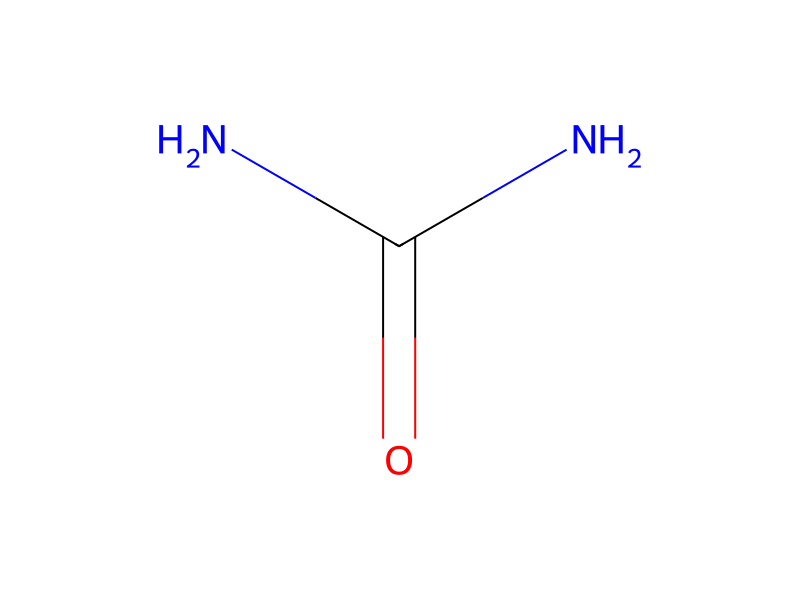
Urea → HCID 14068922, compound
Reaction equation

[N+:1]([C:4]1[CH:5]=[C:6]([C:10]2([C:16]([OH:18])=O)[CH2:12][CH:11]2[C:13](O)=[O:14])[CH:7]=[CH:8][CH:9]=1)([O-:3])=[O:2].[NH2:19]C(N)=O>C1(C)C(C)=CC=CC=1>[N+:1]([C:4]1[CH:5]=[C:6]([C:10]23[CH2:12][CH:11]2[C:13](=[O:14])[NH:19][C:16]3=[O:18])[CH:7]=[CH:8][CH:9]=1)([O-:3])=[O:2]Participants
4
Reactant 2

Product 1

Reagents, catalysts & solvents 1

Conditions
- Temperature
- 150 °C
Procedure
A mixture of 9.8 g of 1-(3-nitrophenyl)-1,2-cyclopropanedicarboxylic acid and 4.9 g of urea in 250 ml of xylene (mixture of isomers) is stirred for about 16 hours at a bath temperature of about 150° C. The xylene is then evaporated off in vacuo and the residue is partitioned between ethyl acetate and water. The organic phases are combined, dried over MgSO4, filtered, and concentrated in vacuo. Recrystallisation from ethyl acetate/petroleum ether gives the title compound (e) in the form of pale yellow crystals with m.p. 173°-174° C. and Rf=0.3 on thin-layer silica gel plates in the system hexane/ethyl acetate (4:6).
Workup
- customThe xylene is then evaporated off in vacuo
- customthe residue is partitioned between ethyl acetate and water
- dry with materialdried over MgSO4
- filtrationfiltered
- concentrationconcentrated in vacuo
- customRecrystallisation from ethyl acetate/petroleum ether
Sources & evidence
- ORD record
- ord-0f562f6ed9194eeaa2d90f7f96525bad
- Source dataset
- uspto-grants-1989_06
- Patent number
- US04839379
Reaction notes
Loading…