p-Chlorophenacyl bromide → HCID 44232240, compound
Reaction equation

[CH3:1][C:2]1([CH3:16])[C:6]([CH3:8])([CH3:7])[O:5][B:4]([C:9]2[CH:10]=[CH:11][C:12]([NH2:15])=[N:13][CH:14]=2)[O:3]1.Br[CH2:18][C:19]([C:21]1[CH:26]=[CH:25][C:24]([Cl:27])=[CH:23][CH:22]=1)=O.C(=O)([O-])O.[Na+]>C(O)CC>[Cl:27][C:24]1[CH:25]=[CH:26][C:21]([C:19]2[N:15]=[C:12]3[CH:11]=[CH:10][C:9]([B:4]4[O:3][C:2]([CH3:16])([CH3:1])[C:6]([CH3:7])([CH3:8])[O:5]4)=[CH:14][N:13]3[CH:18]=2)=[CH:22][CH:23]=1Participants
5




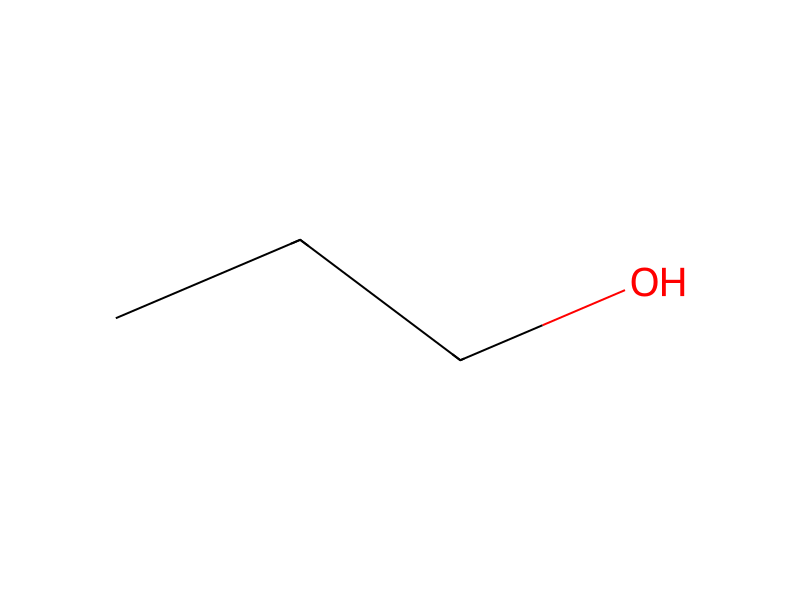
Conditions
- Temperature
- 80 °C
Procedure
2.5 g of 5-(4,4,5,5-tetramethyl-1,3,2-dioxaborolan-2-yl)pyridin-2-ylamine and 2.65 g of 2-bromo-1-(4-chlorophenyl)ethanone in 76 ml of n-propanol are placed in a round-bottomed flask. 1.33 g of sodium hydrogen carbonate are added thereto. The mixture is heated at 80° C. for 16 h. The reaction mixture is left to cool and concentrated under reduced pressure. The residue is taken up between water and ethyl acetate, the organic phase is then separated by settling out and dried over magnesium sulphate, and the solvent is then evaporated off under reduced pressure. 3.75 g of compound are obtained.
Workup
- waitThe reaction mixture is left
- temperatureto cool
- concentrationconcentrated under reduced pressure
- customthe organic phase is then separated
- dry with materialdried over magnesium sulphate
- customthe solvent is then evaporated off under reduced pressure
Sources & evidence
- ORD record
- ord-03b5c7a9540a42bbada3b2eb22bd5671
- Source dataset
- uspto-grants-2013_12
- Patent number
- US08598166B2
Reaction notes
Loading…