Diisopropylamine → 2-Chloro-8-(trifluoromethyl)quinoline-3-carbaldehyde
Reaction equation

C([Li])CCC.C(NC(C)C)(C)C.[Cl:13][C:14]1[CH:23]=[CH:22][C:21]2[C:16](=[C:17]([C:24]([F:27])([F:26])[F:25])[CH:18]=[CH:19][CH:20]=2)[N:15]=1.[CH:28](OCC)=[O:29]>C1COCC1>[Cl:13][C:14]1[C:23]([CH:28]=[O:29])=[CH:22][C:21]2[C:16](=[C:17]([C:24]([F:26])([F:25])[F:27])[CH:18]=[CH:19][CH:20]=2)[N:15]=1Participants

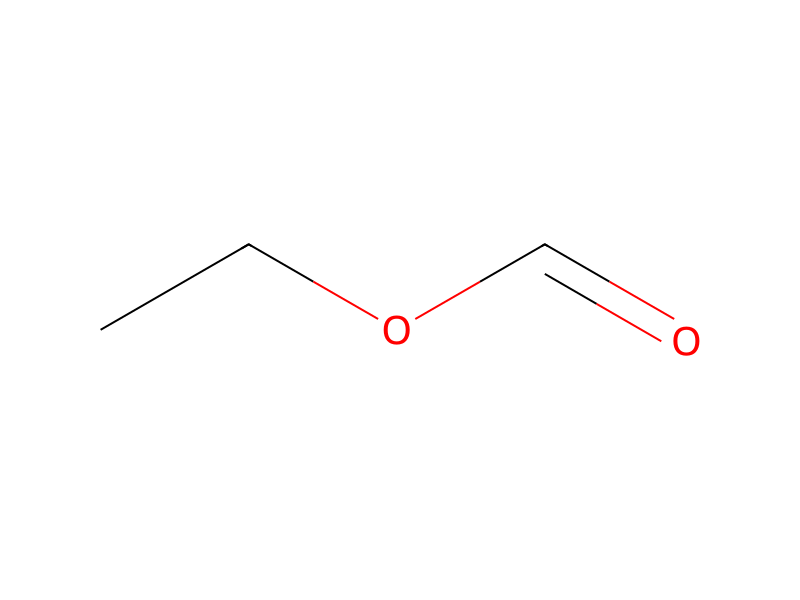




Conditions
- Temperature
- 0 °C
Procedure
To a cold solution of butyllithium (0.498 g, 1.7 mmol) in 2 mL dry THF at −20C. was added diisopropyl amine (0.192 g, 1.9 mmol) drop wise and reaction mixture was allowed to stir at 0° C. for 1 h. then reaction mixture was again cooled to −78° C. and a solution of 2-chloro-8-trifluoromethyl-quinoline (0.4 g, 1.70 mmol) in 4 mL dry THF was added drop wise continued stirring for 5-10 min then added ethyl formate (0.12 g, 1.7 mmol) drop wise, continued stirring for 0.5 h. n-Butyllithium was quenched with ammonium chloride solution and extracted with ether (3×10 mL). The combined organic layers were washed with brine solution, dried over sodium sulfate, concentrated under vacuum to get the crude compound. The crude residue was purified over silica gel (100-200 mesh) using 10% ethyl acetate: petroleum ether to afford the desired compound (0.15 g, 34%).
Workup
- customreaction mixture
- customreaction mixture
- temperaturewas again cooled to −78° C.
- stirringwise continued stirring for 5-10 min
- customwas quenched with ammonium chloride solution
- extractionextracted with ether (3×10 mL)
- washThe combined organic layers were washed with brine solution
- dry with materialdried over sodium sulfate
- concentrationconcentrated under vacuum
- customto get the crude compound
- customThe crude residue was purified over silica gel (100-200 mesh)
Sources & evidence
- ORD record
- ord-10295616d78d4866ab02a75862d5e291
- Source dataset
- uspto-grants-2013_12
- Patent number
- US08604055B2
Reaction notes
Loading…