Carbazole → 1-Phenyl-9H-carbazole
Reaction equation

[CH:1]1[C:13]2[NH:12][C:11]3[C:6](=[CH:7][CH:8]=[CH:9][CH:10]=3)[C:5]=2[CH:4]=[CH:3][CH:2]=1.I[C:15]1[CH:20]=[CH:19][CH:18]=[CH:17][CH:16]=1.C(O[Na])(C)(C)C>C([O-])(=O)C.[Pd+2].C([O-])(=O)C.C1(C)C(C)=CC=CC=1>[C:15]1([C:10]2[C:11]3[NH:12][C:13]4[C:5](=[CH:4][CH:3]=[CH:2][CH:1]=4)[C:6]=3[CH:7]=[CH:8][CH:9]=2)[CH:20]=[CH:19][CH:18]=[CH:17][CH:16]=1Participants
6
Reactant 3

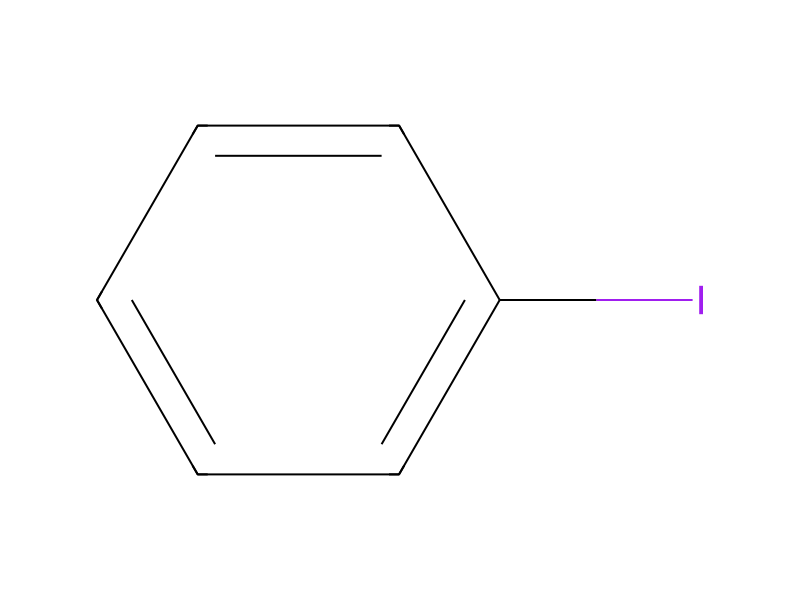

Product 1

Reagents, catalysts & solvents 2


Procedure
In a stream of argon, 670 g of carbazole, 850 kg of iodobenzene, 20 L of xylene, 460 g of t-BuONa, and palladium acetate (Pd(OAc)2) were loaded, and then the mixture was refluxed for 8 hours. Impurities were filtrated, and then the filtrate was concentrated under reduced pressure and washed with hexane. After that, the washed product was dried. As a result, 820 g of phenylcarbazole were obtained as a white powder. A reaction was performed in the same manner as in the synthesis of Intermediate 1-1 except that phenylcarbazole was used instead of 4-bromobiphenyl. As a result, 650 g of a white powder were obtained. The powder was identified as Intermediate 1-11 by FD-MS analysis.
Workup
- temperaturethe mixture was refluxed for 8 hours
- filtrationImpurities were filtrated
- concentrationthe filtrate was concentrated under reduced pressure
- washwashed with hexane
- customAfter that, the washed product was dried
Sources & evidence
- ORD record
- ord-8c7b28f93ed4494695bf1e15247b0dc7
- Source dataset
- uspto-grants-2013_12
- Patent number
- US08614010B2
Reaction notes
Loading…