Ammonia → 2-Bromo-6-(4-chloro-phenyl)-quinoline
Reaction equation

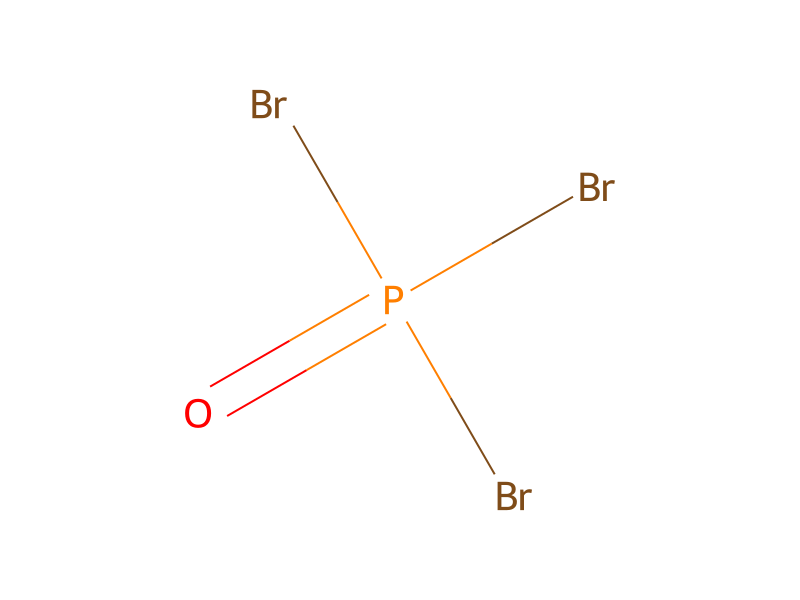
P(Br)(Br)([Br:3])=O.[Cl:6][C:7]1[CH:12]=[CH:11][C:10]([C:13]2[CH:14]=[C:15]3[C:20](=[CH:21][CH:22]=2)[NH:19][C:18](=O)[CH:17]=[CH:16]3)=[CH:9][CH:8]=1.N>>[Br:3][C:18]1[CH:17]=[CH:16][C:15]2[C:20](=[CH:21][CH:22]=[C:13]([C:10]3[CH:11]=[CH:12][C:7]([Cl:6])=[CH:8][CH:9]=3)[CH:14]=2)[N:19]=1Participants
4



Conditions
- Temperature
- 110 °C
Procedure
50 g (0.174 mol) phosphorus oxybromide are heated to 65° C., combined with 10 g (0.039 mol) 6-(4-chloro-phenyl)-1H-quinolin-2-one and heated to 110° C. for 3 h. The reaction mixture is then poured onto ice water and made alkaline with ammonia solution. The precipitate is filtered off and dried in the drying cupboard at 60° C.
Workup
- additionThe reaction mixture is then poured onto ice water
- filtrationThe precipitate is filtered off
- customdried in the drying cupboard at 60° C.
Sources & evidence
- ORD record
- ord-03bc9d1fb16b49b097b3d5102ab1053c
- Source dataset
- uspto-grants-2013_12
- Patent number
- US08618132B2
Reaction notes
Loading…