Ammonia → 5-Iodo-2-pyrrolidin-1-ylmethyl-benzoxazole
Reaction equation

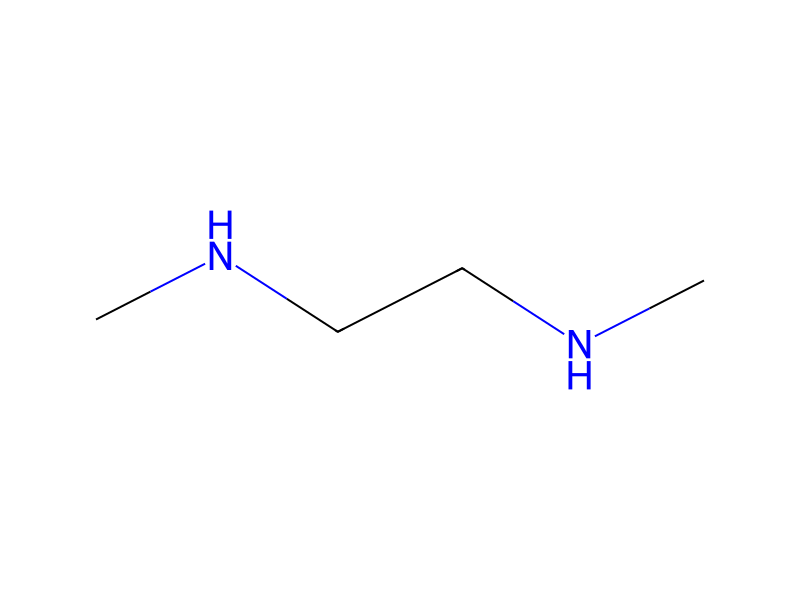
Br[C:2]1[CH:3]=[CH:4][C:5]2[O:9][C:8]([CH2:10][N:11]3[CH2:15][CH2:14][CH2:13][CH2:12]3)=[N:7][C:6]=2[CH:16]=1.[Na+].[I-:18].CNCCNC.N>O.[Cu]I.O1CCOCC1>[I:18][C:2]1[CH:3]=[CH:4][C:5]2[O:9][C:8]([CH2:10][N:11]3[CH2:15][CH2:14][CH2:13][CH2:12]3)=[N:7][C:6]=2[CH:16]=1Participants
8
Reactant 4



Product 1

Reagents, catalysts & solvents 3



Procedure
71 mg (0.36 mmol) CuI, 1 g (3.55 mmol) 5-bromo-2-pyrrolidin-1-ylmethyl-benzoxazole and 1.07 g (7.15 mmol) NaI are successively placed in a flask in an argon atmosphere. Then 0.08 mL (0.73 mmol) N,N′-dimethylethylenediamine and 3.5 mL 1,4-dioxane are added and the reaction mixture is refluxed for 14 h. The reaction mixture is then combined with 20 mL concentrated ammonia solution at RT, diluted with 100 mL water and extracted with DCM. The organic phase is extracted three times with water and dried over Na2SO4.
Workup
- temperaturethe reaction mixture is refluxed for 14 h
- extractionextracted with DCM
- extractionThe organic phase is extracted three times with water
- dry with materialdried over Na2SO4
Sources & evidence
- ORD record
- ord-371121d5ca4b425d830d72f555e13005
- Source dataset
- uspto-grants-2013_12
- Patent number
- US08618132B2
Reaction notes
Loading…