Toluene → Cyclopentanol
Reaction equation

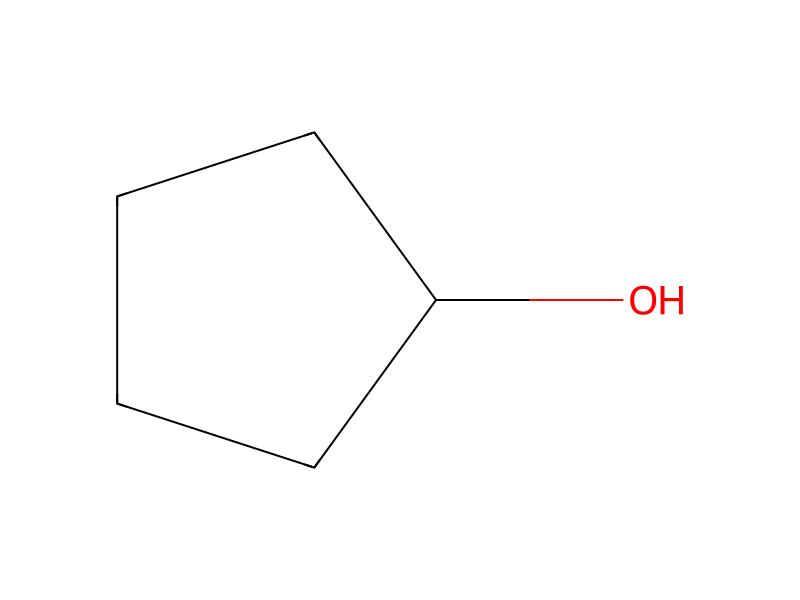
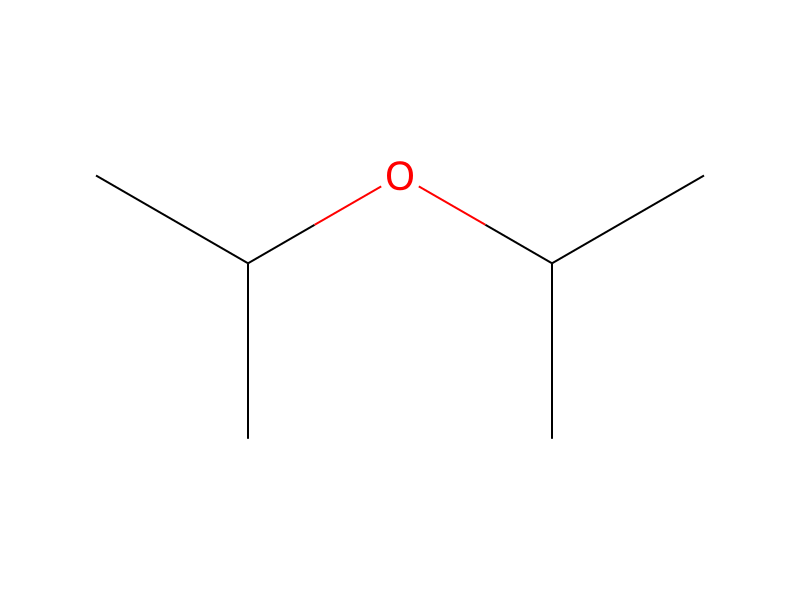
[CH:1]1([OH:6])[CH2:5][CH2:4][CH2:3][CH2:2]1.[C:7]1(C)[CH:12]=CC=C[CH:8]=1>>[CH:1]1([OH:6])[CH2:5][CH2:4][CH2:3][CH2:2]1.[CH:7]([O:6][CH:1]([CH3:2])[CH3:5])([CH3:12])[CH3:8]Participants

Procedure
0.05 mL of the acyl group acceptor cyclopentanol with toluene added to give 2.0 mL, 0.05 mL of the acyl group acceptor cyclopentanol with isopropyl ether added to give 2.0 mL, 0.05 mL of the acyl group acceptor 2-butanol with toluene added to give 2.0 mL, 0.05 mL of the acyl group acceptor 2-butanol with isopropyl ether added to give 2.0 mL, 0.05 mL of the acyl group acceptor 2-propanol with toluene added to give 2.0 mL, and 0.05 mL of the acyl group acceptor 2-propanol with isopropyl ether added to give 2.0 mL were prepared, and 50 mg of each of the enzymes shown in Table 10 and 50 mg of the compound of Formula 13 were added to each of the above and stirred using a stirrer (600 rpm) at room temperature (21° C. to 24° C.) for 19 hours. After the reaction was completed, the immobilized enzyme was removed by filtration using an Ekicrodisc 25CR, and the solution was dried under reduced pressure, dissolved in 1 mL of methanol, and then subjected to analysis by the above-mentioned HPLC method for the compound of Formula 3.
Sources & evidence
- ORD record
- ord-f993ebb337934f849f5aeed5234f7a73
- Source dataset
- uspto-grants-2013_12
- Patent number
- US08618312B2
Reaction notes
Loading…