Hydrochloric Acid → 1-(4-(Oxazol-5-yl)phenyl)guanidine
Reaction equation

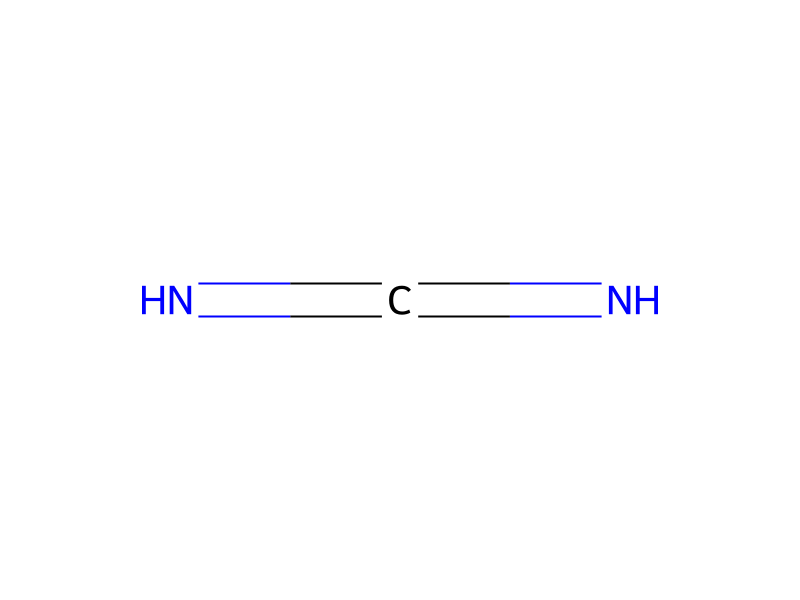
Cl.[O:2]1[C:6]([C:7]2[CH:13]=[CH:12][C:10]([NH2:11])=[CH:9][CH:8]=2)=[CH:5][N:4]=[CH:3]1.[NH:14]=[C:15]=[NH:16].C(=O)([O-])[O-].[K+].[K+]>C(O)C.O>[O:2]1[C:6]([C:7]2[CH:13]=[CH:12][C:10]([NH:11][C:15]([NH2:16])=[NH:14])=[CH:9][CH:8]=2)=[CH:5][N:4]=[CH:3]1Participants
7






Procedure
Hydrochloric acid (4.04 mL, 24.35 mmol) was added to a solution of 4-(oxazol-5-yl)aniline (5 g, 31.22 mmol) and carbodiimide (1.444 g, 34.34 mmol) in ethanol (50 mL). The resulting mixture was heated to reflux for 5 h. The reaction mixture was concentrated under reduced pressure and potassium carbonate (2.59 g, 18.73 mmol) in water (50.00 mL) was added. The formed crystals were filtered off, washed with several portions of potassium carbonate (aq) and dried over night under reduced pressure. The crude solid was slurried in DCM and filtered to give 1-(4-(oxazol-5-yl)phenyl)guanidine (7.00 g, 86%). No further purification. MS (ESI+)/(ESI−) m/z 203/201
Workup
- temperatureThe resulting mixture was heated
- temperatureto reflux for 5 h
- additionwas added
- filtrationThe formed crystals were filtered off
- washwashed with several portions of potassium carbonate (aq)
- customdried over night under reduced pressure
- filtrationfiltered
Sources & evidence
- ORD record
- ord-41d765b166734088b566c550347a5351
- Source dataset
- uspto-grants-2012_05
- Patent number
- US08188101B2
Reaction notes
Loading…