Methacryloyl chloride → HCID 10223066, compound
Reaction equation

[NH2:1][C:2]1[CH:3]=[C:4]2[C:9](=[CH:10][CH:11]=1)[N:8]=[CH:7][C:6]([C:12]#[N:13])=[C:5]2[NH:14][C:15]1[CH:20]=[CH:19][CH:18]=[C:17]([Br:21])[CH:16]=1.[C:22](Cl)(=[O:26])[C:23]([CH3:25])=[CH2:24]>CCN(CC)CC>[Br:21][C:17]1[CH:16]=[C:15]([NH:14][C:5]2[C:4]3[C:9](=[CH:10][CH:11]=[C:2]([NH:1][C:22](=[O:26])[C:23]([CH3:25])=[CH2:24])[CH:3]=3)[N:8]=[CH:7][C:6]=2[C:12]#[N:13])[CH:20]=[CH:19][CH:18]=1Participants
4
Reactant 2
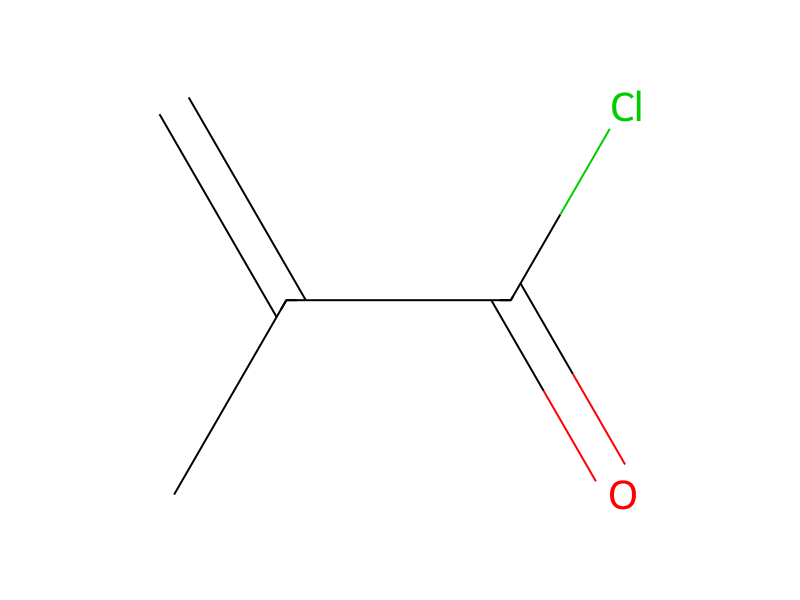

Product 1

Reagents, catalysts & solvents 1

Procedure
Prepared from 0.500 g of 6-amino-4-(3-bromophenylamino)quinoline-3-carbonitrile, 0.194 g of Et3N and 0.202 g of methacryloyl chloride in the same manner as EXAMPLE 380. There was obtained 0.317 g of N-[4-(3-bromophenylamino)-3-cyanoquinolin-6-yl]-2-methylacrylamide as a yellow solid: mass spectrum (electrospray, m/e): M+H 406.8, 408.8.
Sources & evidence
- ORD record
- ord-67c4691bfa7f4ca7a01017fee7834672
- Source dataset
- uspto-grants-2002_05
- Patent number
- US06384051B1
Reaction notes
Loading…