O-Xylene → Zinc 2-ethylhexoate
Reaction equation

[CH2:1]([CH:3]([CH2:7][CH2:8][CH2:9][CH3:10])[C:4]([O-:6])=[O:5])[CH3:2].[Zn+2:11].[CH2:12]([CH:14]([CH2:18][CH2:19][CH2:20][CH3:21])[C:15]([O-:17])=[O:16])[CH3:13].C1(C)C(C)=CC=CC=1>C(OCCCC)(=O)C>[O-2:5].[Zn+2:11].[CH2:12]([CH:14]([CH2:18][CH2:19][CH2:20][CH3:21])[C:15]([O-:17])=[O:16])[CH3:13].[Zn+2:11].[CH2:1]([CH:3]([CH2:7][CH2:8][CH2:9][CH3:10])[C:4]([O-:6])=[O:5])[CH3:2]Participants
5
Reactant 2


Product 2
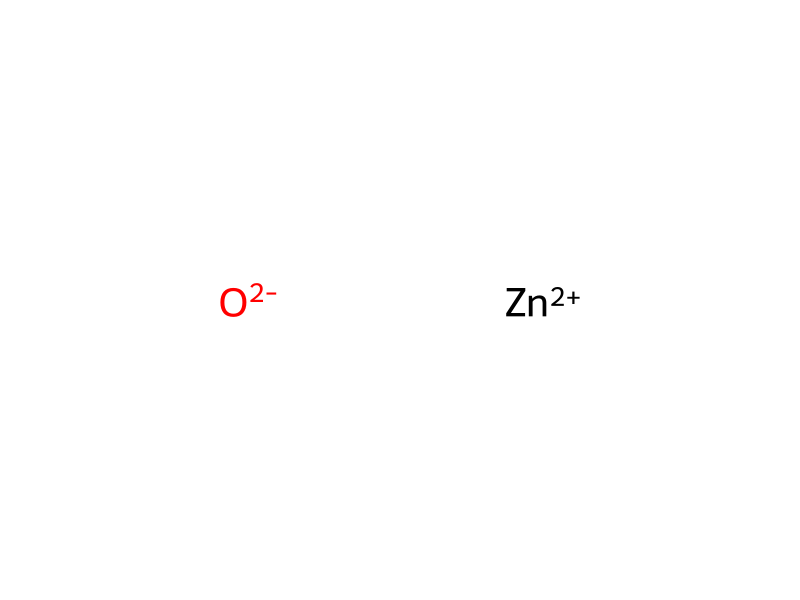
Reagents, catalysts & solvents 1

Procedure
A liquid zinc oxide precursor solution was prepared by mixing zinc 2-ethylhexanoate into a 50/50 (v/v) solvent mixture of xylene and butyl acetate to provide a zinc 2-ethylhexanoate concentration of about 0.1 mol/L. Bismuth 2-ethylhexanoate was added to this mixture under a desiccated atmosphere having less than about 40% humidity in a quantity sufficient to produce bismuth concentrations of 0, 0.5, 1, and 5 mole percent bismuth 2-ethylhexanoate. These bismuth concentrations were determined as the number of moles of bismuth 2-ethylhexanoate divided by the number of moles of bismuth 2-ethylhexanoate plus the number of moles of zinc 2-ethylhexanoate, i.e, bismuth as a percentage of total metals.
Sources & evidence
- ORD record
- ord-e579a22efc21452f8f2cc609d9130ad9
- Source dataset
- uspto-grants-1997_12
- Patent number
- US05699035
Reaction notes
Loading…